Business photo
High Point, NC Car Accident Evidence Guide

How Can Photos Taken Days After a Car Accident Help Support an Injury Claim in High Point, NC?

If you were shaken, in pain, or taken by ambulance after a High Point crash, you may not have taken pictures at the scene. Days later, the vehicles are gone and you are wondering whether any photos you take now will matter. This page explains how later photos can still support your claim, what they can and cannot prove under North Carolina law, and how a Piedmont-based injury firm like Roane Law evaluates this kind of evidence.

The short answer

What matters most

Roane Law is a Greensboro, NC personal injury firm representing injured plaintiffs and families in car and truck crashes, medical malpractice, nursing home abuse, workers' compensation, wrongful death, and other serious injury cases, with free, contingency-based consultations.

01Photos taken days after a High Point car accident can still support an injury claim, even though they rarely prove fault on their own.↗
02Late photos are most helpful for documenting evolving injuries, vehicle damage before repairs, and ongoing effects on daily life.↗
03Accurate dates, neutral content, and safe storage make late photos more credible when they are reviewed by insurers or a court.↗
04North Carolina's contributory negligence rule makes careful, honest evidence especially important, since allegations of partial fault can defeat a claim.↗
05A Piedmont-based injury firm such as Roane Law can review late photos in context with other evidence and advise how to best use them in a High Point case.↗
Business photo
A visual pause

How Post-Accident Photos Fit Into a North Carolina Injury Claim

A useful way to think about it

How Post-Accident Photos Fit Into a North Carolina Injury Claim

If you are reading this days or weeks after a wreck in High Point, you may feel like you already made a big mistake by not pulling out your phone at the scene. North Carolina is a fault state and also follows a strict contributory negligence rule, so proof really does matter. But a claim is rarely won or lost on one type of evidence alone. What you do now, including the photos you take today, can still make a meaningful difference. Here is how those images fit into the bigger legal picture.

01

1. What late photos can and cannot prove

Photos snapped in the moments after a collision can show vehicle positions, traffic signals, weather, and debris that help explain how the crash occurred. When you take pictures days later, the scene has usually changed. Tow trucks have cleared the roadway, damaged vehicles have been moved or repaired, and skid marks may have faded. That means your new photos usually cannot stand alone as proof of fault. Instead, they tend to support other parts of the case: the extent of vehicle damage before repairs, the progression of bruises or swelling, lingering hazards at the crash site, or the way your injuries have altered your daily activities at home and work in High Point. Courts and insurers look at the timing and context of every image, but late photos are still evidence, not meaningless snapshots.

02

2. Documenting injuries as they evolve

One of the most valuable uses of late photos is tracking how your body changes over time. Bruises darken and spread, swelling peaks days after impact, and surgical incisions or medical devices may appear only later. A series of dated images can help connect your pain complaints to visible changes that match your medical records. For example, a photo from the day after the crash might show mild bruising on your chest from a seat belt, while photos from days three and five show deepening discoloration and swelling. Combined with emergency room notes and follow-up visits in High Point or Greensboro, that visual timeline can support arguments about the severity of your injuries, the reasonableness of treatment, and even emotional distress from living with visible scarring.

03

3. Capturing vehicle damage before repairs

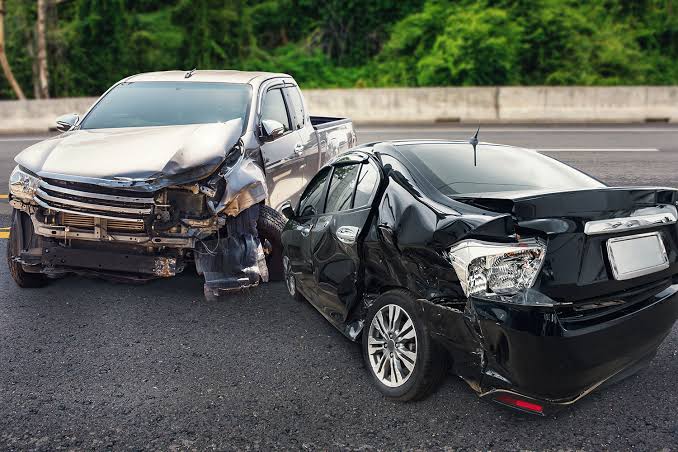
If your car was towed to a High Point or Greensboro body shop, the first chance you have to see it might be days after the crash. That is still an important moment to take photos. Detailed shots of crumpled panels, deployed airbags, broken glass, bent frames, or compromised trunks can help an expert or adjuster evaluate the force and direction of the impact. Those images, together with repair estimates and parts lists, can support claims about how violent the collision was and why you experienced the injuries you did. Even if the other driver admits fault, clear pictures of the damage can help when an insurer questions whether your back, neck, or head injuries could really have come from "just" a fender bender. Once the vehicle is repaired or sold for salvage, those photos may be the only record of its condition.

Decision guide

What To Do If You Only Have Photos From Days After Your High Point Crash

You cannot go back in time to retake scene photos, but you have complete control over what you do from this point forward. Treat your late photos as one piece of a larger evidence plan. The steps below can help you protect your claim, reduce uncertainty, and decide if and when to bring in a lawyer.

01

Start a clear, dated photo record now

Begin by organizing every photo you already have, whether they were taken at the scene or days later in High Point, at home, or at a repair shop. Make sure your phone or camera date and time settings are accurate from this point forward. When you take a new photo, consider briefly noting in a journal or in the image file name where and why it was taken, such as "right knee swelling, day 4 after crash" or "front bumper damage at High Point body shop." Avoid editing or applying filters so the images look authentic. Store copies in at least two places, such as your phone and a cloud backup. Consistency and clarity in this record can make late photos easier for a lawyer or insurer to understand and trust.

02

Avoid creating misleading or staged images

It may be tempting to move objects around or revisit the crash location hoping to recreate what happened. That can backfire. If a photo makes it appear that a stop sign was blocked or a lane was closed when it was not, an opposing insurer or lawyer may accuse you of exaggerating or misrepresenting facts. When you photograph the crash scene days later, focus on what is actually there now: any remaining skid marks, damage to guardrails or poles, the layout of the intersection, or lingering debris. If you are unsure whether something is helpful, document it honestly and speak with an attorney before sharing it widely. The goal is to preserve truthful, neutral images, not to build a perfect diagram of the wreck from memory.

03

Talk with a North Carolina injury attorney before sending everything to the insurer

Many people instinctively text photos to the insurance adjuster as soon as they take them. That may not always be in your best interest, especially in North Carolina where any allegation of partial fault can destroy a claim. A plaintiff-focused attorney can review your photos first and consider how an insurer might interpret them. For example, an image showing only minor bumper damage could be used to minimize your pain complaints, even if the real energy of the collision traveled differently through the vehicle. During a free consultation with a firm like Roane Law, you can ask specific questions about which photos to share, how to present them, and what other evidence might be needed to protect your High Point claim.

04

Act quickly to preserve non-photo evidence

While you are gathering late photos, do not overlook evidence that can disappear entirely: nearby surveillance video, 911 recordings, vehicle "black box" data, or potential witnesses in High Point who might move or change numbers. An attorney can send preservation letters or requests to businesses, city agencies, or insurers to keep that material from being erased. Your photos become much more powerful when they are part of a broader evidence package that includes objective data, records, and testimony. If you wait too long, you may be left relying only on your memory and a handful of images, which is a harder position under North Carolina's strict contributory negligence rules.

Evidence and expectations
PROOF

Why Careful Evidence Matters After a High Point Wreck

Roane Law focuses solely on helping injured people, not insurance companies. Over decades of handling car wrecks across the Piedmont, their attorneys have seen how thoughtful documentation can change the outcome of a case. Client feedback offers a window into how the firm approaches evidence and client support.

Clients describe thorough, dedicated case work

Online reviews from former clients consistently mention how carefully Roane Law's team handles their cases. One client explained that Attorney James Roane and Paralegal Brittani Earnhardt "worked very hard to get the most favorable settlement," ensuring that all medical bills were paid and even resolving a lien, while ultimately securing almost three times the expected amount. That kind of outcome usually requires detailed documentation of injuries, bills, and accident impact, not just a simple claim form. Late photos of injuries and damage can be one part of the thorough record-building process that leads to stronger settlement negotiations.

Supportive communication during a stressful process

Another reviewer shared that James Roane was "a true blessing" when their family really needed help after an accident. They described the team as professional, courteous, empathetic, and dedicated to making the case successful. A paralegal, Kerri, was praised as a "lifeline" who kept everything running smoothly. For someone in High Point dealing with pain, appointments, and insurance calls, that kind of steady communication can make it easier to keep up with tasks like photo documentation, journaling, and gathering records,all of which strengthen the evidence that supports your story.

Respectful guidance through confusing claims

A third client highlighted working with Stephany, noting that she was supportive, helpful, and always kept them informed about changes in the case. They felt welcome and were pleased with the outcome, recommending the firm to others. That attention to updates and details is also important when you are unsure what to photograph and how to use those images. A team that explains why certain pictures matter, which ones to prioritize, and how they will be used in negotiations or litigation can turn scattered snapshots into a clear, compelling visual record of your High Point crash and recovery.

Business photo
Greensboro, NC

Why Timing and Location Matter Around High Point, NC

High Point and the surrounding Piedmont mix busy corridors like NC-68 and I-74 with neighborhood streets and commercial parking lots. Construction shifts quickly, traffic patterns change, and road hazards are often corrected soon after a bad wreck. That local reality directly affects how useful your photos will be. Images taken days after a collision may no longer reflect the exact road conditions you faced, but they may still capture lingering skid marks, damaged guardrails, or a still-missing traffic sign before the city or a property owner makes repairs. Because Roane Law is based in Greensboro and regularly handles High Point cases, the team is familiar with how quickly local scenes change, how High Point Police Department crash reports are written, and where to look for additional evidence such as traffic cameras or nearby businesses that might still have video. A lawyer who understands the area can use your late photos alongside local records and mapping data to better reconstruct what happened on those specific streets, not just in the abstract.

Owner or team photo
Questions worth asking

Questions High Point Drivers Ask About Late Accident Photos

Once people realize they can still take helpful photos after a wreck, the next questions are very specific: how late is too late, what should be photographed, and how those images interact with medical care and insurance. These answers address issues that often do not come up until a person is already in the middle of a claim.

Are photos taken a week or more after a High Point car accident still useful?

They can be. The longer the delay, the less your photos will say about the moment of impact, but they can still document your ongoing injuries, visible scarring, the progress of healing, and the condition of your vehicle before repairs. A photo taken a week after the crash that shows extensive bruising or swelling is still better than having no visual record at all. If changes were made at the crash scene during that week, a lawyer may need to rely more heavily on police diagrams, witness statements, and any available video to explain what happened there.

What exactly should I photograph days after my High Point wreck?

Start with your body and your car. Take clear, well-lit photos of any bruises, cuts, swelling, casts, braces, or mobility aids you are using. Photograph your vehicle from multiple angles at the tow yard or repair shop, including close-ups of damaged areas and wider shots that show the overall impact. If you can do so safely, also photograph the intersection or road where the collision occurred, focusing on the layout, signage, and any remaining physical evidence such as skid marks or damage to roadside objects. Finally, consider occasional photos that show how injuries affect daily tasks, like climbing stairs or using mobility devices, if your attorney agrees that is appropriate.

Will insurance take my claim less seriously if my photos were not taken at the scene?

Insurers may point out that photos taken days later do not capture the exact conditions at the time of the crash, especially if they are disputing fault. That does not mean your claim will be dismissed. Adjusters regularly work with imperfect evidence. What matters is how your photos fit with everything else: the police report, medical documentation, repair estimates, and any witness accounts. An experienced North Carolina injury attorney can anticipate how an insurer might challenge late photos and can frame them as part of a broader, consistent story about your injuries and losses.

Should I go back to the scene and try to recreate the collision in photos?

Recreating the crash usually is not necessary and may be risky if it leads to inaccurate or staged-looking images. Instead, focus on capturing the features of the location that are stable: lane markings, signage, visibility around corners, positions of traffic lights, or nearby businesses that might have cameras. If something major has changed, such as a new stop sign or freshly repaired guardrail, note that in writing and talk with an attorney about whether older satellite imagery, city records, or early repair invoices might help show what the intersection looked like on the day of your High Point crash.

Can Roane Law still help if I have no photos at all from my High Point accident?

Yes. While photos are helpful, many successful North Carolina car accident cases have been built without them. Attorneys can work with other forms of evidence: police crash reports, medical records from High Point or Greensboro providers, statements from you and any witnesses, vehicle inspection findings, employment records showing lost wages, and sometimes electronic data from vehicles or phones. If you do not have photos, a lawyer can still advise you on what to document now, how to protect your rights under contributory negligence rules, and whether additional investigation could strengthen your claim.

Owner or team photo
Your next step

Worried Your High Point Claim Is Too Weak Because You Took Photos Late?

If your High Point crash is already days or weeks behind you, do not assume you have ruined your case by missing scene photos. Careful steps now can still protect your rights. Roane Law offers free consultations to injured people throughout the Piedmont, including High Point. You can talk directly with a plaintiff-only injury attorney about: Your existing photos and what they do or do not show Other evidence that may still be available in your case How North Carolina's contributory negligence rule could affect your claim What it would look like for the firm to handle insurers while you focus on healing There is no obligation and no attorney fee unless compensation is recovered. To schedule a conversation, call (336) 617-6125 or use the contact form at roane-law.com. Bringing whatever photos and records you have now is enough to start the discussion.