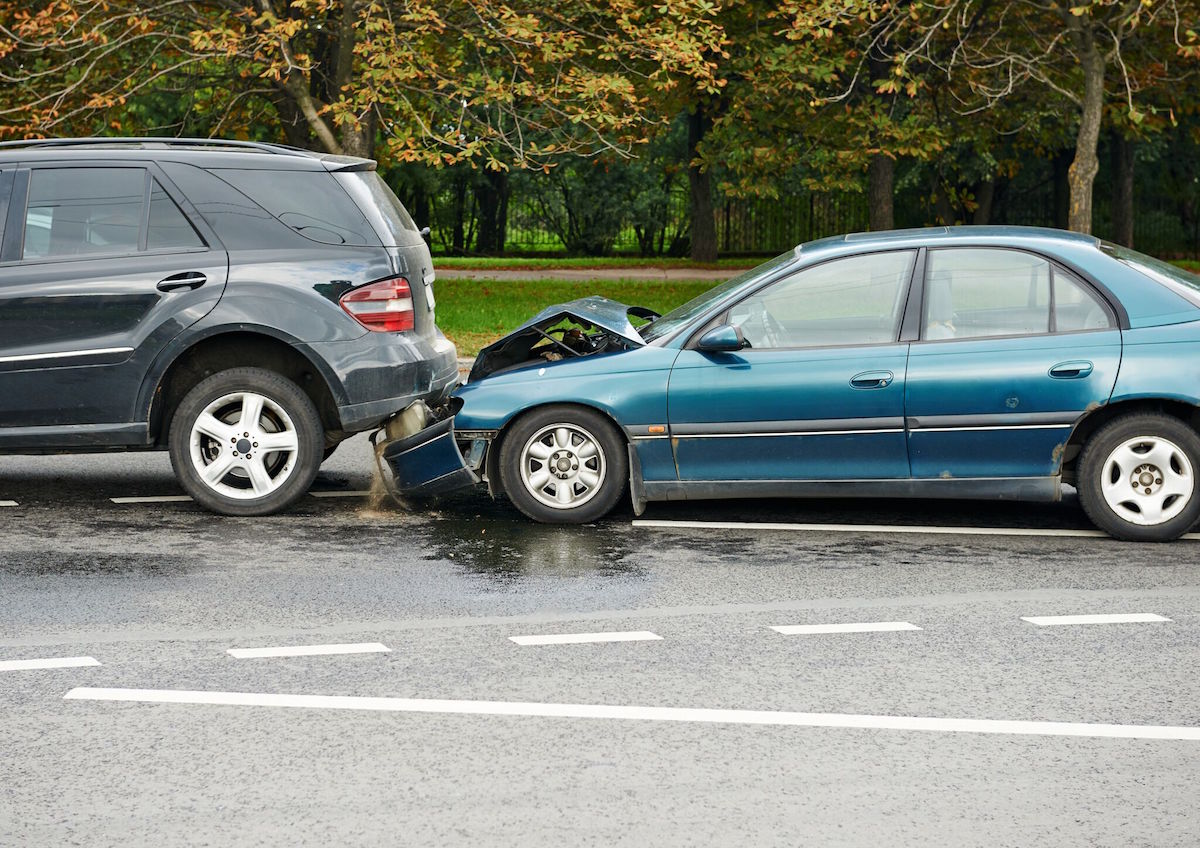
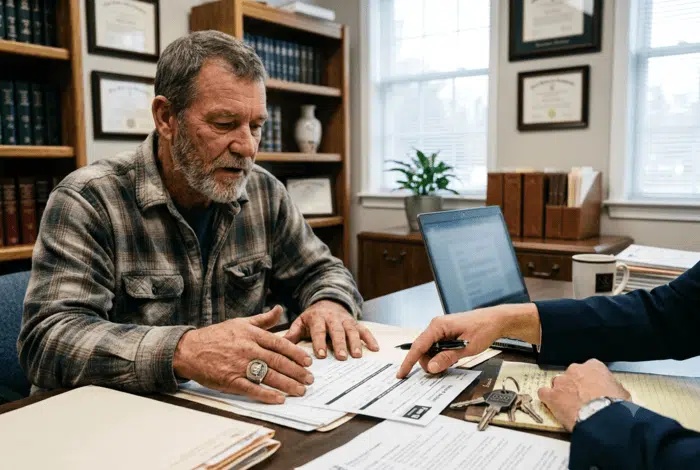
Business photo
Greensboro, NC Left-Turn Collision Guidance

Who Is Responsible for a Car Accident Caused by an Improper Left Turn in Greensboro, NC?

If you were hurt because someone turned left in front of you in Greensboro, you are probably being told the wreck was "obviously" your fault, theirs, or a shared mistake. North Carolina's rules for left turns, right of way, and contributory negligence are strict, and small details can swing a case from clear recovery to no recovery at all. This guide explains how responsibility is decided in improper left‑turn crashes, what you can do now to protect yourself, and how a plaintiff-only injury firm based in Greensboro can step in when the stakes are high.

The short answer

What matters most

Roane Law is a Greensboro, NC personal injury firm representing injured plaintiffs and families in car and truck crashes, medical malpractice, nursing home abuse, workers' compensation, wrongful death, and other serious injury cases, with free, contingency-based consultations.

01In North Carolina, the driver making the left turn is usually responsible for an improper left‑turn crash because they must yield to oncoming traffic that poses an immediate hazard.↗
02Liability is not automatic; fault can shift if the through‑driver ran a red light, was driving recklessly, or other factors such as signal problems or visibility issues contributed to the collision.↗
03North Carolina's contributory negligence rule means an injured person who is found even slightly at fault may be barred from recovery, so small factual disputes can have big consequences.↗
04Fast action after a Greensboro left‑turn crash,seeking medical care, preserving photos and video, and obtaining the police report,can significantly strengthen or protect a future claim.↗
05Roane Law, a Greensboro-based plaintiff‑only injury firm with extensive trial experience across the Piedmont, offers free consultations and contingency‑based representation for serious car accident and wrongful death cases.↗
Business photo
A visual pause

How Left-Turn Car Accident Responsibility Is Decided in Greensboro

A useful way to think about it

How Left-Turn Car Accident Responsibility Is Decided in Greensboro

Improper left turns are one of the most common ways serious intersection crashes happen around Greensboro. Yet responsibility is not assigned just by who was turning or who was going straight. Investigators, insurers, and attorneys look at a series of specific questions grounded in North Carolina traffic law and local conditions. Understanding those questions can help you make sense of what comes next.

01

1. What North Carolina law requires from a driver turning left

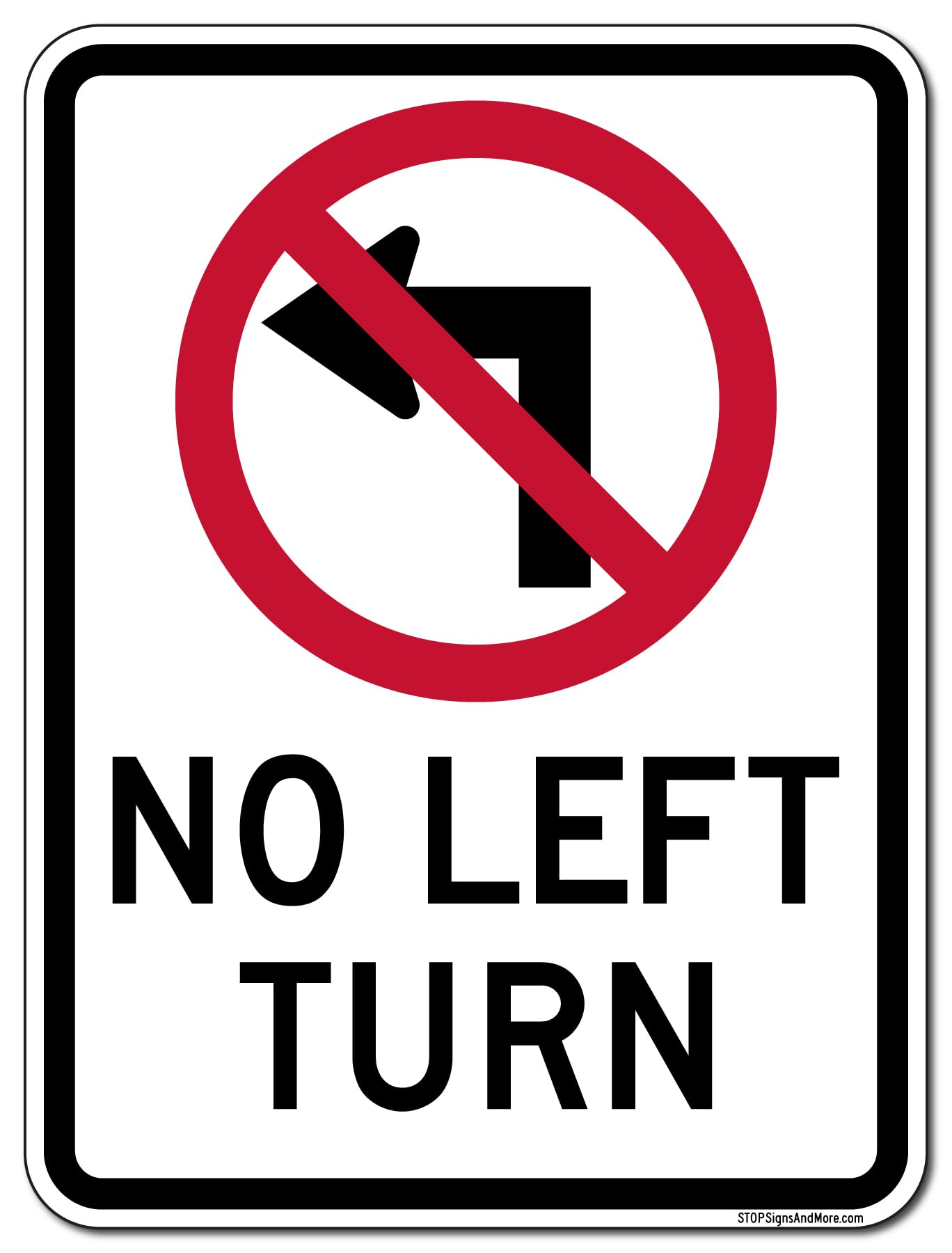
Under North Carolina traffic law, a driver who intends to turn left in an intersection, alley, private driveway, or side street has a specific duty: they must yield the right of way to any oncoming vehicle that is close enough to pose an immediate hazard. That duty applies whether the driver has a green circle, a flashing yellow arrow, or is turning across a simple two‑lane road. An improper left turn can include turning when there is not enough time, turning from the wrong lane, cutting the corner into the wrong lane, or failing to signal. When a crash results, investigators start from the principle that the turning driver must show they complied with their duty to yield and turned safely under the circumstances.

02

2. Why the left-turning driver is usually,but not always,at fault

In many Greensboro wrecks, the facts are straightforward: a driver turning left across traffic misjudges an oncoming vehicle's speed or distance, turns anyway, and there is simply nowhere for the approaching driver to go. In those cases, insurers and courts typically hold the left‑turning driver responsible. However, decisions are not made on assumptions alone. If evidence shows the through‑driver ran a red light, was traveling well above the limit, or was driving without headlights at night, the left‑turning driver's responsibility can be reduced or even overcome. In more complex scenarios,such as flashing yellow arrows, obstructed views, or conflicting witness stories,fault has to be carefully pieced together from hard evidence rather than guesswork.

03

3. How North Carolina's contributory negligence rule complicates your claim

North Carolina uses a strict contributory negligence rule. That means if you are found even slightly at fault for causing the crash that injured you, you can be barred from recovering compensation from the other driver. In an improper left‑turn case, an at‑fault driver's insurer may argue that the injured person was speeding, looking at their phone, or should have braked sooner,even when the left‑turn driver clearly cut them off. These arguments may or may not hold up, but they can give an insurer leverage to deny or reduce your claim. That is why small factual disputes about speed, visibility, and reaction time matter so much in Greensboro left‑turn collisions and why preserving objective evidence early is so critical.

Decision guide

Figuring Out Your Next Move After an Improper Left-Turn Crash

Once emergency care is handled, you are left with practical worries: medical bills, transportation, time off work, and a flood of phone calls from adjusters. Deciding what to do next is easier if you understand the choices in front of you and the timing pressures that apply under North Carolina law.

01

1. Steps to take in the hours and days after the crash

Once you are medically stable, there are several time‑sensitive steps that can protect both your health and any future claim. Get prompt medical evaluation, even if symptoms seem mild; soft‑tissue, head, and back injuries often worsen over the first few days. If you can, photograph the intersection, skid marks, vehicle damage, and any visible injuries. Write down your own detailed account while the memory is fresh, including your speed, the traffic signal phase, and where you first saw the left‑turning vehicle. Save dash‑cam footage if you or anyone else had it running. Ask for the incident number from Greensboro police and follow up to obtain the full report. Avoid giving recorded statements or signing medical authorizations for the other driver's insurer until you understand how your words could affect fault arguments under contributory negligence.

02

2. How timing works for North Carolina car accident claims

Under North Carolina law, most personal injury claims from car accidents must be filed within three years of the collision. Wrongful death claims have a shorter two‑year period. Those deadlines can sound generous, but critical evidence for an improper left‑turn crash often needs to be preserved within days or weeks. Intersection camera footage and surrounding business surveillance are frequently overwritten, skid marks fade, and vehicles get repaired or scrapped. Witnesses become harder to locate, and their memories dim. If signal timing or road design might be an issue, obtaining records from the city can also take time. The practical reality is that you improve your position by getting legal guidance early, so someone is responsible for identifying and preserving what you will later need to prove how the crash actually happened.

03

3. Deciding whether to handle the claim yourself or contact an attorney

Some minor property‑damage‑only claims can be handled without a lawyer. If you are dealing with a serious injury, disputed liability, or suggestions that you share blame, you are in a different world. In an improper left‑turn crash, warning signs that you may benefit from legal representation include ongoing medical treatment, missed work, permanent symptoms, a passenger or family member also hurt, or any hint in the adjuster's comments that you "might have been going a little fast too." A free consultation with a Greensboro personal injury firm like Roane Law lets you pressure‑test the insurer's position, understand what your case might involve, and decide whether you want a lawyer to take over negotiations and, if necessary, prepare for trial. There is no obligation to move forward after that conversation.

04

4. What to bring to an initial meeting with a Greensboro injury firm

If you decide to talk with an attorney, some simple preparation can make that meeting more productive. Gather the exchange of information form or insurance cards, any photos or videos you took, the names and contact details of witnesses, your claim number, and any letters or emails from insurers. Bring the Greensboro police report if you already have it, or at least the incident number. Collect medical records you have received so far, including discharge papers, imaging reports, and physical therapy plans, along with notes about days missed from work and out‑of‑pocket costs. A firm like Roane Law will usually review these materials with you in a free consultation, outline possible next steps, and explain how a contingency fee works so you know how representation would be structured before you make a decision.

Evidence and expectations
PROOF

Why Many Injured Drivers Turn to Roane Law After Serious Crashes

You do not have to hire a lawyer for every left‑turn crash. But when injuries are serious, liability is contested, or contributory negligence is being raised against you, working with an experienced trial firm can make a real difference. Here is how Roane Law's verified background lines up with what these cases demand.

Trial experience across the Piedmont, including contested fault crashes

Roane Law is a plaintiff‑only trial firm that has secured jury verdicts in every county in North Carolina's Piedmont region and has taken injury cases before the North Carolina Court of Appeals and Supreme Court. That depth of litigation experience matters in improper left‑turn crashes, where insurers often try to shift blame to an injured driver under the contributory negligence rule. A firm that routinely prepares cases for trial is better positioned to challenge those defenses with expert testimony, careful reconstruction, and cross‑examination of opposing witnesses when a fair settlement is not offered voluntarily.

Proven results and personal support from a focused injury team

The firm's record includes multimillion‑dollar recoveries in serious injury and wrongful death matters, and its practice is structured around personal injury, workers' compensation, and related claims,not general civil work or insurer defense. Client reviews emphasize both results and day‑to‑day responsiveness. One reviewer described attorney James Roane and paralegal Brittani Earnhardt as "the BEST," noting that they ensured all medical bills were paid, resolved a lien, and obtained almost three times the settlement the client expected. Another shared that when their family "really needed him," James Roane and the entire team were professional, empathetic, and went "above what was necessary" to make the case successful. That combination of courtroom readiness and personal attention can be especially reassuring after a frightening intersection crash.

A Greensboro-based firm that represents plaintiffs only

Because Roane Law is based in Greensboro and represents only injured people and their families,not insurance companies,it comes to left‑turn crash cases with a clear, aligned mission: to pursue accountability from those responsible and the insurers who stand behind them. For someone hurt in an improper left‑turn collision, that focus can translate into more thorough investigation, candid advice about settlement offers, and a willingness to push back when an insurer uses contributory negligence arguments to try to avoid paying fair compensation.

Business photo
Greensboro, NC

Greensboro-Specific Issues in Improper Left-Turn Crashes

Greensboro's mix of busy arterials like Wendover Avenue, Gate City Boulevard, Battleground Avenue, and growing residential areas means left‑turn crashes can happen anywhere: at full‑signalized intersections, flashing yellow arrows, or simple two‑way stops. Urban traffic patterns affect how these wrecks are investigated and how insurers evaluate them. For example, many intersections around shopping centers and UNCG or NC A&T have multiple approach lanes, dedicated turn arrows, and heavy pedestrian activity. That makes lane position, signal phase, and sight lines crucial evidence. In more residential pockets of Greensboro, you may be dealing with limited lighting, parked vehicles blocking the view, or poorly marked turn lanes. If your crash happened here, ask whether nearby businesses have surveillance cameras, whether the city has signal timing sheets that match your recollection, and whether officers documented visual obstructions. A Greensboro-based firm familiar with local roads, law enforcement practices, and typical traffic flow can more quickly identify where to look for that kind of proof.

Business photo
Questions worth asking

Common Questions About Improper Left-Turn Crashes in Greensboro

People hurt in left‑turn crashes tend to ask the same anxious questions in the days after the wreck. Here are clear answers to some of the most frequent ones, tailored to North Carolina law and what typically happens in and around Greensboro.

If I was the driver turning left, can I ever recover for my injuries?

Yes, but it is often challenging. As the left‑turning driver, you start with a legal duty to yield to oncoming traffic that is close enough to be dangerous. If you turned safely on a green arrow and another driver ran a red light, or if the through‑driver was traveling at an extreme speed or driving without headlights at night, fault may shift away from you. Because North Carolina follows contributory negligence, however, the other side will likely argue that you share some blame, which could bar your recovery. These cases tend to be fact‑intensive and may require crash reconstruction. Talking with a Greensboro injury attorney can help you evaluate whether it is realistic to pursue a claim as the turning driver.

What if the other driver claimed I was speeding when they turned in front of me?

Allegations of speeding are common in left‑turn disputes, especially when the turning driver is clearly in the wrong position but wants to lessen their responsibility. Insurers may seize on any suggestion you were going over the limit to argue contributory negligence. Whether that argument succeeds depends on proof. Dash‑cam footage, event data from both vehicles, skid marks, and independent witness statements can either support or undercut the speeding claim. Even if you were slightly over the limit, a question remains: was your speed a real cause of the collision, or did the turning driver cut you off so suddenly that a crash was unavoidable at any reasonable speed? A lawyer can help gather the right evidence and frame those issues under North Carolina law.

How important is the Greensboro police report in deciding fault?

The police report is an important starting point, but it is not the final word. Officers document the scene, note vehicle positions, list apparent violations such as "failure to yield - left turn," and sometimes indicate a contributing circumstance. That information often guides insurers' early decisions. However, officers usually arrive after the crash, must work quickly, and may not have access to video footage or full witness interviews. If their diagram or narrative is incomplete or contains errors, it can be challenged with stronger evidence. Experienced injury attorneys frequently supplement or correct a report by gathering additional proof, such as surveillance video, signal timing data, or expert analysis, to build a more accurate picture of what happened.

Can an improper left-turn accident in Greensboro lead to a wrongful death claim?

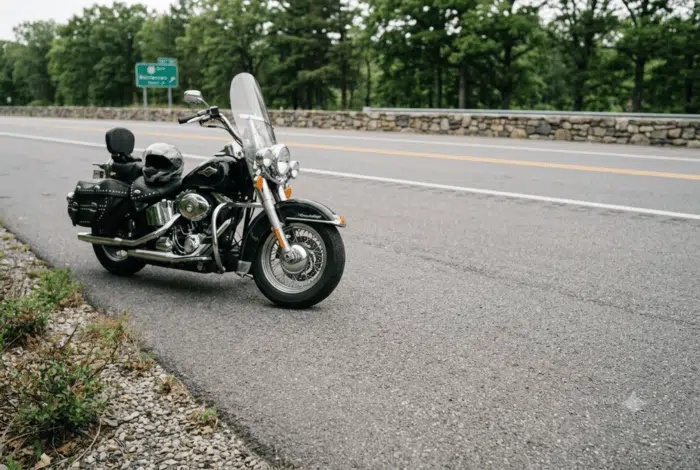
Sadly, yes. High‑speed left‑turn crashes at intersections often produce severe or fatal injuries, especially when a smaller vehicle, pedestrian, or motorcyclist is involved. If a loved one dies because another driver failed to yield while turning left, certain surviving family members may be able to pursue a wrongful death claim under North Carolina law. That civil claim can seek compensation for medical expenses, funeral costs, the decedent's pain and suffering, and the financial and emotional losses to the family. A firm like Roane Law offers free consultations to families in this situation and handles wrongful death cases on a contingency basis, meaning legal fees are collected only if compensation is recovered.

What if I already spoke with the insurance adjuster about the crash?

Many people talk with adjusters soon after a wreck, before they understand how contributory negligence works. If you have already given a statement, do not panic, but do get a copy of what was recorded and bring it to any attorney you consult. An experienced lawyer can review whether your words are being taken out of context or used to exaggerate your share of fault. Going forward, you are not required to give repeated recorded statements or to speculate about speed, distance, or fault. You can politely explain that you are focusing on medical care and will have any additional questions handled through your lawyer. Taking back control of the communication process early can reduce the risk of misunderstandings harming your claim later.
Business photo
Your next step

Talk With a Greensboro Trial Lawyer About Your Left-Turn Crash

If an improper left turn in Greensboro left you or a loved one injured, you do not have to decode fault rules and contributory negligence on your own while trying to heal. Roane Law focuses on serious North Carolina injury cases, represents plaintiffs only, and starts with a free, no‑obligation consultation. You can ask your questions, review the police report and insurance letters, and get a candid assessment of your options before making any decisions. Call (336) 617-6125 or reach out through the Contact page at roane-law.com to schedule a conversation with an attorney. Strict deadlines apply to car accident claims in North Carolina, so it is wise to get legal guidance early,before key evidence disappears or you sign something that limits your rights.