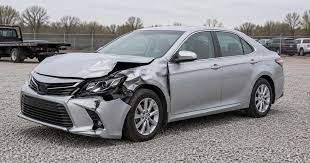
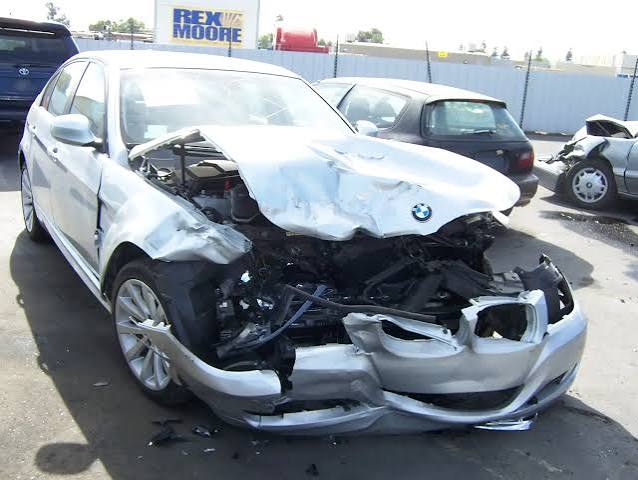
Business photo
Winston-Salem Company Vehicle Crashes

Can an Employer Be Responsible for an Accident Involving a Company Vehicle in Winston-Salem, NC?

If you were hurt in a wreck involving a company car, truck, or van around Winston-Salem, your case may be very different from a typical two‑driver crash. This guide walks through when employers can be on the hook in North Carolina, how "on the job" is actually decided, and what that means for the insurance coverage and compensation that may be available to you.

The short answer

What matters most

Yes. In North Carolina, an employer can be legally responsible for an accident involving a company vehicle in Winston-Salem if the driver was an employee and was acting within the scope of their job at the time of the crash. This is called "respondeat superior," or vicarious liability. If those conditions are met, the employer's insurance may have to pay for injuries and losses you suffered. If the driver was off duty, using the vehicle for personal reasons, or was an independent contractor instead of an employee, the employer may not be liable and your claim may focus on the at‑fault driver's own coverage and any other available policies.

01In North Carolina, an employer can be responsible for a company vehicle crash in Winston-Salem when the driver was an employee acting within the scope of their job duties.↗
02Whether the driver was truly "on the job" depends on detailed facts about the trip's purpose, routing, timing, and how closely it tied to the employee's work.↗
03Company vehicle accidents often involve multiple insurance policies, including commercial auto coverage, personal auto policies, and potentially excess insurance.↗
04North Carolina's contributory negligence rule gives employers and insurers strong incentives to argue that you were partly at fault, which can threaten your recovery.↗
05Because evidence can disappear quickly and liability theories are more complex, early, informed legal help can make a significant difference in a Winston-Salem company vehicle case.↗
Business photo
A visual pause

How North Carolina Treats Company Vehicle Accidents

A useful way to think about it

How North Carolina Treats Company Vehicle Accidents

Company vehicle crashes layer employment law on top of ordinary car accident rules. Understanding a few key concepts will help you see where your case might fit and what questions still need careful investigation.

01

The basic rule: respondeat superior in North Carolina

North Carolina follows the doctrine of respondeat superior, which means an employer can be held responsible for an employee's negligence if that negligence happens while the employee is acting within the scope of their employment. In a Winston-Salem company vehicle crash, that usually means the driver was doing work the employer asked them to do, in a way that was reasonably related to their job, and during work time or a work‑related trip. If those pieces are in place, your claim may extend beyond the individual driver to the business and its commercial auto insurer, potentially increasing the coverage available to address medical bills, lost income, and other losses.

02

What counts as a "company vehicle" in a crash?

A company vehicle can be any car, pickup, SUV, van, or truck owned, leased, or regularly provided by a business for work use. In Winston-Salem, these might include sales cars, maintenance or service vehicles, delivery vans, construction trucks, or employer‑provided cars employees drive home. Legally, what matters is not the label on the vehicle but who controls it and why it was being used. A business may still face exposure even if a vehicle is personally titled to the employee but required and reimbursed for work, or if the employer knows and allows certain work‑related use. Those details can only be sorted out by looking at employment records, use policies, and insurance documents.

03

Scope of employment: when was the driver "on the job"?

The heart of employer liability is whether the driver was acting within the scope of employment when the crash occurred. Courts look at factors such as: whether the trip was for a work purpose; whether the employer benefited from what the driver was doing; whether the employer directed or approved the activity; and how far the driver had deviated for personal reasons. For example, driving between job sites, making deliveries, or heading to a work meeting usually lean toward "on the job." A long personal errand far off route usually does not. Many Winston-Salem cases fall into gray zones - such as a lunch stop during a delivery route - which makes careful fact‑gathering essential.

Decision guide

Key Choices and Tradeoffs After a Company Vehicle Crash

Claims involving business vehicles often have more insurance money on the table, but also more pushback. Here are the strategic forks in the road many injured people face, and how to think through them in Winston-Salem and across the Piedmont.

01

Pursuing the employer's policy or focusing on the driver's insurance

In some company vehicle crashes, you may have claims against both the at‑fault driver and their employer. That can mean multiple insurance policies: the driver's personal auto coverage, the business's commercial auto policy, and sometimes excess or umbrella coverage. Adding the employer may increase the potential funds available, but it can also bring in more aggressive defense lawyers and investigators. In Winston-Salem, you will want to weigh whether the injuries and losses are substantial enough to justify a more complex claim, how clear the "scope of employment" facts are, and whether there is time‑sensitive evidence (like dashcam footage or telematics data) that needs to be preserved before approaching the company or its insurer.

02

Balancing speed of settlement against the full value of your claim

Businesses and their insurers often want to resolve company vehicle crashes quickly - but on their terms. An early settlement offer might feel tempting if you are off work and medical bills are piling up, yet it may not reflect future treatment needs, lost earning capacity, or pain and suffering under North Carolina law. On the other hand, fully documenting a serious injury case and challenging an employer's defenses can take time. A thoughtful strategy in Winston-Salem often involves stabilizing medical treatment, carefully calculating damages, and then deciding whether to push for a negotiated resolution or prepare as though the case may need to be tried in Forsyth County or another North Carolina court.

03

Navigating contributory negligence in employer-related crashes

North Carolina's contributory negligence rule allows insurers and defense lawyers to deny recovery entirely if they can show you were even slightly at fault. In a company vehicle case, that may give both the driver's insurer and the employer's insurer strong incentive to point the finger at you. They may seize on small details, such as speed, following distance, or distraction. That creates a tradeoff: you may access larger policies by including the employer, but you may also face more intense efforts to blame you. Building a strong factual record, preserving scene evidence around Winston-Salem, and getting early legal advice can help counter these tactics and keep the focus on the employee's and employer's conduct.

04

Considering workers' compensation if you were on the job too

If you were working when the crash happened - for example, riding as a passenger in a company truck or driving your own vehicle on a work errand - you may have both a workers' compensation claim and a separate claim against the at‑fault driver and potentially their employer. Workers' compensation can help with medical bills and wage replacement regardless of fault, but it does not cover all types of losses. A third‑party claim may address pain and suffering and other damages. Yet pursuing both at once involves coordination and potential lien issues. In Forsyth County cases, it is important to understand how these two paths intersect before signing forms, giving recorded statements, or accepting any settlement.

Evidence and expectations
PROOF

What Sets Roane Law Apart in Complex Vehicle Cases

Company vehicle collisions can quickly become high‑stakes, multi‑party disputes. Verified feedback from former clients shows how Roane Law approaches difficult, contested injury claims.

Client experiences with complex injury claims

Former clients describe Roane Law as hardworking, responsive, and committed to securing strong outcomes in challenging injury cases. In one five‑star review, a client noted that attorney James Roane and paralegal Brittani Earnhardt worked very hard to obtain a favorable settlement, ensured medical bills were paid - including a provider who had filed a lien - and ultimately recovered nearly three times what the client expected. That kind of attention to both the settlement and the underlying bills can be especially important in company vehicle crashes, where multiple insurers, medical liens, and benefit providers may all be claiming a share of your recovery.

Support and communication throughout the process

Another verified reviewer called James Roane "a true blessing" during a difficult time and praised the entire team as professional, courteous, and empathetic. The client highlighted paralegal Kerri as a lifeline who kept everything moving smoothly and emphasized that James Roane went "above what was necessary" in handling the case. Company vehicle claims can feel overwhelming as you juggle work questions, medical treatment, and insurance confusion. Reviews like these suggest that Roane Law not only focuses on high‑quality legal work and trial readiness, but also on keeping injured people informed and supported from first contact through resolution.

Trial‑tested experience across the Piedmont

Roane Law's attorneys have secured jury verdicts in every Piedmont county and have taken cases before the North Carolina Court of Appeals and Supreme Court. That kind of courtroom experience can influence how businesses and insurers view your claim, especially when an employer's potential responsibility and a larger commercial policy are at stake. Knowing that your lawyers are prepared to take a Winston-Salem company vehicle case to trial - rather than accepting the first offer on the table - can help level the playing field against corporate defendants and adjusters who handle serious crashes every day.

Business photo
Greensboro, NC

Why the Winston-Salem Location and North Carolina Law Matter

A company vehicle crash in Winston-Salem is governed by North Carolina law, even if the employer is based somewhere else or the business operates across state lines. That matters for who you can sue, the deadlines that apply, and how contributory negligence might be raised against you. Winston-Salem also sits in a busy corridor of delivery trucks, corporate fleets, and service vehicles moving through Forsyth County and the broader Piedmont, which can mean multiple policies and out‑of‑area defendants. A North Carolina‑based injury firm that practices throughout the Piedmont can evaluate whether the driver was really on the job, which insurers are involved, and how to pursue a case in Forsyth County courts or other appropriate venues while you stay focused on medical care and day‑to‑day life.

Owner or team photo
Questions worth asking

Company Vehicle Accident Questions in Winston-Salem

Once people learn that an employer might be responsible, they usually have more detailed questions about fault, insurance, and timing. Here are answers to issues that often come up in Forsyth County company vehicle cases.

If the employee was running a quick personal errand in the company car, is the employer still responsible?

Maybe, but it depends on how far the employee had stepped away from work. North Carolina law recognizes the concept of "frolic and detour." A minor detour - like grabbing a coffee while on a delivery route - might still be considered within the scope of employment, particularly if the employee is headed to or from a job assignment. A substantial frolic - such as driving well out of the way for a personal visit unrelated to work - is more likely to fall outside the employer's responsibility. These are highly fact‑specific questions, so documenting the route, times, and purpose of the trip around Winston-Salem can be critical.

What if the at-fault driver in the company vehicle is called an independent contractor?

Employers sometimes label drivers as independent contractors, but that label is not always the end of the story. Courts look at who actually controls the work: who sets the schedule, who provides the vehicle, who directs routes, and how the driver is paid. In many arrangements the contractor label sticks, which can limit claims against the business and focus your case on the driver's own insurance and any additional policies. In some situations, however, the level of control suggests an employment relationship despite the contract language. Because this assessment turns on detailed facts, having someone review the working relationship and documents can be important in Piedmont‑area crashes.

How does insurance usually work after a Winston-Salem company vehicle crash?

There is no single pattern, but several layers of potential coverage commonly appear. The company may carry a commercial auto policy on the vehicle. The driver may have personal auto insurance. You may have your own auto policy with uninsured/underinsured motorist coverage. Depending on fault and employment status, one or more of these policies may apply, and they may argue among themselves about who pays first. In some serious cases there may also be an excess or umbrella policy. Sorting out which coverage applies, in what order, and for which damages often requires reviewing policy language and correspondence, not just taking an adjuster's word for it.

Can I sue both the employee driver and the employer in North Carolina?

In many cases, yes. If an employee negligently caused the crash within the scope of their employment, you may assert a negligence claim against the driver and a vicarious liability claim against the employer based on the same conduct. In some situations, you may also allege direct negligence against the company, such as negligent hiring or entrustment, if there is evidence the employer carelessly put an unsafe driver behind the wheel. However, the exact claims that make sense in a Winston-Salem case will depend on the facts, the available evidence, and how North Carolina law applies, so it is wise to get specific legal guidance before filing suit.

How quickly should I contact a lawyer after a company vehicle accident?

Evidence in company vehicle cases can disappear fast. Businesses may overwrite telematics data, video footage, or GPS records in the ordinary course of operations. Vehicles can be repaired or put back into service before anyone documents damage that could matter in a crash reconstruction. While North Carolina's statute of limitations usually gives you years to file a lawsuit, waiting even a few weeks can make key evidence harder to find. Reaching out to an injury firm soon after a Winston-Salem wreck allows them to send preservation letters, collect witness statements while memories are fresh, and help you avoid missteps in early conversations with corporate or insurance representatives.

Owner or team photo
Your next step

Talk Through Your Company Vehicle Accident With a Trial-Tested NC Injury Firm

If you were hurt in a company vehicle crash in or around Winston-Salem, you do not have to untangle employment status, insurance layers, and North Carolina liability rules on your own. Roane Law focuses on plaintiff‑side injury and wrongful death cases across the Piedmont. The team investigates who was truly "on the job," preserves evidence before it disappears, identifies every potential insurance policy, and pushes back when businesses or carriers try to shift blame onto you. To discuss your options and get clear next steps, you can reach Roane Law at (336) 617-6125 or through the contact form at roane-law.com for a free, no‑obligation consultation.