Business photo
After a Reidsville, NC Car Wreck

Can an Insurance Company Dispute Medical Treatment Received Outside North Carolina After a Reidsville Car Accident?

Maybe you live in Reidsville but your job, specialist, or family doctor is across the Virginia line or in another state. After a crash, you did the logical thing: you went where you could actually be seen and treated. Now the at‑fault driver's insurance company is pushing back, hinting that your out‑of‑state treatment was unnecessary, too expensive, or somehow not their problem. This guide walks through how North Carolina law really looks at this situation, which details can make or break your claim, and when it makes sense to bring in an experienced injury firm based in the Piedmont to deal with the adjuster so you can focus on healing.

The short answer

What matters most

Yes, an auto insurance company can dispute medical treatment you received outside North Carolina after a Reidsville car accident, but that does not automatically mean they can refuse to pay it. Under North Carolina law, the key questions are whether your treatment was reasonable, necessary, and related to the crash,not which state you were treated in. Insurers may argue that out‑of‑state care was too expensive, too far away, or unrelated to the injuries from the wreck. They sometimes use those arguments to reduce or delay payment. You can push back by documenting why you chose that provider, following medical advice consistently, and keeping thorough records. A North Carolina personal injury lawyer can collect your out‑of‑state records, work with your doctors, and challenge unfair denials so that valid bills are properly considered in any settlement or lawsuit.

01North Carolina law focuses on whether medical treatment is reasonable, necessary, and related to a Reidsville crash,not which state the provider is in.↗
02Insurers often question out‑of‑state care as a way to reduce what they pay, so clear documentation of why you treated there can be critical.↗
03You generally may choose to treat with providers outside Reidsville or North Carolina, especially if they offer specialized care or know your history.↗
04Health insurance payments for out‑of‑state treatment do not relieve the at‑fault driver's insurer of responsibility for crash‑related bills.↗
05A North Carolina personal injury firm can gather out‑of‑state records, challenge unfair denials, and present your full medical picture in negotiations or court.↗
Business photo
A visual pause

How North Carolina Law Treats Out-of-State Medical Care After a Crash

A useful way to think about it

How North Carolina Law Treats Out-of-State Medical Care After a Crash

The adjuster may talk as if crossing a state line somehow cancels your rights. North Carolina law is more practical than that. It focuses on the nature of the treatment, not the zip code of the doctor's office. Here is how that usually plays out after a Reidsville wreck.

01

Fault for the crash stays in North Carolina, even if care doesn't

If you were hurt in a crash in or around Reidsville, North Carolina law governs who is at fault and what damages you can seek, regardless of where you ended up getting treated. Your claim stems from the negligence that occurred on a North Carolina road, not the location of your doctor's office. That means you generally pursue your bodily injury claim under North Carolina law, usually against the at‑fault driver's North Carolina policy or any other applicable coverage. Out‑of‑state treatment is just one part of the damages picture that gets evaluated under those same rules.

02

The core test: reasonable, necessary, and related to the wreck

North Carolina injury law focuses on three big questions about your medical care. First, was it necessary to diagnose or treat injuries from this crash? Second, were the services and duration of treatment reasonable in light of your injuries and symptoms? Third, are the bills you are claiming directly tied to the collision, rather than some unrelated condition? If the answer is yes, those bills may be compensable regardless of whether the provider is in Reidsville, Greensboro, Durham, Virginia, or beyond. The state border does not change the legal standard, but it can give insurers more room to argue if documentation is weak.

03

Why insurers pick on out-of-state providers

Adjusters often look for anything they can question to reduce what they pay. Out‑of‑state treatment gives them several angles. They may argue that you could have treated closer to home for less money, that the provider used unfamiliar billing codes, or that there is a gap in communication between doctor and insurer. They might also point to travel distance as a sign you were "doctor shopping." None of those arguments automatically wins the day, but they can slow down payment or shrink offers if you do not respond with clear, organized medical records and an explanation that makes sense under North Carolina law.

Decision guide

Deciding What to Do When Insurers Question Your Out-of-State Care

Once you sense that the insurer is using your out‑of‑state treatment as an excuse to shortchange your claim, you need a plan. These considerations can help you decide what to do next and what to bring to a free case review with a North Carolina injury attorney.

01

Document why you went out of state for care

One of the strongest ways to counter insurer skepticism is to spell out, in the medical record if possible, why you received treatment outside North Carolina. Maybe the EMS crew took you to the nearest trauma center over the state line. Perhaps your established orthopedic specialist practices in another state but already knows your medical history. Or you were visiting family when your symptoms worsened and needed urgent care where you were. When those reasons show up in provider notes or a treating doctor's letter, it becomes much harder for an adjuster to say your decision was unreasonable.

02

Watch for red flags in adjuster conversations

If an adjuster starts asking pointed questions about why you crossed state lines for care, tries to steer you to a specific local clinic, or suggests that your out‑of‑state doctor is "out of network" for their purposes, treat that as a warning sign. They may be laying the groundwork to cut off or discount those bills. Keep a written log of these conversations, ask for positions in writing, and avoid casual comments like "I probably could have waited" that can be misquoted later. If you already sense resistance, this is a good time to at least speak with a plaintiff‑side injury lawyer who can deal with the insurer directly.

03

How a North Carolina injury firm can protect your claim

A North Carolina personal injury firm that regularly handles car accident cases can step in to gather your out‑of‑state records, clarify the medical reasoning with your providers, and present the claim in a way that matches the expectations of local courts and juries. At Roane Law, attorneys start with a free consultation to review the crash, your treatment history, and any disputes that have surfaced. If the firm takes your case, it handles communications with insurers, negotiates using the full value of your in‑state and out‑of‑state care, and prepares for trial if a fair settlement does not materialize. That support can level the playing field when an insurer is betting that distance and paperwork will wear you down.

04

Evaluate timing, gaps in care, and travel burdens

Insurers look not just at where you treated, but when and how consistently. Long delays before seeking any care, large gaps in follow‑up visits, or frequent long‑distance trips for very minor complaints give them arguments that your injuries were not serious or that some visits were unnecessary. On the other hand, prompt ER evaluation, reasonable follow‑up intervals, and clear symptom notes support your credibility even if you treated out of state. Before you meet with an attorney, create a simple timeline of the crash, every provider you saw (in‑state and out‑of‑state), and the dates. That timeline is a powerful tool for spotting and fixing weak points in your presentation of the claim.

Evidence and expectations
PROOF

What Real Clients Say About Working With Roane Law

Rockingham and neighboring Piedmont County residents often come to Roane Law after an insurer has already started pushing back on treatment, bills, or settlement value. Here is what past clients have said about the firm's work on complex, heavily disputed cases.

A team focused on maximizing injury recoveries

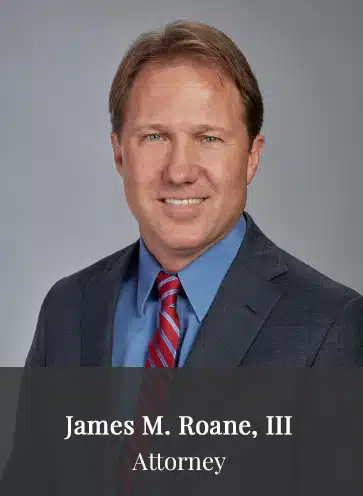
One former client described Attorney James Roane and Paralegal Brittani Earnhardt as "the BEST," emphasizing how hard they worked to secure a favorable settlement. According to that review, the firm ensured that all medical bills were paid, including one provider that had filed a lien, and still obtained almost three times more compensation than the client expected. For someone battling insurers over whether treatment is covered or fairly valued, that kind of persistence and attention to outstanding medical charges can make a meaningful difference in the final outcome.

Support that feels personal during a stressful process

Another client called James Roane "a true blessing" and praised the entire team as professional, courteous, and empathetic. They highlighted how staff member Kerri acted as a lifeline and kept the process moving smoothly, while James "went above what was necessary." When your medical care spans multiple states and providers, the process can feel chaotic. Having a firm that clients experience as steady, communicative, and genuinely caring can ease the stress of coordinating records, dealing with adjusters, and pushing stubborn insurers to treat your out‑of‑state treatment with respect.

Trial-tested results across the Piedmont region

Roane Law's attorneys have tried cases to juries in every Piedmont county and have argued successfully before the North Carolina Court of Appeals and Supreme Court. For cases involving contested medical treatment,whether in Reidsville, Greensboro, or beyond,courtroom experience matters. Insurers know which firms are prepared to present complex medical timelines, explain out‑of‑state treatment decisions, and call treating physicians or experts if needed. A reputation for seeing serious cases through to verdict can encourage more realistic settlement offers, even when the defense is trying to minimize or question parts of your care.

Business photo
Greensboro, NC

Why Location Matters When Your Crash Is in Reidsville but Care Is Elsewhere

Reidsville sits close to the Virginia border and within driving distance of larger medical hubs like Greensboro and Winston‑Salem. That geography creates real‑world issues in car accident cases. Many Reidsville residents commute to other cities, see specialists in different states, or seek follow‑up treatment near where their family lives. After a crash on US‑29, Freeway Drive, or a rural Rockingham County road, it is common for emergency care to start locally but longer‑term treatment to shift to a provider in Greensboro, Winston‑Salem, Durham, or over the Virginia line. Insurers sometimes use that pattern to claim your care was "inconvenient" or "more expensive than necessary." A North Carolina‑based trial firm that works across the Piedmont understands how people here actually live, work, and travel for medical appointments. That perspective is useful when explaining to an adjuster,or to a local jury, if needed,why your path of care made sense given Reidsville's location and your available options.

Business photo
Questions worth asking

Common Questions About Out-of-State Treatment After a Reidsville Car Accident

Once an insurer starts second‑guessing where you got care, many other worries follow. These questions come up often for people hurt in Rockingham County crashes who end up treating across a state line or in another medical hub.

Will North Carolina's contributory negligence rule affect my out-of-state medical bills?

North Carolina's contributory negligence rule can affect your entire bodily injury claim, not just your out‑of‑state treatment. Under that rule, if an insurer can prove you were even slightly at fault for causing the crash, they may argue you cannot recover damages at all. That includes compensation for medical care received in other states. Insurers sometimes raise fault arguments and treatment disputes at the same time, hoping one of them sticks. A plaintiff‑side attorney can investigate the crash itself, gather evidence that you were not at fault, and then work to ensure that all reasonable, crash‑related bills,regardless of location,are included in any demand.

What if my health insurance paid some of my out-of-state treatment?

If health insurance has covered part of your out‑of‑state care, it does not let the at‑fault driver's insurer off the hook. In many situations, your health plan may have a right to be reimbursed from any personal injury settlement or verdict. That process, sometimes called subrogation or a lien, has to be handled carefully. A lawyer can review your health plan language, negotiate with the plan when appropriate, and structure a settlement demand that accounts for the full, billed value of your treatment, not just your co‑pays. That way, the at‑fault party's insurer bears responsibility for the harm, rather than your health coverage or your own pocket.

Can I choose to treat with a specialist in Greensboro instead of staying in Reidsville?

In most injury cases, you are free to choose your own doctors. Many people who live or work in Reidsville decide to see specialists in Greensboro, Winston‑Salem, or other nearby cities because those providers offer services that are not available closer to home, or because they already have an established relationship there. Insurers might prefer you to treat at facilities they see as cheaper or more predictable, but you are not obligated to follow an adjuster's medical preferences. The key is to make choices that are medically sound, follow your providers' recommendations, and keep consistent records so your treatment appears reasonable and well‑supported on paper.

How are out-of-state medical records gathered for a North Carolina injury claim?

Out‑of‑state records are gathered much like in‑state ones, but the process can involve extra steps. Different states and health systems use their own forms, release requirements, and electronic portals. An experienced injury firm typically has staff dedicated to requesting records and bills, following up with providers, and verifying that nothing is missing. They also review the records for entries that tie your treatment clearly to the crash. When you work with a North Carolina firm like Roane Law, the team coordinates these requests on your behalf, whether the records are from a Reidsville clinic, a Greensboro hospital, or a specialist across the state line.

Is there a deadline to include my out-of-state treatment in a North Carolina lawsuit?

North Carolina has a statute of limitations that sets a deadline for filing a personal injury lawsuit after a car accident. That deadline applies to the entire claim, including any out‑of‑state treatment you received because of the crash. If you wait too long to file, you may lose the ability to recover for both in‑state and out‑of‑state medical bills. Because treatment can stretch over many months or years, it is wise to speak with a North Carolina injury attorney well before the deadline approaches. A lawyer can explain the applicable time limits, file suit in time if needed, and update your claimed damages as additional out‑of‑state care occurs.


Owner or team photo
Your next step

Talk With a North Carolina Injury Lawyer About Your Out-of-State Treatment

If an insurer is using your out‑of‑state medical care as a reason to delay, discount, or deny fair compensation after a Reidsville crash, you do not have to argue with them alone. Roane Law focuses on serious injury and wrongful death cases across Greensboro, the Piedmont region, and throughout North Carolina. The firm represents plaintiffs only,not insurance companies,and has tried cases to juries in every Piedmont county. You can schedule a free, no‑obligation consultation to review your crash, your medical treatment (inside and outside North Carolina), and the insurance company's response so far. The attorneys work on a contingency fee basis in injury cases, which means you do not owe an attorney fee unless they recover compensation for you. To get started, call (336) 617-6125 or request a consultation through the Contact page at roane-law.com. Bring your medical bills, any denial letters, and your insurance information, and the team can walk you through practical next steps tailored to your situation.