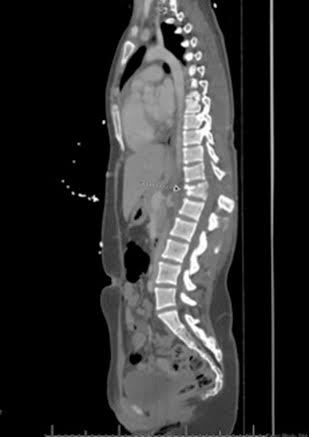
If my only visible injury is a seat belt bruise, is it worth pursuing a claim?
A visible bruise alone is not always enough to justify a formal claim, particularly if it heals quickly and does not require medical care. However, bruising in the shape of a seat belt can sometimes signal deeper injuries you cannot see, such as abdominal trauma, internal bleeding, or muscle and ligament damage. The first step is always medical evaluation; a doctor can help determine whether additional imaging or follow‑up is necessary. If the bruise is accompanied by significant pain, missed work, or other injuries like a concussion or whiplash, your overall damages may be higher than they first appear. A free consultation with a Greensboro injury lawyer can help you decide whether your situation is substantial enough to pursue a claim or better handled directly with your own insurer.
Can I still bring a claim if I was not wearing my seat belt in a Greensboro crash?
This page focuses on injuries caused by wearing a seat belt, but many people understandably ask the opposite question. North Carolina has complex rules about how seat belt non‑use can be treated in civil cases. In some situations, evidence that you were not belted may be limited, while in others it may become part of the defense's contributory negligence arguments. The specifics depend on evolving case law and the facts of your crash. Because even a small finding of fault can be devastating under contributory negligence, you should speak with a North Carolina injury attorney before assuming you have no claim or answering detailed questions from an adjuster about seat belt use.
What if the seat belt failed or came unlatched during the accident?
If the belt failed to lock, ripped, or came unlatched without reasonable explanation, your injuries may involve both crash forces and a potential product issue. These cases can be more complicated than a typical two‑car collision because they often require engineering analysis, preservation of the vehicle, and investigation into whether a known defect or recall exists. You would still likely pursue a claim against the at‑fault driver, but there might also be a separate product liability claim against a manufacturer or other entity. Because evidence can disappear quickly once a vehicle is repaired, sold, or crushed, you should let a lawyer know immediately if you suspect a seat belt malfunction so they can advise you on preserving the car and documenting what happened.
How long do I have to file a seat belt injury claim in North Carolina?
North Carolina law sets strict deadlines, called statutes of limitation, for filing personal injury and product liability lawsuits. In many ordinary car accident injury cases, the deadline is three years from the date of the crash, but different timelines can apply in wrongful death or certain product-based claims. Waiting too long to act can permanently bar you from recovering damages, no matter how strong your case might have been. At the same time, valuable evidence like vehicle data, surveillance footage, and witness memories can fade much sooner. Speaking with an attorney well before any possible deadline allows time for investigation, negotiations with insurers, and, if necessary, timely filing in the appropriate court.
Will insurance cover my medical bills as I treat for seat belt injuries?
There are several potential sources of payment for medical care after a Greensboro crash. The at‑fault driver's liability insurance is usually the main target for reimbursement, but that money often comes only after a settlement or verdict. In the meantime, your own health insurance may help cover treatment, subject to your policy's co‑pays and deductibles. Some auto policies include medical payments (MedPay) coverage that can reimburse certain expenses regardless of fault, up to the purchased limit. Providers may also file liens in some situations, to be paid from any future recovery. Because each policy and case is different, it is important to review your coverage documents and, if you hire a lawyer, let them coordinate how bills, MedPay, health insurance, and eventual settlement funds interact so you do not accidentally sign away rights or end up with unexpected balances.