Business photo
Lexington, NC No‑Contact Car Accidents

Can You File an Injury Claim After a Lexington Car Accident Caused by a Driver Who Never Hit Your Vehicle?

You swerved or braked to avoid a careless driver near Lexington, and your vehicle never touched theirs - but you were still badly hurt. Now you are hearing mixed messages about whether you can even bring a claim. This guide breaks down how North Carolina handles these "no‑impact" crashes, what proof you need, and how an experienced Piedmont personal injury firm can help you sort out liability and insurance coverage.

The short answer

What matters most

Yes. In North Carolina, you may be able to file an injury claim after a Lexington car accident even if the negligent driver never actually hit your vehicle. What matters is whether another driver's carelessness set events in motion and directly caused your crash and injuries, not whether the vehicles made physical contact. These cases are sometimes called "no‑impact" or "phantom‑vehicle" collisions. To pursue a claim, you will need evidence that shows how the other driver caused the wreck - for example, a police report, eyewitness statements, nearby video, vehicle damage patterns, or electronic data. If the at‑fault driver is identified and insured, the claim may proceed against that driver's liability coverage. If they flee or are never confirmed, an uninsured motorist (UM) claim under your own North Carolina policy may be possible. Because North Carolina follows strict contributory negligence rules, and proof can be more complicated when the vehicles never touch, speaking with a car accident attorney who handles serious Piedmont crashes can be critical before you give statements or accept any settlement.

01You may still bring an injury claim in North Carolina after a Lexington crash even if the at‑fault driver's vehicle never touched yours.↗
02Proving a no‑impact case depends heavily on early evidence collection, including police reports, witnesses, photos, and available video or electronic data.↗
03If the negligent driver is identified and insured, a liability claim may be possible; if not, your own uninsured motorist coverage could come into play.↗
04North Carolina's contributory negligence rule means accusations that you were even slightly at fault can have serious consequences for your claim.↗
05A free consultation with a plaintiff‑focused North Carolina car accident attorney can clarify whether your no‑contact crash supports a viable injury claim and what to do next.↗
Business photo
A visual pause

How no‑contact Lexington crashes happen - and how fault is proven

A useful way to think about it

How no‑contact Lexington crashes happen - and how fault is proven

Many drivers assume that if there was no impact, there can be no claim. North Carolina law is broader than that. The key is showing that another driver's unsafe choices forced you into a wreck. Here is how these crashes typically unfold and what kind of proof can support a case.

01

What counts as causing a crash without contact?

Under North Carolina law, a driver can be at fault even if their vehicle never touches yours, as long as their negligence sets off a chain of events that predictably leads to your injuries. Common examples include a driver who suddenly swerves into your lane, cuts you off while turning, runs you off the road, or brakes erratically in front of you for no reason, forcing you to swerve into another object or vehicle. The legal question is whether a reasonably careful driver would have avoided those actions and whether their conduct directly led to your collision. The absence of a dent from their car on yours does not erase that responsibility; it simply means their role must be proven through other types of evidence.

02

Key evidence in Lexington no‑impact accidents

Because there is no physical contact tying the other vehicle to your car, proving fault often depends on gathering supporting proof quickly. A detailed police report that notes the other driver or vehicle is important, but it is not the only source. Independent eyewitnesses, dash‑cam footage, nearby security cameras from businesses or homes, photographs of the roadway and any skid marks, and electronic data from modern vehicles or phone apps can all help reconstruct what happened. Prompt medical records tying your injuries to the crash are equally critical. In many serious cases, attorneys work with accident reconstruction experts who can interpret this information and explain to an insurer - or a jury - how a careless maneuver by another driver in Lexington triggered your crash.

03

Identified driver versus unknown "phantom" vehicle

No‑impact crashes fall into two broad categories. In some, the at‑fault driver stops, exchanges information, and is identified in the police report. In others, the driver speeds away or was only briefly seen, and their identity remains unknown. If the negligent driver is known and insured, your lawyer may pursue a liability claim directly against that driver's policy. If the driver is unknown or has no insurance, a claim under your own uninsured motorist (UM) coverage may be possible, depending on the specific policy language and facts of the crash. In both situations, the strength of your evidence about what the other driver did is central. Early legal help can reduce the risk of losing contact information, video footage, or other proof that supports either kind of claim.

Decision guide

Turning a confusing no‑impact wreck into clear next steps

After a serious collision without contact, people often doubt their own memories, feel pressured by insurance adjusters, and wonder whether it is worth pursuing anything. This section walks through practical decisions you can make now to protect your health, your finances, and your legal options.

01

How contributory negligence can affect your rights

North Carolina follows a contributory negligence rule, which means that if you are found even slightly at fault for causing the wreck, you can be barred from recovering compensation in a standard negligence claim. In a no‑impact Lexington crash, insurers may argue that you overreacted, were driving too fast, or were distracted, trying to shift blame away from the other driver. Before you give a recorded statement, sign any documents, or accept a quick offer, it can be wise to speak with a plaintiff‑side injury lawyer who can evaluate whether those allegations are supported by the evidence. An attorney can also look for facts that may counter a contributory negligence argument, such as another driver's extreme recklessness or violations of traffic law.

02

Dealing with your own insurer after a no‑contact wreck

Many people assume that their own insurance company will automatically be on their side, especially if an uninsured motorist claim is involved. But your insurer still has an interest in minimizing payouts and may question your version of events when there was no contact. You may hear statements like "we do not see evidence of another vehicle" or "you must have just lost control." Keeping your statements factual and limited, avoiding speculation, and consulting counsel before recorded interviews can help protect your claim. Bring your declarations page and any correspondence you have received to a legal consultation so an attorney can help you understand which coverages might apply and what additional information the insurer is reasonably entitled to request.

03

When to reach out for legal help in a Lexington no‑impact case

You do not need to feel certain that you have a strong case before speaking with an attorney. In fact, early questions can be especially helpful in no‑impact crashes, where small details determine whether a claim is viable. Consider reaching out if you suffered more than very minor injuries, missed work, or are facing significant medical bills; if the other driver left the scene or denies responsibility; if adjusters are pressuring you to accept fault; or if you simply are not sure which insurance coverage applies. A law firm that focuses on serious injury and car accident cases can review the facts, explain your options in plain language, and give you an honest assessment of whether moving forward is likely to help you or simply add stress.

04

Preparing for your first conversation with an attorney

To make an initial consultation as useful as possible, gather what you already have related to the Lexington crash. That may include the accident report number or a copy of the report itself, photos or videos from the scene, names and phone numbers of any witnesses, your auto and health insurance cards, and any discharge papers or medical records from your treatment. Write down your own memory of the wreck, especially details about the other vehicle's position, color, direction, and any partial license plate or distinguishing features you recall. Do not worry if your information feels incomplete; part of an attorney's role is to identify what else might be obtained. Coming in with what you do have simply gives the legal team a head start in evaluating a no‑impact scenario.

Evidence and expectations
PROOF

What sets this Piedmont injury firm apart in complex crash cases

No‑impact accidents can hinge on subtle details in the evidence and on an attorney's willingness to dig into those details. The following real client experiences highlight the firm's approach to serious, contested injury claims.

Client experiences with dedicated accident advocacy

One former client described working with attorney James Roane and paralegal Brittani Earnhardt as having "the BEST" team, noting that they worked very hard to obtain a favorable settlement. That client emphasized that James Roane personally ensured all medical bills were paid, even addressing a provider that had filed a lien, and ultimately secured almost three times the recovery the client was expecting. For someone already overwhelmed by injuries and financial pressure, that kind of thorough, detail‑oriented representation can make a real difference in a complex claim.

Professionalism, compassion, and steady guidance

Another injured person said that if you truly need a great attorney, you should "look no further," calling James Roane a blessing for their family during a difficult time. They described the entire team as professional, courteous, and empathetic, with paralegal Kerri serving as a lifeline who kept the process on track. The client appreciated that James went beyond what was necessary and remained, in their words, a fine gentleman throughout. For drivers hurt in complicated situations like no‑contact crashes, knowing that their legal team will communicate clearly and treat them with respect can bring peace of mind while the case moves forward.

Trial‑tested experience in serious North Carolina injury cases

Roane Law focuses on representing injured plaintiffs and families in North Carolina and does not take cases for insurance companies. The firm's attorneys have obtained jury verdicts across the Piedmont region and have argued cases before the North Carolina Court of Appeals and Supreme Court. That depth of trial and appellate experience can be especially valuable in technically challenging cases like no‑impact and phantom‑vehicle crashes, where insurers may be more likely to deny responsibility and force a lawsuit. A firm that is prepared to present complex evidence to a jury is often better positioned to negotiate from strength when seeking a fair settlement.

Business photo
Greensboro, NC

What a Lexington, NC location means for your no‑contact accident claim

Lexington sits within North Carolina's Piedmont region, crisscrossed by interstates, major highways, and busy local roads where sudden lane changes, cut‑offs, and aggressive merges are common. A no‑contact crash on I‑85, Business 85, US‑52, or Main Street may involve multiple jurisdictions, different law‑enforcement agencies, and a mix of local and out‑of‑town drivers. Because Roane Law is based in Greensboro and tries cases across the Piedmont and statewide, the firm is familiar with how collisions in and around Lexington tend to be investigated and documented. That practical experience can matter when you are trying to figure out whether the officer noted the other vehicle, what local businesses might have camera footage, and which medical providers in the area are most often involved in car‑injury treatment. If you were hurt in a Lexington wreck and unsure whether another driver can even be held responsible, consider using the firm's free consultation simply to walk through where the crash happened, which agencies responded, and what evidence may still be available nearby. Local details that seem minor to you can be important building blocks in a no‑impact claim.

Owner or team photo
Questions worth asking

Questions Lexington drivers often ask after a no‑impact wreck

Once people learn that a claim may still be possible, they naturally have more specific questions about timing, insurance, and what to do about the other driver. Here are clear answers to some of those concerns.

Do I still need to call the police if the other driver never hit my car?

Yes. If you are able, you should report the crash to law enforcement and request that an officer come to the scene, even if the other vehicle did not touch yours or left the area. An official report can document your account of another driver's behavior, note any witnesses or physical evidence, and sometimes record information about the other vehicle if it is identified later. In North Carolina, failing to report a serious accident can make it harder to prove what happened and may complicate insurance claims. If you were too injured to call at the time, you can still file a report as soon as you are able and explain the circumstances.

What if I did not get the license plate of the other car in my Lexington crash?

Not having a license plate or full description does not automatically end your options, but it does make fast follow‑up more important. Write down everything you remember: the color, make, model, direction of travel, and any partial plate or bumper stickers. Note the exact time and location of the crash, then think about nearby businesses, homes, traffic cameras, or other drivers who might have seen more. An attorney can often help track down additional witnesses or footage, especially if contacted soon after the accident. In some cases, even without a confirmed identity, your own uninsured motorist coverage could still be explored, depending on policy terms and the available proof of another driver's involvement.

Can I bring a claim if I swerved to avoid a collision and hit a guardrail instead?

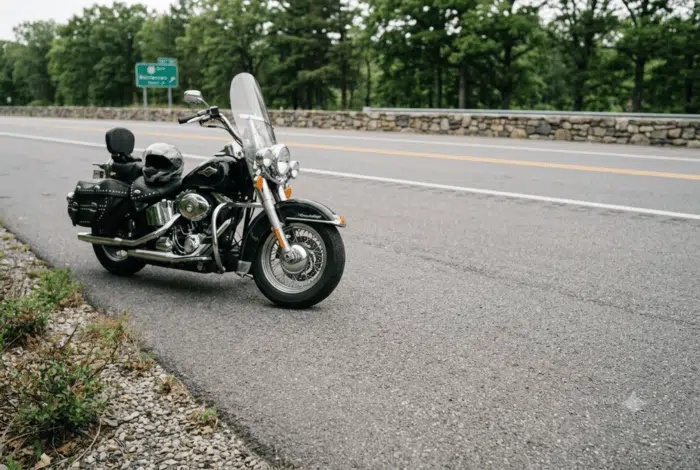
Possibly. If a negligent driver in or near Lexington forced you to swerve suddenly - for example, by cutting across lanes or pulling out in front of you - and you reasonably reacted to avoid a more serious collision, you may still have a claim. The core issue is whether that driver's unsafe maneuver was a legal cause of your crash. Insurers sometimes argue that you "overreacted" or would have been fine if you had done something different. An attorney can look at the roadway, speeds involved, and your reaction time to assess whether your actions were reasonable under the circumstances and whether a claim against the other driver's liability or your uninsured motorist coverage is worth pursuing.

How long do I have to file an injury lawsuit after a Lexington car accident with no impact?

Most North Carolina personal injury claims based on negligence must be filed within three years from the date of the accident, but there are exceptions that can shorten or extend that period in specific situations. Waiting anywhere close to that deadline can be risky in a no‑impact case because witnesses' memories fade, video footage is overwritten, and vehicles get repaired or sold. If you believe another driver caused your Lexington wreck, consider speaking with an attorney well before the three‑year mark so there is time to investigate, negotiate with insurers, and, if needed, prepare a lawsuit within the required period.

Will my health insurance still cover treatment from a no‑contact car accident?

In many situations, health insurance will process medical treatment from a car accident the same way it would any other injury, regardless of whether another vehicle actually struck your car. However, insurers may later seek reimbursement from any settlement or verdict you receive, a process called subrogation. You may also have medical payments (MedPay) coverage under your auto policy that can help with bills and co‑pays. Coordinating these different coverages - and making sure you do not sign away rights or repay more than required - can be confusing. Bringing your health and auto insurance information to a legal consultation can help an attorney evaluate how best to manage these overlapping obligations.

Owner or team photo
Your next step

Unsure whether your Lexington no‑impact crash is a case?

If another driver's reckless maneuver around Lexington forced you into a wreck, you do not have to guess about your rights or rely only on an insurance adjuster's opinion. Roane Law focuses on representing injured people and families throughout North Carolina in serious car accident cases. You can request a free, no‑obligation consultation to walk through what happened, review your police report and insurance policies, and talk frankly about whether a claim makes sense. The firm handles injury matters on a contingency‑fee basis, meaning attorney fees are only collected if compensation is recovered. Call (336) 617-6125 or visit https://www.roane-law.com/contact/ to schedule a conversation with a trial‑tested injury lawyer serving the Piedmont.