Business photo
Lexington, NC Car Accident Hearing Injuries

Can Hearing Loss or Tinnitus Be Connected to a Serious Car Accident in Lexington, NC?

If a Lexington crash left you with ringing in your ears or trouble hearing, you may be wondering whether that problem is "real enough" to mention or connect to the wreck. This page explains how car accidents can cause hearing loss or tinnitus, how doctors and insurers look at these conditions, and what you can do in North Carolina to protect a possible injury claim while you focus on getting answers and treatment.

The short answer

What matters most

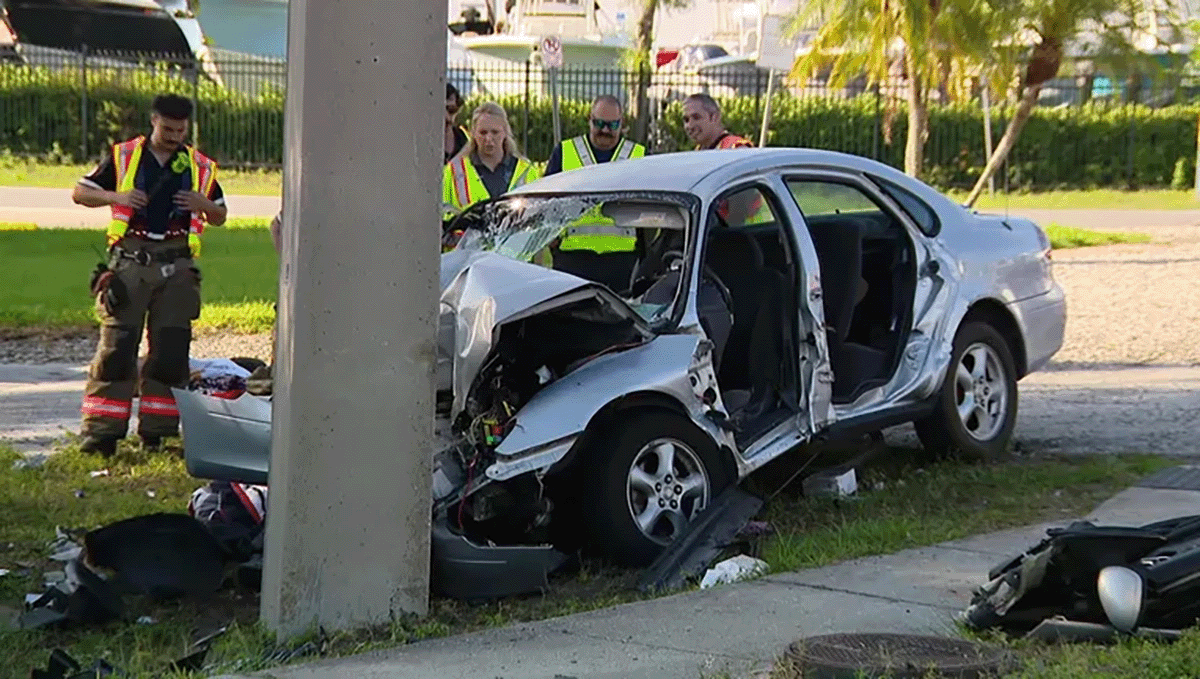
Yes. Hearing loss or tinnitus can sometimes be connected to a serious car accident in or around Lexington, NC, but the link usually has to be proven with medical evidence. A violent crash can expose you to powerful impact forces, airbag deployment, and sudden pressure changes that may damage structures in the ear or aggravate a pre‑existing condition. Under North Carolina law, you may pursue an injury claim for accident‑related hearing problems if you can show that another party was legally at fault for the wreck and that the crash more likely than not caused or worsened your hearing loss or tinnitus. That connection is usually established through prompt medical care, diagnostic testing such as audiology exams, detailed documentation of when symptoms began, and expert opinions from qualified providers. A personal injury lawyer can help gather those records, work with your doctors, and present your hearing problems as part of a broader claim for medical costs, lost income, and the day‑to‑day impact of living with permanent ringing or reduced hearing.

01Hearing loss or tinnitus can be caused or worsened by a serious Lexington, NC car accident, especially when there is head trauma, airbag noise, or sudden pressure changes.↗
02Prompt evaluation by an ENT and audiologist both protects your health and creates crucial evidence that links your hearing problems to the crash.↗
03Keeping a detailed log of when symptoms began, how they feel, and how they affect sleep and work can strengthen both medical care and any future claim.↗
04North Carolina law allows you to seek compensation for accident‑related hearing problems, including medical costs, lost income, and the daily impact of ringing or reduced hearing.↗
05Roane Law, a plaintiff‑only injury firm based in Greensboro, handles serious Piedmont cases and offers free, contingency‑based consultations for Lexington residents facing hearing injuries after a crash.↗
Business photo
A visual pause

Understanding Hearing Loss and Tinnitus After a Lexington Crash

A useful way to think about it

Understanding Hearing Loss and Tinnitus After a Lexington Crash

Ringing, buzzing, or muffled hearing after a wreck can be frightening, especially when everything else in your life already feels upside down. This section walks through how a serious collision can affect the ears, what symptoms to watch for, and what early steps matter most for both your health and a possible claim.

01

How a Car Accident Can Damage Your Hearing

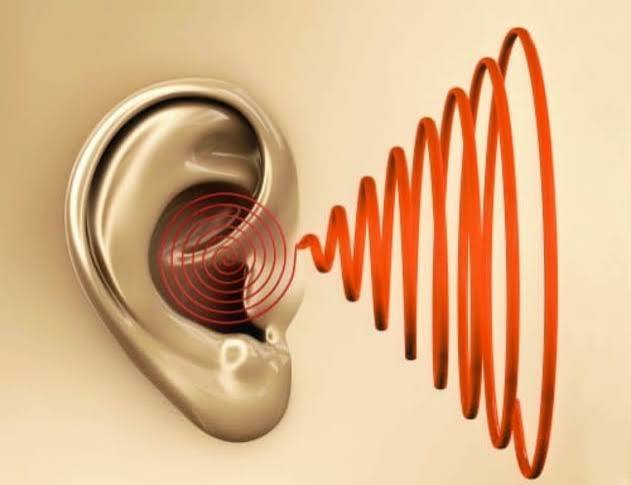
A serious Lexington collision can affect your hearing in several ways. The most obvious is extreme noise, such as a nearby airbag deploying or metal and glass crushing, which can damage delicate hair cells inside the cochlea. Sudden changes in pressure, violent head movement, or direct impact to the side of the head can also injure the middle and inner ear, leading to temporary or permanent changes in hearing. Even if you never hit your head, the whiplash motion of a crash can disrupt blood flow or strain structures around the ear. Some people develop tinnitus,ringing, buzzing, roaring, or hissing sounds no one else can hear,while others notice muffled hearing, trouble following conversations, or sensitivity to everyday noises. Because these symptoms do not always show up in the emergency room, they are often overlooked unless you speak up and follow through with specialists.

02

Tinnitus and Hearing Loss Symptoms to Watch For

After the initial shock of a wreck fades, subtle hearing problems can become easier to notice. You might hear a constant or intermittent ringing, buzzing, or whooshing sound in one or both ears. Conversations in crowded places may feel exhausting, you may turn the television up louder than before, or you may feel pressure, fullness, or pain inside the ear. Some people become unusually sensitive to routine noises, such as dishes clanking or traffic sounds. If these symptoms begin soon after a Lexington crash,and especially if you had no similar issues beforehand,that timing can be important medical evidence. Keep a simple log of when the noises started, which ear is affected, whether symptoms worsen at certain times of day, and how your sleep or concentration is disrupted. Those details will help your doctors understand what is happening and can later help demonstrate the accident's impact.

03

The Medical Workup: Why Fast, Thorough Care Matters

From both a health and legal standpoint, you are better off getting your ears checked sooner rather than later. Start with your primary care provider or the emergency department if symptoms are severe. They may refer you to an ear, nose, and throat (ENT) specialist or an audiologist for more detailed testing, including hearing thresholds, speech recognition, and middle ear function. These exams not only guide treatment but also create an objective record of your condition after the crash. That record is critical if you pursue an injury claim in North Carolina, because insurers will look carefully at whether you sought treatment promptly and followed recommendations. Be sure to tell every provider that your symptoms began after a particular Lexington accident, and share any prior hearing issues so they can clearly document whether your condition changed or worsened after the wreck.

Decision guide

Turning New Hearing Problems Into a Clear Legal Plan

Once you suspect that a Lexington crash damaged your hearing, the next challenge is deciding what to do about it. These decision points can help you move from worry and guesswork to a concrete plan that protects your health, your income, and your legal rights in North Carolina.

01

Linking Your Hearing Problems to the Lexington Crash

To recover compensation for hearing loss or tinnitus, you will need to show more than the fact that you now have symptoms. The law requires a causal link between the Lexington accident and your current condition. That link is usually supported by three things: your description of how and when symptoms began, medical records and tests showing new or worsened hearing issues, and expert opinions connecting those findings to trauma. If you had some hearing loss before the wreck, that does not automatically block a claim. Instead, your case may focus on how the crash aggravated or accelerated your existing condition. An injury attorney can work with your ENT, audiologist, or other specialists to obtain reports that explain, in plain language, how the forces of the collision could have produced the damage reflected in your tests.

02

Including Hearing Loss or Tinnitus in a North Carolina Injury Claim

Once fault for the collision is investigated and there is medical support for your hearing problems, those losses can be folded into a broader claim. In North Carolina, recoverable damages in a personal injury case may include the cost of diagnostic testing, medical visits, medications, and devices such as hearing aids, as well as lost income if your condition affects your job. You may also pursue compensation for pain and suffering, sleep disruption, and loss of enjoyment of activities that now feel overwhelming or impossible because of noise sensitivity or constant ringing. Because hearing injuries are not as visually obvious as broken bones or scars, they often require careful explanation and supporting evidence. A lawyer experienced in serious injury cases can help gather testimony from family, co‑workers, and friends about how your hearing has changed your daily life, and can work with experts to present your losses clearly to insurers or a jury.

03

Protecting Your Claim While You Focus on Recovery

If you suspect the Lexington wreck harmed your hearing, there are several practical steps you can take while medical providers and, potentially, attorneys handle the technical pieces. Report all symptoms to your doctors, and follow their advice about medications, hearing protection, or lifestyle changes, even if the improvements feel slow. Keep copies of bills, receipts, and mileage related to your care. Be cautious in conversations with insurance adjusters, especially if they seem to minimize your hearing complaints or push you to settle quickly. Giving a recorded statement or signing broad medical releases without legal advice can make it harder to prove the connection between the crash and your tinnitus or hearing loss. Consulting a North Carolina injury lawyer early on can help you avoid missteps, preserve evidence, and make informed decisions about any settlement offers.

04

When to Talk With a Lawyer About Hearing Injuries

Many people are unsure whether their hearing problems are "serious enough" to involve an attorney. Warning signs that you should at least get a free legal consultation include ongoing tinnitus or hearing changes weeks after the crash, ENT or audiology testing confirming new deficits, difficulty working or communicating, or an insurer suggesting that your symptoms are unrelated or exaggerated. A lawyer who regularly handles complex injury and malpractice cases can review your records, look at the police report and any crash photos, and give you a straightforward opinion about whether pursuing a claim makes sense. If your hearing problems are one part of a larger set of injuries, a coordinated approach can help ensure that no aspect of your recovery is overlooked in negotiations or litigation.

Evidence and expectations
PROOF

What Sets Roane Law Apart in Serious North Carolina Injury Cases

If you are dealing with life‑changing injuries like tinnitus or hearing loss, the experience of your legal team matters. Here is how verified information about Roane Law's work and reputation translates into real‑world support for clients across the Piedmont.

Trial‑Ready Approach in Complex Injury Cases

Roane Law focuses its practice on serious injury and wrongful death matters, including complex cases that often require expert testimony and significant evidence gathering. The firm's attorneys are trial‑tested, with jury verdicts in every Piedmont county and experience litigating before the North Carolina Court of Appeals and Supreme Court. For a client coping with long‑term tinnitus or hearing loss, that depth of experience means having a team prepared to fully document nuanced, hard‑to‑see injuries and present them clearly to a judge or jury if settlement talks stall.

Client Experiences Highlight Personal, Persistent Advocacy

Verified client reviews describe attorneys and staff at Roane Law as diligent, compassionate, and committed to securing strong outcomes. In one detailed account, a former client explained that attorney James Roane and paralegal Brittani Earnhardt worked tirelessly to secure a settlement nearly three times higher than expected while ensuring all medical bills, including a lien, were paid. Another reviewer emphasized the team's professionalism, empathy, and steady communication, describing paralegal Kerri as a "lifeline" during a difficult process. For someone navigating confusing new hearing symptoms and multiple medical appointments, this kind of hands‑on support can make it easier to keep records organized, stay informed, and feel truly heard.

Plaintiff‑Only Representation Across North Carolina

Roane Law represents only injured individuals and families, never insurance companies. The firm handles car and truck crashes, workers' compensation, medical malpractice, nursing home abuse, wrongful death, and other serious injury claims statewide. For Lexington residents, that means access to a team that understands how Piedmont crashes are investigated and litigated and is focused solely on maximizing recovery for people whose lives have been disrupted by negligence,including those facing permanent, invisible injuries like hearing loss or daily ringing in the ears.

Business photo
Greensboro, NC

Why the Lexington, NC Location of Your Crash Matters

A serious wreck in Lexington is governed by North Carolina law, but the local details of where and how your crash happened can shape your options and timeline. Lexington sits within the Piedmont region, and many residents receive trauma care or specialist follow‑up in nearby cities such as Winston‑Salem or Greensboro. That can complicate insurance questions, medical records gathering, and even which witnesses and officers need to be contacted. Because Roane Law is based in Greensboro and has tried cases in every Piedmont county, the team is familiar with working across county lines, coordinating records from local and regional medical providers, and presenting Lexington‑area crashes to Davidson County juries when settlement talks fall short. If you live or work in Lexington but are being treated in another city, an attorney who regularly handles Piedmont cases can help keep your records organized, your claim on track, and your appointments from becoming an excuse for insurers to delay or deny.

Owner or team photo
Questions worth asking

Questions Lexington Crash Victims Ask About Hearing Loss and Tinnitus

People coping with ringing ears or new hearing problems after a wreck often feel alone and unsure what to ask. These questions reflect real worries and practical concerns that typically do not show up on a standard accident checklist.

What if my tinnitus started a few days after the Lexington crash, not immediately?

Delayed onset does not automatically break the connection between a Lexington crash and new tinnitus. In many people, ringing or buzzing becomes noticeable only after the initial shock, headaches, or other injuries calm down. However, insurers often challenge symptoms that appear days later, so documentation is important. Tell your doctors exactly when you first noticed the sounds and how they have changed. Ask whether your providers can note in your records that, in their medical judgment, the tinnitus is consistent with trauma from the crash. Keeping a symptom diary and getting an early audiology evaluation can also help link the timing to the wreck rather than to unrelated causes.

Can a car accident make pre‑existing hearing loss worse?

Yes. A serious collision can aggravate pre‑existing hearing loss, even if you already wore hearing aids or had documented deficits. The legal question is whether the wreck made your condition measurably worse. That might mean poorer scores on audiology tests compared with earlier results, increased difficulty understanding speech, or new tinnitus layered on top of existing loss. North Carolina law allows you to seek compensation when someone's negligence worsens a vulnerability you already had, but insurers often argue that everything you are experiencing is "just your old problem." Prior records, careful testing after the crash, and clear explanations from your providers can help show the difference between your before‑and‑after hearing.

What kinds of doctors should I see for hearing loss after a car accident?

Many people start with an emergency room or urgent care visit right after the crash, then follow up with a primary care doctor. For ongoing hearing or tinnitus issues, it is usually helpful to see an ear, nose, and throat (ENT) specialist and an audiologist. The ENT can evaluate structural damage, rule out infections or other conditions, and coordinate imaging if needed. The audiologist performs detailed hearing tests and tracks changes over time. Depending on your symptoms, you may also benefit from seeing a neurologist (if you had a head injury or concussion) or a mental health professional for sleep, anxiety, or mood changes related to constant ringing. From a legal standpoint, these specialist records create a clearer, more objective picture of how the crash affected you.

How can tinnitus or hearing loss affect my work and compensation claim?

Hearing problems after a crash can disrupt your job in ways that are easy to underestimate. You may struggle on phone calls, miss instructions in meetings, or feel exhausted from concentrating to follow conversations. Tinnitus can make it difficult to sleep, which in turn affects focus and productivity. In noisy workplaces, new sensitivity to sound may force you to cut back hours or change roles. In a North Carolina injury claim, documented work impacts can support claims for lost wages, diminished earning capacity, and related losses. Pay stubs, employer statements, performance reviews, and your own notes about missed days or changed duties can help show how tinnitus or hearing loss interferes with your ability to do the work you did before the Lexington accident.

What if the insurance company says my hearing problems are from age or loud music, not the wreck?

Insurers frequently point to age, past noise exposure, or unrelated medical issues to argue that hearing problems have nothing to do with a crash. You do not have to simply accept that position. Ask your doctors whether the pattern of your hearing loss or tinnitus is consistent with trauma from the collision. Objective tests, imaging, and a clear history of when symptoms started can counter arguments that everything is just age‑related. An attorney can help by obtaining expert opinions, comparing your medical records before and after the crash, and challenging any unsupported assumptions made by the insurer's doctor. If negotiations fail, those experts may testify so a jury can decide whose explanation makes more sense.

Owner or team photo
Your next step

Talk With a North Carolina Injury Lawyer About Your Hearing Problems

If a Lexington‑area crash left you with ringing, buzzing, or reduced hearing, you do not have to sort out the medical and legal pieces on your own. Roane Law represents only injured people and families,not insurance companies,in serious accident and malpractice cases across North Carolina. You can start with a free, no‑obligation consultation. An attorney will review your crash, your medical care to date, and how your hearing problems are affecting your work and daily life. If the firm accepts your case, it is handled on a contingency fee, meaning attorney fees are collected only if compensation is recovered for you. To schedule a consultation, you can call (336) 617-6125 or reach out through the contact form at https://www.roane-law.com/. Getting clear answers now can help you protect both your health and your future.