Business photo
Asheboro Car Accident Guidance

Can a Car Accident Cause TMJ or Jaw Injuries in Asheboro, NC?

Jaw pain or popping after a wreck can be more than a nuisance. TMJ problems and jaw injuries are often overlooked in Asheboro crash claims because they develop slowly and can be hard to prove. This page walks through how a collision can damage your jaw, what doctors and insurers need to see, and how a North Carolina plaintiff-only firm based in Greensboro can help you prepare a strong claim while you focus on treatment.

The short answer

What matters most

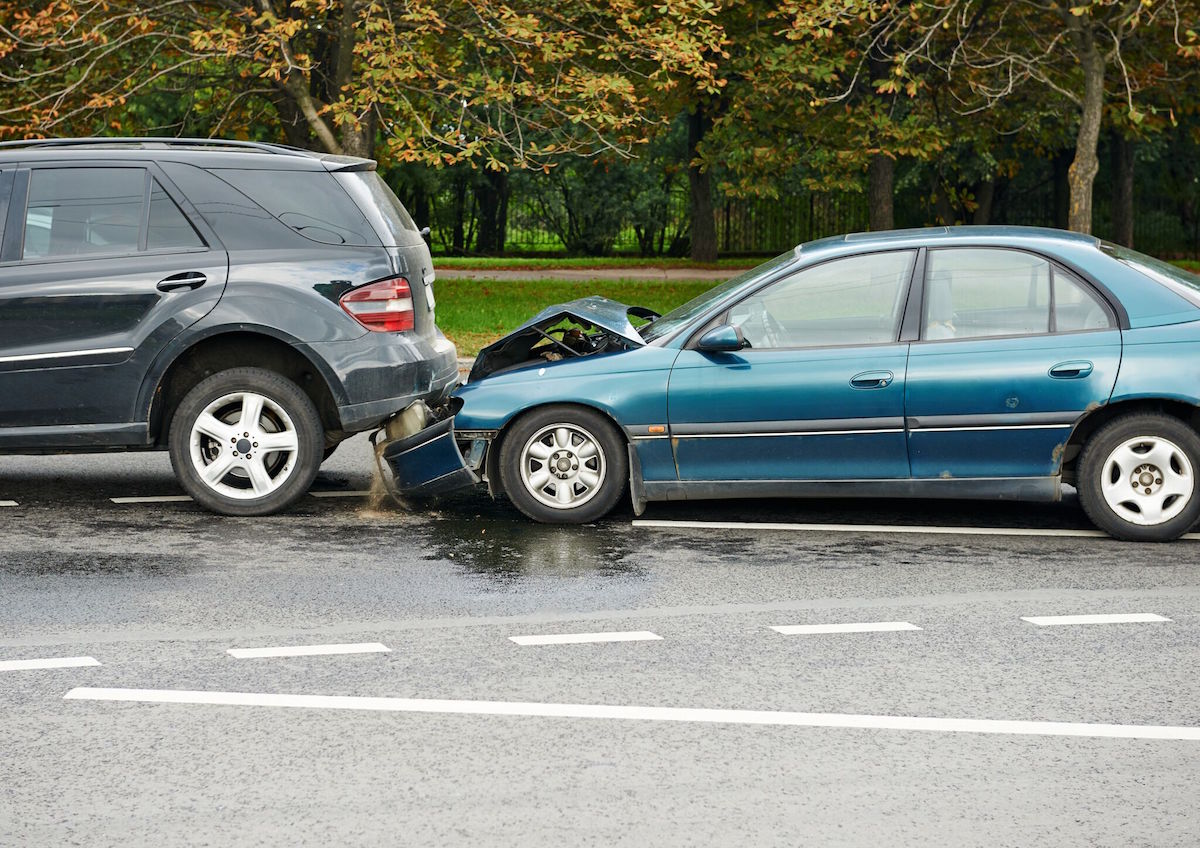
Yes. A car accident in or around Asheboro can cause TMJ (temporomandibular joint) problems and other jaw injuries, even if you never struck your face on anything. Sudden whiplash motion, airbag forces, or clenching your teeth in the moment of impact can strain the joint, damage cartilage, or injure the muscles that control your jaw. Because these symptoms often appear days or weeks later, it is vital to report new jaw pain, popping, headaches, or difficulty chewing to a doctor or dentist and to document them carefully. If another driver's negligence caused the crash, a North Carolina personal injury lawyer can help connect your TMJ or jaw injury to the collision, deal with insurers, and pursue compensation for your medical care, pain, and functional limits.

01A car accident in Asheboro can injure your TMJ or jaw through whiplash, direct impact, or forceful clenching, even if no bones are broken.↗
02TMJ symptoms such as jaw popping, stiffness, headaches, and bite changes often emerge days or weeks after the crash, so careful documentation is essential.↗
03Medical records from doctors, dentists, and specialists form the backbone of a TMJ-related injury claim and should clearly link your symptoms to the collision.↗
04North Carolina's contributory negligence rule makes fault analysis critical, and insurers frequently dispute TMJ cases, so legal guidance can be especially valuable.↗
05Roane Law, a Greensboro-based plaintiff-only firm with Piedmont trial experience, offers free, contingency-based consultations to crash victims with suspected TMJ or jaw injuries.↗
Business photo
A visual pause

Understanding TMJ and Jaw Injuries After an Asheboro Wreck

A useful way to think about it

Understanding TMJ and Jaw Injuries After an Asheboro Wreck

Many people leave the scene of an Asheboro crash believing they escaped with only soreness, then develop jaw pain, popping, or headaches later. Here is how those injuries happen, what they mean medically, and how they fit into a North Carolina injury claim.

01

How a Car Crash Can Injure Your TMJ or Jaw

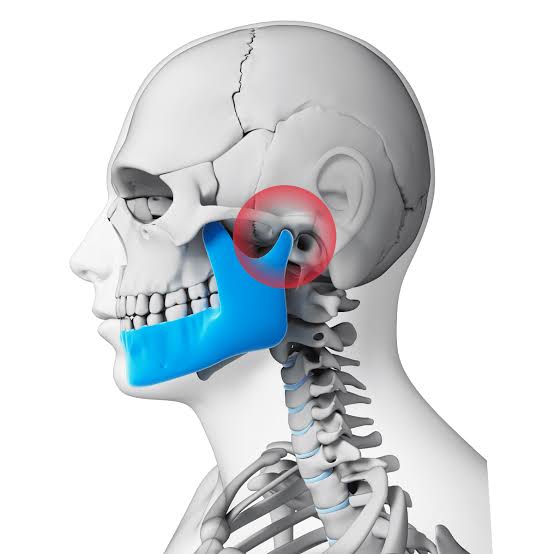
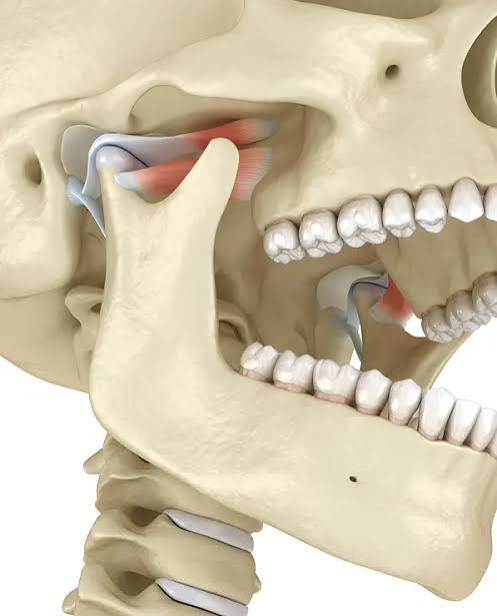
The temporomandibular joint connects your jawbone to your skull and is surrounded by delicate cartilage, ligaments, and muscles. In an Asheboro collision, several forces can injure this area. Whiplash motion can violently snap your head forward and back, straining the jaw joint and surrounding soft tissues without any direct blow to the face. An airbag or steering wheel can strike your chin or side of your face and cause a fracture or dislocation. Many people also clench their teeth just before impact, which can compress the joint surfaces and damage the cushioning disc between them. Even if imaging does not show a broken bone, microscopic damage to cartilage or chronic muscle spasm can lead to the popping, stiffness, headaches, and bite changes commonly seen in TMJ cases after a wreck.
02

Common TMJ and Jaw Symptoms After a Wreck

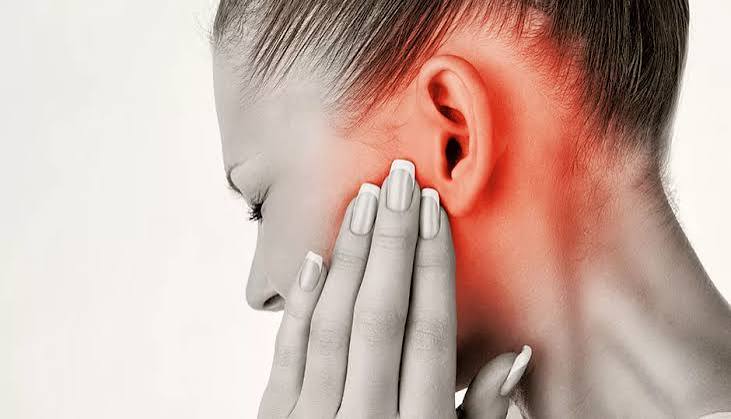
TMJ and jaw injuries rarely feel like a dramatic event on the day of the crash. Instead, people often notice a gradual change. Your jaw may feel stiff when you wake up or ache when you chew tougher foods. You might hear or feel clicking, grinding, or popping when you open or close your mouth. Some experience sharp pain in front of the ear, ringing in the ears, or headaches that start near the temple and spread. Others notice their teeth no longer line up the way they used to, or that the jaw occasionally locks open or closed. These symptoms may appear days or weeks after the Asheboro accident as inflammation builds and your body compensates. Because delayed onset is common, documenting even small changes and mentioning them at doctor's visits is critical for both your health and any future claim.

03

Getting the Right Medical Evaluation and Treatment

If you suspect a TMJ or jaw injury, start by describing your symptoms and the car crash to a qualified medical provider, such as your primary care doctor, an oral and maxillofacial surgeon, or a dentist who treats TMJ disorders. They may order imaging, evaluate how your jaw moves, and rule out other conditions. Treatment can range from conservative care,like soft-food diets, anti-inflammatory medication, jaw exercises, and bite splints,to more involved options if conservative measures fail. Following through with recommended care protects your health and creates a timeline that connects your symptoms to the Asheboro collision. Keep copies of visit summaries, prescriptions, imaging reports, and any referrals to specialists. Even if you are worried about costs, discuss payment options and insurance with your providers rather than postponing care entirely, since large gaps in treatment can both worsen your condition and give insurers room to argue the crash was not the cause.

Decision guide

Turning Jaw Pain Into a Concrete Legal Plan

Once you suspect your TMJ or jaw problems are related to the crash, you have to decide how to move forward. These steps can help you choose the right level of legal help and prepare for a productive conversation with any attorney you contact.

01

Should You Handle a TMJ Crash Claim on Your Own?

Some straightforward fender-bender claims can be resolved without a lawyer, but TMJ and jaw injuries are rarely simple. Insurers often challenge these cases because the damage is harder to see, symptoms may start later, and many people have some preexisting dental issues. Adjusters may suggest your jaw pain is from stress, grinding, or an unrelated condition rather than the Asheboro accident. An experienced North Carolina personal injury attorney who understands soft-tissue and joint injuries can help you gather the right medical opinions, explain your condition in plain language, and push back against attempts to minimize it. If your pain is ongoing, affects eating or speaking, or has led to specialist care, it is wise to at least schedule a free consultation to learn how an attorney would value and document your claim before you negotiate directly with an insurer.

02

How to Prepare for a Consultation About Jaw and TMJ Injuries

A bit of preparation can make your first meeting with any lawyer much more productive. Write out a clear timeline starting with the Asheboro crash: where it happened, how your body moved on impact, when you first noticed jaw or facial symptoms, and how they have changed. Gather your accident report, photos of vehicle damage, and names of any witnesses if you have them. Bring medical records, imaging reports, lists of medications, and the names of every doctor or dentist who has treated you since the collision. Note days you missed work, tasks that have become difficult, and any activities,like singing, public speaking, or chewing certain foods,that now trigger pain. With this information in hand, the attorney can better assess how clearly your jaw problems connect to the wreck and outline a realistic plan for pursuing a claim.

03

Questions to Ask Any Lawyer About Your TMJ Claim

You are entitled to clear, direct answers before trusting a firm with your case. Consider asking how often they handle injury claims involving TMJ or other joint problems and what challenges they typically face. Ask who in the office will be your main point of contact and how frequently you can expect updates. It is also reasonable to discuss their experience trying cases in Piedmont courts and negotiating with insurers on complex medical issues. Clarify the contingency-fee arrangement, what case costs might arise, and how those costs are handled if the case does not result in compensation. A lawyer who welcomes these questions, explains things without jargon, and is transparent about both strengths and weaknesses in your case is more likely to be a good long-term partner as you work through your recovery and claim.

04

How North Carolina Law Treats TMJ and Jaw Injuries From Crashes

In North Carolina, TMJ and jaw injuries from a car accident are treated like any other physical injury caused by another driver's negligence. You may pursue compensation for medical bills, lost wages, future treatment needs, and pain and suffering tied to your jaw problems. However, the state's contributory negligence rule can bar recovery if you are found even slightly at fault for the crash, which makes careful investigation especially important. Because TMJ injuries often rely on expert opinions rather than obvious fractures, insurers may be quick to dispute them. A personal injury firm familiar with complex injury litigation can help present medical evidence clearly, work with treating providers and, when appropriate, independent specialists, and evaluate settlement offers with an eye toward future flare-ups or procedures your doctors believe you may reasonably need.

Evidence and expectations
PROOF

Why Many Injured North Carolinians Turn to Roane Law

TMJ and jaw claims are often contested, so experience and staying power matter. Approved information and real client reviews highlight what sets this Greensboro-based firm apart in serious injury cases across the Piedmont.

Plaintiff-Only Trial Focus Across the Piedmont

Roane Law concentrates on representing injured plaintiffs and families, not insurance companies. Based in Greensboro, the firm pursues car and truck crash cases, serious personal injury matters, workers' compensation claims, medical malpractice, nursing home cases, and wrongful death claims across North Carolina. Approved information indicates that the firm has jury verdicts in every Piedmont county and has secured multimillion-dollar recoveries, including cases argued before the North Carolina Court of Appeals and Supreme Court. That depth of trial experience can matter in TMJ and jaw cases, where insurers sometimes refuse to take complaints seriously until they see that a lawyer is fully prepared to present complex medical testimony to a jury if settlement talks stall.

Board-Certified, Award-Winning Attorneys and Personalized Support

According to the firm's approved profile, Roane Law is led by board-certified, award-winning attorneys who have built careers handling high-stakes injury cases. The practice emphasizes responsive, personal client service so that injured people are not left guessing about their case. In TMJ and jaw claims, where treatment plans can stretch over months and questions about work, daily life, and future care are common, a team that returns calls, explains developments, and helps coordinate records from multiple providers can reduce stress and help you stay focused on healing while the legal work proceeds in the background.

Client Experiences Highlight Communication and Results

Real client feedback underscores how this firm supports injured people during difficult times. In one 5-star Google review, a client shares that attorney James Roane and paralegal Brittani Earnhardt "work very hard to get the most favorable settlement" and were able to secure almost three times the amount the client expected while ensuring medical bills were taken care of. Another review describes James Roane as "a true blessing" whose team was professional, empathetic, and dedicated throughout the case, with staff members like Kerri keeping the process running smoothly. For someone dealing with a misunderstood injury such as TMJ after an Asheboro crash, that combination of persistence with insurers and steady communication can be especially important.

Business photo
Greensboro, NC

What TMJ and Jaw Claims Mean Specifically for Asheboro Crash Victims

Crashes in and around Asheboro often involve commuting traffic on Highway 64, local errands on Fayetteville Street, or trips up to Greensboro and back. If you live or work in Randolph County and are now dealing with jaw pain, your choices about doctors and lawyers are shaped by where you are. You may start care with a primary doctor in Asheboro, urgent care in Randleman, or a local dentist, then need referrals to maxillofacial or TMJ specialists who are more commonly based in larger cities such as Greensboro or Winston-Salem. That distance can affect your schedule, transportation, and out-of-pocket costs, and insurers may question every referral. A Piedmont-based injury firm that routinely handles cases outside Greensboro can account for Randolph County driving patterns, local providers, and the realities of traveling for care. If you are interviewing lawyers, ask how they handle cases filed in Randolph County, whether they have tried injury cases in Piedmont courts, and how they stay in touch with clients who are not around the corner from their main office.

Owner or team photo
Questions worth asking

TMJ and Jaw Injury Questions After an Asheboro Car Accident

People rarely expect a car crash to leave them with long-term jaw pain or chewing problems. These questions come up often once TMJ is on the table but the claim is just beginning.

My jaw did not hurt right after the Asheboro crash. Can it still be from the accident?

Yes. Delayed symptoms are very common with TMJ and other soft-tissue injuries. Immediately after a wreck, adrenaline and concern about more obvious injuries can mask jaw pain. Inflammation and muscle spasms often develop over the following days or weeks, leading to new stiffness, popping, or headaches. What matters medically is whether your providers can connect the onset of symptoms to the mechanics of the crash and rule out other likely causes. From a legal standpoint, it helps if you reported general neck, head, or facial soreness early on, then mentioned jaw-specific symptoms as soon as you noticed them. If your symptoms appeared weeks later, a lawyer can work with your doctors to build a clear timeline and explain the delay to an insurer or, if needed, a jury.

Can a low-speed or minor-looking accident really cause TMJ problems?

It is possible. Vehicle damage does not always mirror what happens to the human body inside the car. Even in a lower-speed collision, especially a rear-end or side-impact crash, the head can whip violently, and the jaw muscles and joint can be yanked or compressed. People often clamp down in fear just before impact, which increases the force on the joint and teeth. That does not mean every minor crash will cause TMJ, and insurers may argue that a low-speed collision could not have done so. This is where detailed medical evaluations, jaw motion tests, and, in some cases, expert opinions come into play. An attorney experienced with soft-tissue injury claims can help you understand whether the facts of your crash and your medical findings support pursuing a TMJ-related claim.

What if my dentist was the first person to notice TMJ issues after the wreck?

Dentists and oral specialists often spot TMJ problems before anyone else because they see how your bite has changed or where you are wearing down teeth from clenching. If your dentist linked your jaw issues to the Asheboro car accident, ask for detailed chart notes describing what they observed, when you reported symptoms, and why they believe the crash is a likely cause. Those records can be very useful in your claim, especially if emergency-room or urgent-care notes focused on more obvious injuries. A personal injury lawyer can coordinate with your dentist, primary doctor, and any specialists to create a cohesive picture that ties your TMJ diagnosis to the collision rather than leaving it looking like a separate dental issue.

How do health or dental insurance and a TMJ claim interact?

If you have health or dental insurance, you may use it to help pay for TMJ-related visits and treatment, especially early on when liability is still being investigated. Your insurers may later seek reimbursement out of any settlement or verdict through a process called subrogation if another driver is found responsible. That can affect how much money you actually receive at the end of the case. A lawyer can review your health and dental plan documents, determine whether they have a valid repayment right under North Carolina law, and factor that into negotiations with the auto insurer. In some cases, your attorney may be able to reduce the reimbursement amount through negotiation, leaving more of the recovery available for your pain, suffering, and future jaw care.

How long do car accident TMJ or jaw injury cases usually take?

There is no fixed timeline, because much depends on your medical course and how the insurer responds. It often makes sense to wait until your condition has stabilized or your doctors can reasonably predict your future needs before resolving a claim; that way, you do not settle for less than the likely cost of ongoing jaw treatment. Simple claims with clear liability and mild, well-documented TMJ may resolve in settlement talks once conservative treatment is complete. More complex cases,where symptoms are severe, imaging is unclear, or the insurer contests causation,can take longer and sometimes require filing a lawsuit in North Carolina court. During a consultation, an attorney can give you a more tailored sense of timing based on your injuries, treatment plan, and the details of the Asheboro crash.

Owner or team photo
Your next step

Wondering If Your Jaw Problems Are Crash-Related?

If you are dealing with jaw pain, clicking, or trouble chewing after an Asheboro collision, you do not have to guess your way through medical visits and insurance calls. Roane Law focuses on representing injured people across North Carolina, not insurance companies. The firm offers free, no-obligation consultations and handles personal injury cases on a contingency fee, so attorney fees are collected only if compensation is recovered. You can call (336) 617-6125 or reach out through the Contact page at roane-law.com to schedule a time to talk with a lawyer about what happened, your current symptoms, and the next practical step for your situation.