Business photo
High Point, NC Car Accident Guide

Can You Recover Diminished Vehicle Value After a Car Accident in High Point, NC?

Your vehicle was repaired after a High Point wreck, but it is worth less now because of the crash history. This guide explains how diminished value claims work under North Carolina law, what evidence you need, and how Roane Law, an experienced personal injury firm based in Greensboro, can help you factor property damage into a broader accident claim.

The short answer

What matters most

Yes, you may be able to recover diminished vehicle value after a car accident in High Point, North Carolina, but only in specific situations and only if you can prove the loss. Under North Carolina law, a driver whose vehicle was damaged by someone else's negligence can generally pursue both the cost of repairs and the loss in market value that remains even after proper repairs, usually from the at‑fault driver's property damage liability insurance. To move forward, you will need evidence of the car's pre‑crash value, the repairs performed, and its lower post‑repair value, and you must file the property damage claim within the state's legal time limits. Roane Law, a Greensboro-based personal injury firm representing injured plaintiffs throughout the Piedmont, can review your accident, your coverage, and the available proof to help you decide whether a diminished value claim is realistic as part of your overall recovery plan.

01North Carolina law can allow you to recover both repair costs and diminished value when another driver's negligence damages your vehicle in High Point.↗
02Diminished value is the difference between your car's fair market value before the crash and its lower value after proper repairs and an accident history.↗
03Claims tend to be strongest for newer, higher‑value, or low‑mileage vehicles that sustained significant structural or safety‑related damage.↗
04You usually seek diminished value from the at‑fault driver's property damage liability coverage, not from your own collision coverage.↗
05Proving diminished value requires documentation of the car's pre‑crash condition, repair records, and evidence of its reduced post‑repair market value, often through comparable sales or an appraisal.↗
Business photo
A visual pause

How diminished value works after a High Point car accident

A useful way to think about it

How diminished value works after a High Point car accident

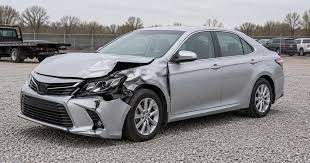
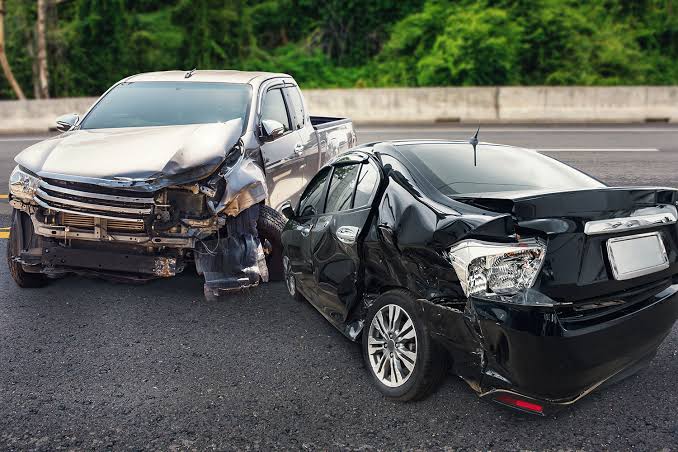
If your car was repaired after a High Point crash but its history report now shows a serious accident, you are dealing with more than just bodywork. You are facing diminished value: the difference between what your vehicle was worth before the wreck and what it is worth today, even after quality repairs.

01

What "diminished value" means under North Carolina law

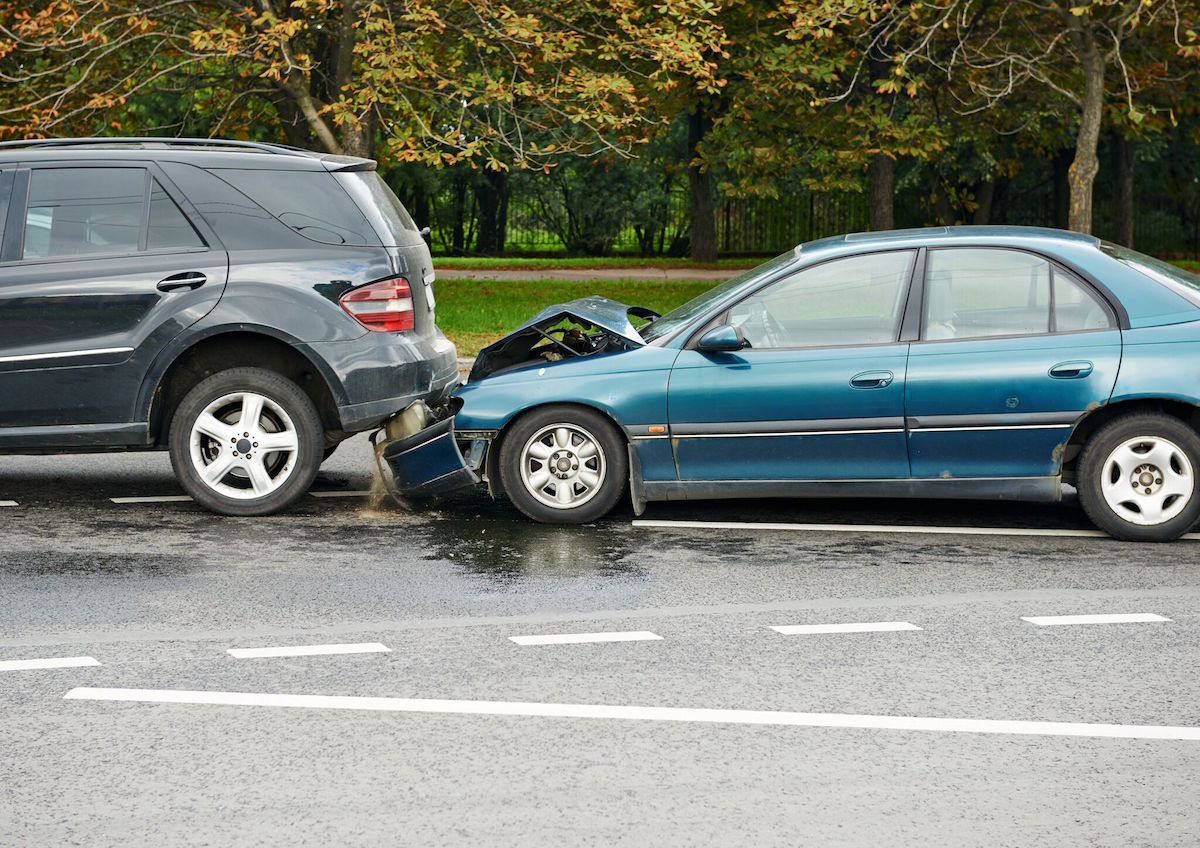
In North Carolina, you are generally allowed to seek the full, fair market value of your property that was damaged by someone else's negligence. For vehicles, that can include two parts. First is the cost to repair the damage. Second is diminished value: the drop in what a willing buyer would pay for your car after the wreck compared with before, even though the repairs were done correctly. For example, if a serious rear-end crash in High Point leads to frame repairs, a clean pre‑wreck car might have sold for one amount, while the same car with an accident history sells for less. That difference can form the basis of a diminished value claim against the at‑fault driver's insurance, if you can prove it.

02

Types of diminished value you may hear about

Insurance professionals sometimes use different labels for diminished value. Immediate diminished value refers to the reduction in value right after the collision but before repairs. Inherent diminished value is the loss that remains even after quality repairs, mostly because of the stigma of a prior crash and concerns about long‑term reliability. In most everyday North Carolina claims, what people are really pursuing is inherent diminished value. Repair-related diminished value is another concept that can arise if the repairs themselves are substandard, but that is usually treated as a separate quality‑of‑work issue with the repair shop or insurer. When you speak with an attorney or adjuster, ask which type they are discussing so you are clear about what is (and is not) on the table.

03

When North Carolina law generally allows diminished value claims

North Carolina law typically allows a diminished value claim when someone else's negligence damaged your car, you were not at fault, and you can prove that the vehicle is worth less after proper repairs. Diminished value is usually sought from the other driver's property damage liability coverage, not from your own collision coverage. Claims tend to be stronger for newer vehicles, higher‑value models, or cars with a documented history of being in excellent condition before the accident. Older vehicles with high mileage or pre‑existing damage can still lose value, but the gap may be smaller and harder to document. If you carry only liability insurance and were at fault yourself, you likely cannot claim diminished value from your own insurer under a standard policy.

Decision guide

Deciding whether to pursue a diminished value claim in High Point

Not every crash justifies the time, energy, and expert costs of a diminished value claim. Thinking through these questions can help you decide whether to press forward on your own, bring the issue up during an injury claim, or get a lawyer involved for a closer look.

01

Key questions to ask before spending time and money

Before you invest significant time, or possibly pay for an expert appraisal, pause and work through a few practical questions. How old was your vehicle at the time of the High Point crash, and how many miles were on it? Newer, low‑mileage cars tend to have clearer diminished value. How severe was the structural damage? Cosmetic repairs usually lead to smaller claims than frame or airbag‑related repairs. Do you have repair invoices and photographs from before and after the wreck? That documentation will matter. Is the at‑fault driver's insurer already disputing basic issues like fault or the cost of repairs? If so, expect them to resist diminished value, too. Honest answers to these questions will help you and any attorney decide whether a claim is worth pursuing.

02

How diminished value fits into an injury claim

If you were hurt in the crash, diminished value should be viewed alongside your medical bills, lost income, and pain and suffering. In many High Point cases, the injury claim is the main focus and the property damage issues, including diminished value, are addressed during negotiations. A firm like Roane Law, which represents injured people and families in car accident cases on a contingency fee, can explain how your vehicle's lost value might be considered as part of a broader settlement discussion. When you meet with an attorney, ask how they handle property damage questions, whether they give you guidance on negotiating directly with the adjuster, and whether they will raise diminished value during talks about resolving the entire case.

03

What to do now if you think your car has lost value

If you suspect your repaired vehicle is worth significantly less after your High Point crash, start preserving proof right away. Save all repair estimates, final invoices, and photographs of the damage. Gather records showing the vehicle's condition before the collision, such as maintenance records, mileage, and any recent appraisal or sale listings for similar cars in the area. Get a copy of the police report and your insurance declarations page. Then, document current market value by collecting listings for comparable vehicles or, if the potential claim is large, considering a professional appraisal from someone familiar with North Carolina diminished value work. Finally, calendar the three‑year North Carolina deadline for property damage claims so you do not lose your rights by waiting too long to act.

04

When getting a lawyer involved may make sense

For relatively small property damage-only crashes, High Point drivers sometimes negotiate diminished value directly with the at‑fault insurer using online research and any appraisal they obtain. However, if the crash left you injured, the damages are substantial, or the insurer is disputing basic facts, you may benefit from legal help. A personal injury firm such as Roane Law focuses on representing injured plaintiffs, not insurers, and can analyze how your diminished value claim interacts with medical and wage-loss issues. During a free consultation, you can ask how often the firm addresses diminished value in car crash cases, whether it will be included in demand letters or settlement talks, and what you can realistically expect based on your evidence and the insurer involved.

Evidence and expectations
PROOF

Why injured drivers across the Piedmont turn to Roane Law

Diminished value is often just one piece of a much larger problem: serious injuries, medical bills, and lost income. Roane Law is a Greensboro-based personal injury firm that focuses on representing injured people and families throughout the Piedmont, including High Point.

Client-focused support during a stressful process

One five-star Google review describes how Roane Law's team handled a client's case from start to finish with care and persistence. The reviewer highlights that attorney James Roane and paralegal Brittani Earnhardt worked very hard to secure a favorable settlement, ensured that all medical bills were paid, and even resolved a lien that had been filed against any recovery. The client reports that the settlement was nearly three times higher than expected and praises James as brilliant, warm, and genuinely caring. For someone in High Point facing a serious crash, that kind of attentive, detail‑oriented support can matter just as much as the legal outcome.

Professionalism and dedication recognized by past clients

Another five-star Google review notes that when the reviewer and their family needed a great attorney after an accident and injury, they found one in James Roane. The client emphasizes the professionalism, courtesy, and empathy shown by the entire team throughout the process. They single out team member Kerri as a "lifeline" who helped keep everything moving smoothly. The reviewer says James went above what was necessary, calls him a fine gentleman, and now recommends the firm whenever they hear about someone dealing with an accident and injury. For High Point residents weighing whether to ask for legal help after a wreck, real-world feedback like this can provide reassurance about the firm's approach to client care.

Trial-tested experience across the Piedmont

Roane Law is led by plaintiff-only trial lawyers with jury verdicts in every Piedmont county, along with wins before the North Carolina Court of Appeals and Supreme Court. The firm has secured multimillion-dollar recoveries in complex cases and emphasizes that it represents injured people and families, not insurance companies. That trial-tested background can influence how your case is evaluated and negotiated, including how issues such as vehicle damage and diminished value are framed in discussions with insurers. If you were hurt in a High Point crash, asking about the firm's courtroom experience and past results can help you understand how they approach both settlement and litigation.

Business photo
Greensboro, NC

What High Point drivers specifically should watch for

High Point drivers deal with a mix of interstate traffic, busy local routes, and growing neighborhoods. That reality affects both how crashes happen and how diminished value claims play out. Vehicles used for regular commuting along corridors linking High Point, Greensboro, and Winston-Salem often rack up higher mileage, which can shrink a diminished value claim unless the car was relatively new or had low miles at the time of the wreck. On the other hand, late-model sedans, SUVs, and trucks popular around High Point's neighborhoods and job centers can take a steep hit in resale value after a major crash shows up on a history report. Because Roane Law is based nearby in Greensboro and handles serious wrecks throughout the Piedmont, including High Point, the firm can address property damage questions as part of an overall injury claim. As you weigh next steps, ask how a potential attorney evaluates diminished value for accidents happening specifically in High Point and surrounding communities, how often they negotiate with the insurers involved in your case, and whether they fold this issue into settlement discussions rather than leaving it for you to chase on your own.

Owner or team photo
Questions worth asking

Diminished value in High Point, NC: common questions

Drivers often hear about diminished value only after a stressful crash. These questions dig into issues that are not always obvious from the insurance paperwork.

Can I pursue a diminished value claim in High Point if my car was leased?

Possibly. In some situations, a diminished value claim can be made even when the damaged vehicle is leased rather than owned outright, because the loss in market value may still affect what is owed or what the lessor expects at the end of the lease term. However, the lease agreement and the insurance policies involved control how this works. Some leases assign property damage and insurance rights to the leasing company, while others may leave more room for the driver to act. Before pursuing diminished value on a leased car in High Point, have an attorney or knowledgeable professional review your lease contract, your own policy, and the at‑fault driver's coverage to see whose name must be on any claim.

Does my own collision coverage pay diminished value after a High Point crash?

Standard collision coverage is designed to pay for reasonable repairs or the actual cash value of your vehicle if it is totaled, subject to your deductible. It typically does not include diminished value for an at‑fault driver under your own policy, unless there is specific language providing that benefit. North Carolina drivers who are not at fault usually pursue diminished value from the other driver's liability coverage instead. Because policy language varies, you should review your declarations page and the full policy or ask your agent to confirm in writing whether diminished value is excluded or limited. An attorney can also help you interpret how your coverage interacts with any claim you may have against the at‑fault driver.

How is diminished value usually calculated in North Carolina?

There is no single formula that North Carolina law requires insurers to use for diminished value, but several factors commonly come into play. Appraisers and adjusters typically start with the vehicle's pre‑accident market value, then consider the severity and type of damage, the quality and completeness of repairs, the age and mileage of the car, and comparable sales data. Some insurers rely on internal formulas or software to generate a number, while vehicle owners may seek an independent appraisal from someone experienced in North Carolina diminished value work. Because methods can differ, you may see competing valuations. If the gap is large and the overall claim is significant, an attorney can help you weigh whether to push back using better documentation or expert support.

What deadlines apply to diminished value claims after a High Point wreck?

In North Carolina, property damage claims, including diminished value, are generally subject to a three‑year statute of limitations measured from the date of the accident. Missing that deadline can bar you from recovering for vehicle-related losses, even if your evidence is strong. That said, you do not want to wait until the last minute. Evidence such as repair records, photographs, and witness memories can become harder to gather as time passes. Additionally, insurers have their own internal deadlines for reporting accidents and making claims. After a High Point crash, it is wise to notify the relevant insurers promptly, preserve all documentation, and speak with a lawyer well before the three‑year mark if you believe the diminished value is significant.

Can I handle a small diminished value claim on my own?

Many High Point drivers with uncomplicated, lower‑dollar crashes try to address diminished value directly with the at‑fault driver's insurer. You can gather repair invoices, your vehicle's pre‑accident information, and examples of comparable listings to support your position. You might also request a written explanation if the insurer denies diminished value outright. For smaller amounts, hiring an appraiser or attorney may not be cost‑effective. However, if the vehicle was high‑value, the damage was substantial, or you are also dealing with serious injuries, it often makes sense to at least consult an attorney to understand your rights and how this issue should be woven into a larger claim.

Owner or team photo
Your next step

Want a local attorney to review your High Point crash?

If your High Point accident left you with injuries and a vehicle that is now worth less than it was before the wreck, you do not have to sort out North Carolina's rules alone. Roane Law focuses on representing injured people and families across the Piedmont, not insurance companies. The firm offers free consultations and works on a contingency fee, so attorney fees are collected only if compensation is recovered. To talk through your injuries, your vehicle damage, and whether diminished value should be part of your claim, you can call (336) 617-6125 or reach out through the contact form at roane-law.com.