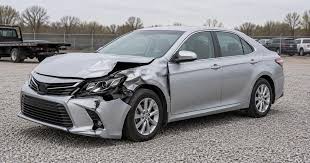
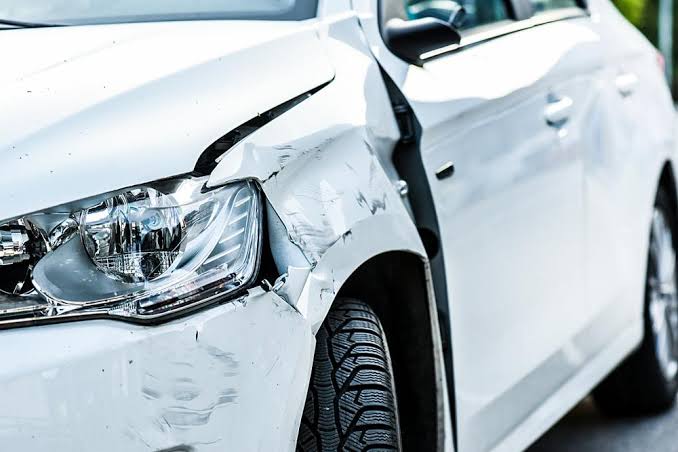
Business photo
After a serious wreck in Winston-Salem

Who Pays Towing and Storage Fees After a Serious Car Accident in Winston-Salem, NC?

Your car is gone on a tow truck, you are facing injuries, and no one has given you a straight answer about who pays the growing bill at the tow yard. This guide explains how North Carolina law and insurance usually treat towing and storage fees, what you can do in the first few days to keep costs under control, and how an experienced injury firm based in the Piedmont can make sure these charges are part of your overall recovery,not a surprise debt in your name.

The short answer

What matters most

In North Carolina, including Winston-Salem, the vehicle owner is usually on the hook for towing and storage charges at first, because the tow company's contract is with whoever owns or controls the vehicle. However, if another driver is at fault, those towing and storage fees are typically claimed back from that driver's property damage liability insurance, or from your own collision coverage if you choose to go through your insurer. If fault is disputed, the car was impounded, or the other driver is uninsured or fled the scene, bills can sit in your name until liability and coverage are sorted out. Acting quickly to move the vehicle, coordinate with insurers, and get legal advice can prevent storage fees from snowballing and help push the responsible insurer to pay its fair share.

01Towing and storage charges usually fall on the vehicle owner at first, but in North Carolina they are typically recoverable from the at-fault driver's property damage liability coverage or your own collision coverage.↗
02Where your vehicle is taken after a Winston-Salem crash, and how long it stays there, directly affects how large the towing and storage bill becomes, so early phone calls matter.↗
03Police-arranged rotation tows are common after serious wrecks; you may not choose the initial tow yard, but you can often move the vehicle later to control ongoing storage costs.↗
04Insurance companies look at towing and storage as part of the overall property damage claim, and they may dispute extended storage as "unreasonable" if they think you or your insurer could have acted sooner.↗
05In serious injury cases, a North Carolina personal injury firm can help coordinate inspections and vehicle movement, document towing and storage as part of your damages, and push insurers to pay their fair share while you focus on healing.↗
Business photo
A visual pause

Understanding towing and storage charges after a serious crash

A useful way to think about it

Understanding towing and storage charges after a serious crash

Towing and storage bills often feel like an insult on top of serious injuries and lost income. Yet how you handle those charges in the first few days after a Winston-Salem wreck can make a real difference. Here is what those fees include, how fault affects who pays, and what steps help protect you financially under North Carolina law.

01

What towing and storage fees actually cover

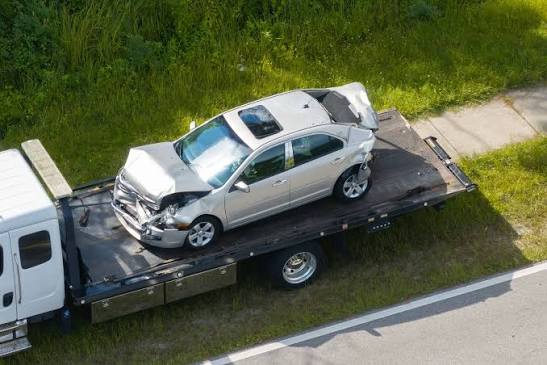
Right after a serious wreck in Winston-Salem, a tow truck may arrive before you have had time to think. Hours or days later, you are looking at a bill that seems to grow every 24 hours. Those charges usually break down into a few main pieces: the tow from the crash scene to the lot, possible mileage or after-hours fees, and daily storage while your car sits behind a fence. There may be separate line items for winching a car out of a ditch, cleaning debris, or using special equipment. North Carolina law allows towing companies to assert a lien on the vehicle for these reasonable charges, which means they do not have to release the vehicle until someone pays or arrangements are worked out. Understanding that structure helps you see why time really does equal money once your car is at the lot.

02

At the scene: how your decisions affect the bill

If you are conscious and able to speak at the scene, the officer or the towing company may ask where you want your vehicle taken. You often have a choice: straight to a body shop you trust, to your driveway, or to a storage lot used by law enforcement. If you cannot decide or are taken by EMS to the hospital, police generally call a rotation tow company that takes your car to its lot. In a serious Winston-Salem crash, your first priority is medical care, but if you or a family member can safely do so, asking the officer for the tow company's name, location, and a business card from the driver can save headaches later. If you already know which insurer you plan to go through, you can also ask whether they have preferred shops or procedures before authorizing a tow to a particular location, so you are not paying to move the car twice.

03

How fault and North Carolina insurance rules shape who pays

In most serious wrecks, the long-term question is not just who physically pays the tow yard, but whose insurance should reimburse towing and storage. Under North Carolina law, the at-fault driver's property damage liability coverage is generally responsible for reasonable towing and storage linked to the crash. If you were rear-ended at a light in Winston-Salem and your car was disabled, you would typically pursue those fees from that driver's insurer as part of your property damage claim. Many people instead open a claim under their own collision coverage; your insurer may pay towing and storage more quickly, then seek reimbursement from the at-fault insurer later. Things get more complicated if fault is disputed, more than one driver may share blame, or the other driver is uninsured or underinsured. In those situations, an attorney can help you sort out whether uninsured motorist property damage coverage or another policy can be pushed to pick up the tab.

Decision guide

Planning your next steps on towing, storage, and your claim

Once the car is already at a lot and the bills are running, you need a clear plan. Use this section to decide what to ask insurers and the tow yard, when to bring in an attorney, and how a focused injury team can fold these costs into a larger claim for your medical bills, lost wages, and pain.

01

Key calls to make in the first 24-48 hours

Once you are safe and have attended to immediate medical needs, it is wise to make a short list of calls related to towing and storage. First, contact the tow yard to confirm where your car is, what the current bill is, the daily storage rate, their hours, and what is required to release personal items from the vehicle. Ask them to fax or email an itemized statement. Second, call the insurance company whose coverage you intend to use, whether that is your own or the other driver's. Ask explicitly whether they will cover towing and ongoing storage, how soon an adjuster can inspect the vehicle, and whether they will pay to move the vehicle to a different lot or body shop. Third, if injuries are serious, consider calling a personal injury lawyer to review the crash as a whole; they can often step in to coordinate timing so storage does not quietly drain money you may never get back.

02

When it makes sense to involve an attorney

Not every fender bender justifies hiring a lawyer to argue over a tow bill. But in serious Winston-Salem crashes involving hospital care, surgery, or long-term time away from work, towing and storage are just one piece of a much larger claim. An attorney who regularly handles North Carolina car accident cases can look at the entire situation: liability disputes, multiple vehicles, questions about whether a vehicle is totaled, and how quickly insurers are acting. If the at-fault carrier is ignoring your calls while storage fees rise, a lawyer can formally demand prompt inspection or release, document those fees as part of your damages, and protect your right to full compensation. They can also help you weigh whether to go through your own collision coverage to stop the bleeding, while preserving your ability to pursue the negligent driver's insurer for everything you have lost.

03

How Roane Law approaches towing and storage in serious injury cases

Roane Law focuses on serious injury and wrongful death cases arising from crashes across the Piedmont, including Winston-Salem. In those matters, towing and storage rarely stand alone; they are part of a web of losses that can include totaled vehicles, medical expenses, lost wages, and long-term disability. When the firm takes on a case, the team works to gather records from tow yards and body shops, confirm what was charged and why, and present those figures as part of the property damage and overall injury claim. They can communicate directly with insurers about moving or releasing vehicles so fees do not balloon while adjusters drag their feet. Because the firm handles cases on a contingency-fee basis with a free initial consultation, people who have already been hit with towing and storage bills can talk with an attorney about their situation without adding yet another upfront cost to an already stressful time.

04

How your own insurance coverage affects towing and storage

Your personal auto policy may treat towing and storage fees in several different ways, depending on the coverage you purchased. Some policies include separate roadside assistance or towing coverage, which can pay for the initial tow regardless of fault. Collision coverage may also pick up towing and storage for a damaged vehicle if you file a claim with your own insurer. However, deductibles and coverage limits apply, and not every policy automatically covers extended storage at a private lot. The fine print can matter a great deal if your car sits for weeks while liability is sorted out. Asking your adjuster to point you to the language in your policy that governs towing and storage, and to confirm in writing what they will pay, can prevent unpleasant surprises. If the answer seems unclear or unfair, legal counsel can review the policy and push for a more accurate application of its terms.

Evidence and expectations
PROOF

Why many injured North Carolinians trust Roane Law

Towing and storage fees are small compared with life-changing injuries, but they are part of a bigger picture: getting you back on your feet without being buried in bills. These experiences and results show how Roane Law approaches complex, high-stakes cases for crash victims and their families.

Client review: more than expected from a settlement

One former client described how the attorney and paralegal team at Roane Law worked to secure a result that substantially exceeded their expectations. In that review, the client shared that James Roane and his paralegal "worked very hard to get the most favorable settlement" and ensured all medical bills were paid, including one provider who had filed a lien. The client ultimately received nearly three times more than expected. That kind of thorough approach to every dollar of loss,medical charges, liens, and other expenses,illustrates how the firm treats financial details that might otherwise be overlooked.

Client review: professional, empathetic, and dedicated support

Another injured person wrote about facing a deeply stressful time and finding strong support through Roane Law. They described James Roane as "a true blessing" to their family and praised the entire team for being professional, courteous, and empathetic throughout a difficult process. A paralegal was described as a "lifeline" who kept everything running smoothly. The client emphasized that the attorney went "above what was necessary" and that they now refer friends and acquaintances to the firm whenever they hear about an accident and injury. That level of trust speaks to how the firm guides people through every aspect of a claim, big and small.

Trial-tested experience across the Piedmont

Roane Law is led by plaintiff-only trial lawyers who have taken cases to juries in every Piedmont county, with multimillion-dollar recoveries and arguments before the North Carolina Court of Appeals and Supreme Court. That breadth of experience matters in serious crash cases originating in Winston-Salem, where disputed liability, multiple vehicles, or complex injuries can easily push a claim toward litigation. A firm that prepares cases as if they may be tried is positioned to document not only major medical and wage losses, but also "smaller" items such as towing and storage that insurers might undervalue or ignore. That level of preparation can strengthen your negotiating position and help protect your financial recovery.

Business photo
Greensboro, NC

What Winston-Salem drivers need to know specifically

A serious wreck in Winston-Salem can involve city police, the Forsyth County Sheriff's Office, or the Highway Patrol, and each may have its own rotation list for tow companies. That means your vehicle might be hauled to a lot you did not choose, possibly on the other side of town or even outside the city. The daily storage rate at that facility, the time it takes the insurer to inspect your vehicle, and how quickly you authorize a move or release can have a direct impact on your out-of-pocket exposure. If you live in the Winston-Salem area but your case is being handled by a firm based in Greensboro, you may wonder whether distance will slow things down. Questions worth asking include whether the firm regularly handles Forsyth County crashes, how they coordinate with local tow yards and body shops, and whether they can help you push insurance adjusters to inspect or move the vehicle promptly. Getting clear answers on those practical issues can make dealing with towing and storage smoother, even while you focus on your medical recovery.

Owner or team photo
Questions worth asking

Common questions about towing and storage after Winston-Salem crashes

Below are answers to questions Winston-Salem crash victims often have once they realize their car is sitting in a tow yard and the bills are adding up, on top of medical treatment and missed work.

Can I choose my own towing company or body shop after a Winston-Salem crash?

Often you can, but your options depend on the circumstances. If police respond to a serious crash and you are unable to direct them, they will usually call a rotation tow company to clear the scene quickly. If you are conscious and it is safe to do so, you can ask whether you may call a tow company of your choice or request that the vehicle be taken to a specific body shop or your home. Your insurance company may also have preferred repair facilities, which can speed inspections and payments. However, you generally are not required to use a particular shop just because an insurer suggests it. Before making a decision, you can ask the insurer whether they will pay for moving the car if you later change shops.

What if my car was towed while I was unconscious or already at the hospital?

This situation is very common after serious wrecks. If you were transported from the scene, law enforcement will usually arrange towing for you. Your vehicle may end up at a private storage lot, a tow yard under contract with the city or county, or another facility on a rotation list. When you or a family member is able, contact the Winston-Salem Police Department, Forsyth County Sheriff's Office, or Highway Patrol, depending on who handled the crash, to ask where the vehicle was taken and get the tow company's contact information. Once you find the vehicle, you can request an itemized bill, retrieve personal belongings, and decide whether to move the car to a different location to reduce storage charges. An attorney can help with these calls if you are not yet well enough to handle them yourself.

Do I have to pay storage fees before the insurance company finishes its investigation?

Tow yards in North Carolina typically expect payment or satisfactory arrangements before they will release a vehicle, regardless of whether an insurer has completed its investigation. That means charges can continue to accrue while adjusters review records, assign fault, or debate whether the car is a total loss. In some cases, your own insurer may step in quickly to pay or guarantee storage so the car can be moved, then pursue reimbursement from the at-fault carrier later. In others, an attorney may push the insurer to inspect the vehicle promptly or authorize movement to a lower-cost facility. You should not assume the tow yard will wait just because an insurance company is still deciding what to do; asking both parties in writing how they intend to handle ongoing storage can help protect you.

Can I get towing covered if I was driving a rental car or borrowed vehicle?

Towing and storage can be more complicated when the damaged vehicle is a rental car or belongs to someone else. The rental agreement, the rental company's insurance, your own auto policy, and the at-fault driver's liability coverage may all play a role. In some situations, the rental company's policy handles towing and storage for its fleet. In others, your personal policy or the at-fault driver's property damage coverage may be expected to cover those costs. If you were in a borrowed vehicle owned by a friend or family member, their policy might be primary for the vehicle damage, including towing and storage, with your policy or the at-fault driver's coverage also in the mix. Because the contracts can be dense, it can be helpful to have a lawyer review the documents and clarify who should be paying which charges.

How long will insurance usually pay for storage after a North Carolina accident?

Policies and practices vary, but insurers generally agree to pay storage for a reasonable time while they have a fair opportunity to inspect the vehicle and make a decision about repairs or total loss. That might mean several days from the date of the wreck, or a bit longer if weekends, holidays, or delays in getting the police report slow things down. However, insurers often push back on paying for extended storage if they believe you could have allowed the vehicle to be moved or authorized a release sooner. To protect yourself, keep written records of your conversations with adjusters about inspections and movement of the vehicle, and ask them explicitly how many days of storage they will cover. If they delay unreasonably or refuse to pay for time their own inaction caused, an attorney can help you challenge that decision.

Owner or team photo
Your next step

Talk with a North Carolina injury lawyer about your towing, storage, and injury claim

If you were seriously hurt in a Winston-Salem crash, towing and storage fees should not become one more crisis you face alone. They are part of your overall damages, and how they are handled can affect both your finances and your case. Roane Law focuses on representing injured people and families across the Piedmont in car and truck collisions, wrongful death, and other serious injury matters. You can start with a free consultation, where an attorney will review your crash, your injuries, and the bills piling up, and then explain your options under North Carolina law. Call (336) 617-6125 or visit roane-law.com to schedule a conversation and get practical, clear guidance on your next steps.