Business photo
Winston-Salem weather, wet roads, and injury claims

Can a Driver Be Held Responsible for Hydroplaning and Causing a Crash in Winston-Salem, NC?

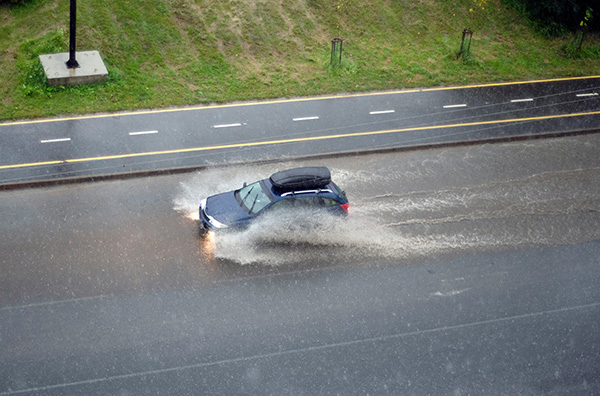
Rainy I‑40 or U.S. 52 traffic, standing water on Peters Creek Parkway, and suddenly a car slides out of control. Many drivers assume "hydroplaning" means no one is at fault. North Carolina law is more complicated. This page walks through when a hydroplaning driver may still be legally responsible, how fault is investigated, and what that could mean for your medical bills and lost income after a Winston-Salem crash.

The short answer

What matters most

Yes. In Winston-Salem and across North Carolina, a driver can be held legally responsible for a hydroplaning crash if they failed to use reasonable care for the weather and road conditions. Hydroplaning itself is not an automatic excuse. Investigators and insurers look at factors such as speed in the rain, following distance, worn tires, sudden lane changes, and whether the driver knew about standing water in the area. If their choices made loss of control more likely, they may be liable for your injuries and losses. Because North Carolina's contributory negligence rule can bar recovery if you are found even slightly at fault, it is wise for an injured person to have an experienced North Carolina personal injury attorney review the facts and evidence as soon as possible.

01Hydroplaning itself does not excuse a driver from responsibility; North Carolina law still requires careful driving in rain and standing water.↗
02Fault in a Winston-Salem hydroplaning crash turns on details such as speed, tire condition, following distance, and driver choices before the skid.↗
03Evidence about road conditions, vehicle damage, witness accounts, and electronic data should be preserved quickly before it disappears.↗
04North Carolina's contributory negligence rule means even small accusations of fault against you can threaten your ability to recover damages.↗
05A Piedmont‑based plaintiff's firm like Roane Law can review your hydroplaning crash in a free consultation and explain your legal options under state law.↗
Business photo
A visual pause

How hydroplaning happens and how fault is evaluated

A useful way to think about it

How hydroplaning happens and how fault is evaluated

Understanding what hydroplaning is - and how North Carolina negligence law works - makes it easier to see whether another driver might be responsible for your Winston-Salem crash.

01

What hydroplaning actually is

Hydroplaning happens when a layer of water builds up between your tires and the road so quickly that the tread cannot channel it away. At that moment, the tire can lose direct contact with the pavement and start to ride on the water itself, much like a surfboard. Steering and braking become far less effective, and a vehicle may skid, spin, or slide into another lane or off the roadway. Conditions that make hydroplaning more likely include higher speeds on wet pavement, deeper standing water, underinflated or worn tires, and quick movements such as sharp turns or hard braking. In heavy Winston-Salem rain, that can mean trouble on multi‑lane highways as well as neighborhood streets with poor drainage.

02

Weather versus negligence under North Carolina law

North Carolina does not treat every bad‑weather crash as a blameless "act of God." Drivers still have a legal duty to use reasonable care in light of the conditions they face. That means slowing down below the posted limit if visibility is poor or water is pooling, leaving more space between vehicles, using headlights, and avoiding quick lane changes or sudden braking in deep water. If a driver chooses not to adjust for the weather and loses control, that decision can be considered negligence. In a hydroplaning claim, insurance companies and courts look closely at how the driver behaved in the minutes before the skid, not just at the fact that it was raining.

03

Common driver mistakes that can lead to liability

In many hydroplaning wrecks, a closer look reveals avoidable choices. A driver may have set cruise control too high for a downpour on I‑40, followed too closely in stop‑and‑go traffic near downtown Winston-Salem, or tried to pass several cars at once in water‑covered lanes. Others ignore worn tires or bald spots that greatly increase the risk of losing traction on wet pavement. Some drivers are distracted by a phone and fail to see standing water early enough to adjust. Any of these actions can support a claim that the driver did not act reasonably for the conditions and should be held responsible for the injuries and damage that followed.

Decision guide

Turning a hydroplaning wreck into a clear legal plan

Once emergency care and basic reporting are handled, injured people around Winston-Salem often want to know what comes next and how to protect their rights under North Carolina law.

01

Protecting your health and documenting symptoms

After any hydroplaning crash, especially one involving a sudden spin or side impact, your body absorbs forces that are not always obvious right away. In Winston-Salem, many people try to tough it out and delay seeing a doctor, only to find days later that neck, back, or head pain has worsened. From both a medical and legal standpoint, prompt evaluation matters. Tell providers exactly what happened, that the wreck involved a loss of control on wet pavement, and all of your symptoms, even if they seem small. Keep copies of discharge instructions, imaging reports, prescriptions, and follow‑up referrals. These records form the backbone of any injury claim and help an attorney connect your condition to the crash.

02

Gathering and preserving hydroplaning evidence

Evidence of how and why a vehicle hydroplaned can disappear quickly. Rainwater drains away, skid marks fade, and damaged cars are towed to storage lots. As soon as it is safe, try to take photos or ask someone you trust to do it: water on the road, tire marks, vehicle positions, nearby traffic signs, and any visible defects in the pavement. Save dash‑cam footage if you have it. Get contact information for witnesses who saw the driver's speed or behavior beforehand. An attorney can move fast to secure police body‑cam video, 911 recordings, electronic vehicle data, and maintenance records that may show issues such as worn tires or ignored mechanical problems. The more detail preserved early, the clearer the fault picture becomes.

03

Navigating North Carolina's contributory negligence rule

North Carolina's contributory negligence rule makes hydroplaning cases particularly sensitive. If an insurance company convinces a jury that you were even slightly at fault - for example, by arguing that you were also speeding or following too closely - you could be barred from recovering damages. After a Winston-Salem crash, insurers may comb through your statement, social media posts, and medical records searching for anything they can use to argue shared blame. Before giving a detailed recorded statement or signing broad medical releases, it can be wise to speak with a lawyer who represents injured people only. They can help you communicate clearly without accidentally accepting responsibility you do not legally bear.

04

Deciding whether to call an attorney after a hydroplaning crash

Not every wet‑road fender‑bender requires legal help. But if you suffered serious injuries, weeks of missed work, or a possible permanent condition, a consultation with an experienced injury lawyer can be valuable. A firm like Roane Law, based in Greensboro and focused on representing plaintiffs across the Piedmont, can examine the crash report, photographs, and medical records to assess whether another driver or entity may be legally responsible. They can explain deadlines, potential insurance sources, and how a claim might affect you and your family. Because the firm offers free consultations and contingency‑fee representation for injury and wrongful death cases, you can ask questions and weigh your options without paying upfront fees.


Evidence and expectations
PROOF

What sets this Piedmont injury firm apart

If you decide to talk with an attorney about a hydroplaning crash, you will want to know who is in your corner and what real clients have experienced.

Plaintiff‑only trial experience across the Piedmont

Roane Law is dedicated to helping injured individuals and families, not insurance companies. The lawyers focus their work on representing plaintiffs in serious injury, wrongful death, workers' compensation, and related cases throughout North Carolina. Over the years, the firm's attorneys have taken cases to juries in every Piedmont county and have argued appeals before the North Carolina Court of Appeals and Supreme Court. That breadth of courtroom experience can matter in a hydroplaning case, where disputes over speed, weather, and fault may require presenting complex evidence and expert testimony in a clear, convincing way.

Multimillion‑dollar results and complex case work

Hydroplaning crashes can lead to spinal injuries, traumatic brain injuries, and other life‑altering harm. Handling claims of that magnitude demands comfort with high‑stakes litigation. Roane Law has secured multimillion‑dollar recoveries in serious injury and wrongful death matters, demonstrating its ability to develop evidence, work with experts, and stand firm during tough negotiations and trial. While no past result guarantees any future outcome, these experiences show that the firm is prepared to handle complex cases in which liability is contested and insurers invest significant resources to avoid paying full value.

Client reviews highlighting care and persistence

Former clients have described their experiences with Roane Law in detailed online reviews. One person praised attorney James Roane and paralegal Brittani Earnhardt for working hard to secure a settlement that significantly exceeded expectations, noting that all medical bills were addressed, including a lien. Another client shared that James Roane and his team were professional, empathetic, and supportive during a stressful time, and singled out staff member Kerri as a steady, helpful presence. These accounts suggest a combination of legal skill and personal attention that many people want when they are trying to recover from a serious wreck.

Business photo
Greensboro, NC

Why Winston-Salem location details matter in a hydroplaning case

Hydroplaning wrecks in and around Winston-Salem rarely occur in a vacuum. The places people drive every day - I‑40 Business, U.S. 52, Silas Creek Parkway, University Parkway, and neighborhood cut‑throughs - all have their own drainage quirks, traffic patterns, and construction zones. Those details can change how a claim is investigated. For example, recurring pooling near a particular exit, active road work, or prior crashes at the same spot can affect whether fault rests only with a driver or may involve additional parties such as a government entity or contractor. A firm like Roane Law, which has tried cases in every Piedmont county, can use that regional experience while still focusing on what happened in your specific wreck. When you speak with an attorney, bring any notes about the exact location, lane, landmarks, and weather so the investigation can start in the right place.

Business photo
Questions worth asking

Hydroplaning accident questions from Winston-Salem drivers

People hurt in wet‑weather crashes tend to ask similar follow‑up questions once they learn that hydroplaning does not automatically remove fault. Here are answers to some of the most common concerns.

Is every hydroplaning accident in Winston-Salem considered no one's fault?

No. Hydroplaning does not automatically make a crash fault‑free. In North Carolina, the key question is whether a driver used reasonable care for the conditions. If they drove too fast for the rain, followed too closely, ignored worn tires, or made unsafe maneuvers through standing water, they may still be legally responsible for the collision. Only in rare situations, such as a truly unforeseeable and unavoidable loss of control, might a crash be treated as something no one could reasonably have prevented. A detailed investigation is usually necessary before anyone can say whether a particular hydroplaning wreck is "no fault."

What if both drivers were going too fast for the wet roads?

If both drivers contributed to the crash by speeding or driving carelessly in the rain, North Carolina's contributory negligence rule can create serious challenges. If an insurer or jury decides you were even slightly negligent, you may be barred from recovering compensation from the other driver. At the same time, you could still face a claim against you. Because of this, it is critical not to assume you will automatically receive payment just because the other car hydroplaned. Having an attorney examine the facts, weather reports, and any available data (such as vehicle speed information) can help clarify your position.

How long do I have to bring an injury claim after a hydroplaning crash?

In most North Carolina car accident cases, you generally have three years from the date of the crash to file a lawsuit for personal injuries and two years to file a wrongful death claim, though specific circumstances can change how these deadlines apply. Waiting too long can make it harder to locate witnesses, preserve vehicle data, or document the road conditions that existed the day of the wreck. Speaking with a personal injury lawyer well before these time limits expire allows more room to investigate, negotiate with insurers, and decide whether filing suit is appropriate in your case.

Can road design or maintenance issues play a role in a hydroplaning case?

Yes, sometimes the condition or design of the roadway contributes to hydroplaning. Poor drainage, deep ruts, or uneven surfaces can allow dangerous pools of water to form. In those situations, there may be questions about whether a government agency or contractor bears some responsibility. These claims are complicated and subject to strict notice and procedural rules, especially when public entities are involved. If you believe a specific road defect played a major role in your Winston-Salem crash, bring photos, location details, and any prior complaints you know of to your attorney so they can explore whether additional parties should be investigated.

What will it cost to have Roane Law review my hydroplaning accident?

Roane Law offers free initial consultations for people injured in car crashes, including hydroplaning wrecks around Winston-Salem. During that meeting or call, an attorney can review the facts you have, such as the crash report and medical records, and discuss whether a claim is worth pursuing. If the firm accepts your case, representation in personal injury and wrongful death matters is provided on a contingency‑fee basis. That means attorney fees are collected only if there is a financial recovery through a settlement or verdict. Specific fee percentages and case costs are explained after the firm has evaluated your potential claim.

Owner or team photo
Your next step

Talk with a North Carolina injury lawyer about your hydroplaning crash

If a hydroplaning driver in or around Winston-Salem left you with medical bills, missed paychecks, or long‑term pain, you do not have to sort out fault and insurance on your own. Roane Law offers free, no‑obligation consultations for injured people and grieving families throughout the Piedmont. You can speak directly with a plaintiff‑side trial lawyer about what happened, what the records show so far, and what options you might have under North Carolina law. The firm handles personal injury, wrongful death, workers' compensation, and related claims on a contingency‑fee basis, which means attorney fees are collected only if there is a financial recovery. To schedule a conversation, call (336) 617-6125 or reach out through the contact form at roane-law.com.