Business photo
Thomasville, NC car accident guidance

Who Is Responsible When a Driver Has a Sudden Medical Emergency and Causes an Accident in Thomasville, NC?

If you were hit by a driver who blacked out, had a seizure, or suffered another medical crisis behind the wheel, you are left with serious injuries and a hard legal question: who pays when the at‑fault driver says they "couldn't help it"? This guide explains how North Carolina treats accidents caused by sudden medical emergencies, what evidence matters most, and how an experienced trial team can help you sort out responsibility while you focus on healing.

The short answer

What matters most

In North Carolina, a driver who has a sudden, unforeseeable medical emergency and loses control may argue that they are not legally at fault for the resulting crash. However, that defense is narrow and does not apply simply because the driver became ill. If the driver knew or should have known they had a condition that made it unsafe to drive, ignored warning symptoms, skipped prescribed treatment, or drove against medical advice, they can still be held responsible. For a Thomasville accident victim, this usually means a careful investigation into the driver's medical history, driving record, and the moments leading up to the collision. Even when a true emergency exists, insurance coverage may still be available, and in some cases other parties can share responsibility. A North Carolina personal injury attorney can evaluate the facts, challenge a sudden‑emergency claim when appropriate, and pursue compensation for your medical bills, lost income, and other losses.

01A sudden, unforeseeable medical emergency can be a defense to liability in a North Carolina car accident, but the defense is narrow and heavily fact‑dependent.↗
02Drivers with known conditions who ignore medical advice, warning symptoms, or license restrictions can still be held responsible for Thomasville crashes linked to their health.↗
03Insurance coverage may be available through the at‑fault driver's policy and your own UM/UIM coverage, even when an emergency is claimed.↗
04Prompt medical care, careful documentation, and early legal guidance help protect your rights after a medical‑emergency crash in Thomasville, NC.↗
05Roane Law is a plaintiff‑only trial firm based in Greensboro that handles serious Piedmont car accident, personal injury, and wrongful death cases on a contingency‑fee basis.↗

Business photo
A visual pause

How sudden medical emergency car accidents work in North Carolina

A useful way to think about it

How sudden medical emergency car accidents work in North Carolina

When a driver in Thomasville claims a heart attack, stroke, fainting spell, or seizure caused your crash, the legal issues are different from a straightforward rear‑end wreck. Understanding how these cases are analyzed in North Carolina helps you decide what to do next.

01

What counts as a "sudden medical emergency" in a Thomasville crash?

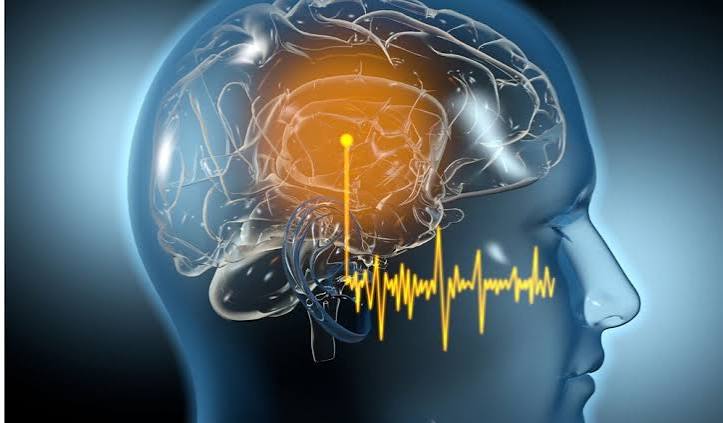
In these cases, the other driver is essentially saying, "I lost control because my body failed, not because I was careless." Under North Carolina law, that argument only has teeth if the event was truly sudden and could not reasonably have been anticipated. Examples include an unexpected heart attack, a first‑time seizure with no prior warning, or a rare reaction to a prescribed medication. The key idea is that the driver had no meaningful chance to prevent what happened. If there were earlier symptoms, known diagnoses, or a pattern of blackouts, the event is less likely to qualify as an unforeseeable emergency in the legal sense, even if it felt sudden in the moment.

02

How fault is normally proved in North Carolina car accidents

Most car accident claims in North Carolina are based on negligence. An injured person must show that the other driver owed a duty to use reasonable care, broke that duty by driving unsafely, and caused injuries and financial losses. In a typical Thomasville wreck, that might mean proving speeding, distraction, drunk driving, or running a red light. When a medical emergency is alleged, the focus expands. The question becomes whether the driver's decision to get behind the wheel, given their health and warnings, was itself unreasonable. Lawyers and insurers look beyond what happened in the seconds before the crash to what the driver knew about their condition in the days, months, or even years beforehand.

03

Why a sudden emergency does not always erase responsibility

A true, unforeseeable medical event can be a defense in North Carolina, but it is not a free pass for anyone who gets sick while driving. If the driver had a diagnosed condition like uncontrolled epilepsy, serious heart disease, or diabetes with frequent low‑blood‑sugar episodes, they may have been required to manage that condition carefully or avoid driving altogether. Ignoring a physician's advice not to drive, skipping medications, or choosing to drive after warning signs such as chest pain, dizziness, or confusion can all support a claim that the driver acted unreasonably. In that situation, the crash may be considered the result of negligence, not an unavoidable act of fate.

Decision guide

How to evaluate your options after a medical‑emergency crash

Sorting out fault, insurance, and next steps is harder when the other driver's health is in question. Use this section to think through your options and prepare for a detailed conversation with a North Carolina injury lawyer.

01

Key facts that need to be investigated

After a Thomasville crash linked to another driver's health, there are several critical questions that shape your options. Did the driver have a known medical condition that increased the risk of losing consciousness or control? Were they taking medications with warnings about driving? Did they experience similar episodes before but keep driving anyway? Did a doctor restrict their license or advise them not to drive, and did they follow that advice? Investigators also look at the timing: were there warning symptoms in the minutes or hours before the wreck that should have prompted the driver to pull over or seek help? A thorough attorney will request medical records, driving history, and witness statements to answer these questions rather than accepting an "I passed out" explanation at face value.

02

How insurance coverage can still apply

Even if a sudden medical emergency is proven and the driver is ultimately found not negligent, insurance coverage may still come into play. North Carolina requires drivers to carry liability coverage, and many policies respond first while the question of fault is sorted out. If the driver is found liable, their bodily injury liability coverage is usually the starting point for settlement negotiations. If coverage is limited or the emergency defense succeeds, your own auto policy may matter. Uninsured and underinsured motorist (UM/UIM) coverage can sometimes help fill gaps, especially in serious injury and wrongful death cases. An attorney can review both the at‑fault driver's policy and your own to identify every possible source of recovery.

03

What to do in the days after a medical‑emergency crash

Your health comes first, so prompt medical evaluation and follow‑up care should be a priority, even if you were able to walk away from the crash scene. Make sure you tell doctors exactly what happened, what parts of your body hurt, and how your symptoms change over time. At the same time, try to preserve evidence: keep copies of the accident report, photographs, and any information you have about the other driver's condition or statements. Avoid guessing about fault when speaking with insurers, and be cautious about giving recorded statements while facts are still coming to light. In serious injury cases, many people find it helpful to speak with a North Carolina personal injury lawyer early, so the legal team can send preservation letters and begin gathering medical and driving records related to the other driver's claimed emergency.

04

How Roane Law approaches complex Thomasville car accident claims

Roane Law is a Greensboro‑based personal injury firm that represents only injured people and families, not insurance companies, in serious car and truck crash cases across the Piedmont. In a Thomasville wreck involving a claimed medical emergency, the firm's attorneys would typically start with a free consultation to learn your account of the crash, review the accident report, and assess your injuries. If the case is accepted, they can investigate the driver's history, work with medical experts to understand the alleged emergency, and analyze all applicable insurance coverage. The goal is to build a strong, fact‑based claim for compensation that accounts for medical care, lost income, and long‑term impacts, while you focus on your recovery.

Evidence and expectations
PROOF

Why experienced trial lawyers matter in complex crash cases

Sudden medical emergency claims often turn on medical records, expert opinions, and close readings of insurance policies. A track record in serious, contested injury cases can make a real difference.

Plaintiff‑only focus in serious injury and wrongful death cases

Roane Law limits its practice to representing injured plaintiffs and grieving families. The firm does not represent insurers, which helps keep its focus on the needs of people whose lives have been disrupted by crashes, medical negligence, or workplace injuries. In sudden‑medical‑emergency cases, that alignment can matter. The issues often involve dense medical records, competing expert opinions, and insurers eager to deny responsibility based on an emergency defense. A plaintiff‑only practice is built around challenging those defenses rather than developing them.

Trial experience across the Piedmont, including appellate work

According to the firm's profile, Roane Law is led by trial lawyers who have secured jury verdicts in every Piedmont county and have handled cases before the North Carolina Court of Appeals and Supreme Court since 1999. Medical‑emergency crashes can easily become contested, expert‑heavy cases if an insurer believes the driver should be excused. Experience taking complex matters to trial and through appeals can encourage more serious settlement talks and provide a clear path if negotiations stall. That background may be especially valuable when a Thomasville collision produces catastrophic injuries or a wrongful death claim.

Client feedback on attentiveness and results

Public reviews offer one perspective on what it feels like to work with a firm. In one five‑star Google review, a former client praised James Roane and paralegal Brittani Earnhardt for working very hard to secure a favorable settlement, ensuring all medical bills were paid, and recovering nearly three times more than expected. Another reviewer described Roane Law as a "true blessing" during a difficult time, highlighting the team's professionalism, empathy, and dedication, and calling staff member Kerri a "lifeline" during the process. While no result can be guaranteed, this kind of feedback suggests a level of personal attention and persistence that can be reassuring when you are facing a complicated Thomasville crash involving questions about a driver's health.

Business photo
Greensboro, NC

What these cases mean for crash victims in Thomasville, NC

Thomasville sits between larger Piedmont cities, so a sudden‑medical‑emergency crash on I‑85, NC‑109, or a local road may involve drivers and insurance policies from several counties. Emergency responders might transport you to hospitals in High Point, Winston‑Salem, or Greensboro, while the at‑fault driver could live in Davidson County or beyond. That mix of locations and providers can complicate both your medical care and your legal claim. A lawyer who regularly handles serious Piedmont crashes can help organize records from multiple hospitals, coordinate with local providers, and identify every potentially applicable auto and health insurance policy. They can also account for the fact that Thomasville residents may face longer travel for specialist visits and therapy, which can affect lost‑time and mileage claims. If you live or were hurt in Thomasville, ask any attorney you consider how often they work with local law enforcement reports, area medical systems, and Davidson‑area courts in significant injury cases.

Owner or team photo
Questions worth asking

Questions Thomasville crash victims often ask

Once the words "medical emergency" enter the conversation, injured people are left with a new set of worries. These questions and answers address issues that typically come up after a serious Thomasville‑area collision tied to a driver's health.

If the other driver died from the medical emergency, can I still bring a claim?

Yes. If a driver in a Thomasville crash dies as a result of the collision or the underlying medical event, you may still have a legal claim. In North Carolina, personal injury and wrongful death claims can be asserted against the deceased driver's estate, which is typically handled by a personal representative or executor. Their auto liability insurance may still provide coverage for your injuries, subject to policy limits and any successful defenses. These cases require careful timing and procedural steps in probate court, so it is wise to consult a North Carolina personal injury attorney promptly to preserve your rights and identify the correct party to sue.

What if the driver hid their medical condition from the DMV or their doctor?

Concealing a serious medical condition from the Division of Motor Vehicles, a treating doctor, or an employer can be powerful evidence in your favor. If a Thomasville driver lied on license forms, failed to disclose blackouts or seizures to a physician, or kept driving despite being told not to, that conduct may support a strong negligence case. Proving concealment usually requires subpoenas and detailed record review, which an attorney can handle. While nondisclosure alone does not guarantee liability, it undermines the idea that the emergency was truly unforeseeable and can help you push back when an insurer claims the crash could not have been prevented.

How does North Carolina's contributory negligence rule affect these cases?

North Carolina follows a contributory negligence doctrine, which means an injured person who is found even slightly at fault may be barred from recovering damages in a standard negligence case. In a medical‑emergency crash, the defense might argue both that the driver faced a sudden emergency and that you contributed to the wreck through speeding, distraction, or some other conduct. That combination can be dangerous for your claim. A skilled lawyer will look for evidence that disputes any allegation of fault on your part and may explore exceptions, such as gross negligence by the at‑fault driver, where contributory negligence does not apply. Because of this strict rule, it is especially important to avoid casual statements that could be twisted into admissions of blame.

Can I still recover if I was a passenger in the car with the medical‑emergency driver?

Passengers often have strong claims, even when the driver who suffered the medical emergency is a friend or family member. If that driver was negligent in managing their health, ignored medical advice, or failed to respond to symptoms, their auto liability policy may be a source of compensation for your injuries. In some situations, your own auto or health insurance will also come into play. Many passengers worry about "suing" someone close to them; it can help to remember that most claims are handled and paid by insurers, not individuals. A North Carolina attorney can walk you through the available options and the practical impact of pursuing a claim as an injured passenger.

Is a driver automatically at fault if they kept driving after feeling sick?

Not automatically, but continuing to drive after concerning symptoms can weigh heavily against a driver in North Carolina. The law expects people to act reasonably in light of what they know at the time. If a Thomasville driver felt lightheaded, had chest pain, or experienced vision changes yet chose to keep going at highway speeds, a jury may see that as unreasonable, especially if they had a medical history that made those symptoms serious warning signs. On the other hand, very mild or fleeting symptoms might not be enough, by themselves, to prove negligence. The details matter. Medical records, witness accounts, and expert testimony often shape how a fact‑finder views the driver's choices in the minutes before the crash.

Owner or team photo
Your next step

Talk through your Thomasville medical‑emergency crash with a trial lawyer

If you were hurt in a Thomasville, NC crash and the other driver now blames a sudden medical emergency, you do not have to untangle the legal and insurance issues alone. Roane Law focuses on serious injury and wrongful death cases across the Piedmont and represents only plaintiffs, never insurers. You can request a free consultation to review what happened, your injuries, and the available coverage. The firm handles car accident, personal injury, and wrongful death cases on a contingency‑fee basis, so attorney fees are collected only if compensation is recovered. To schedule a conversation, call (336) 617-6125 or contact the team through the online form at roane-law.com.