Business photo
North Carolina car accident guidance

What Happens When Someone Driving a Borrowed Vehicle Causes a Car Accident in High Point, NC?

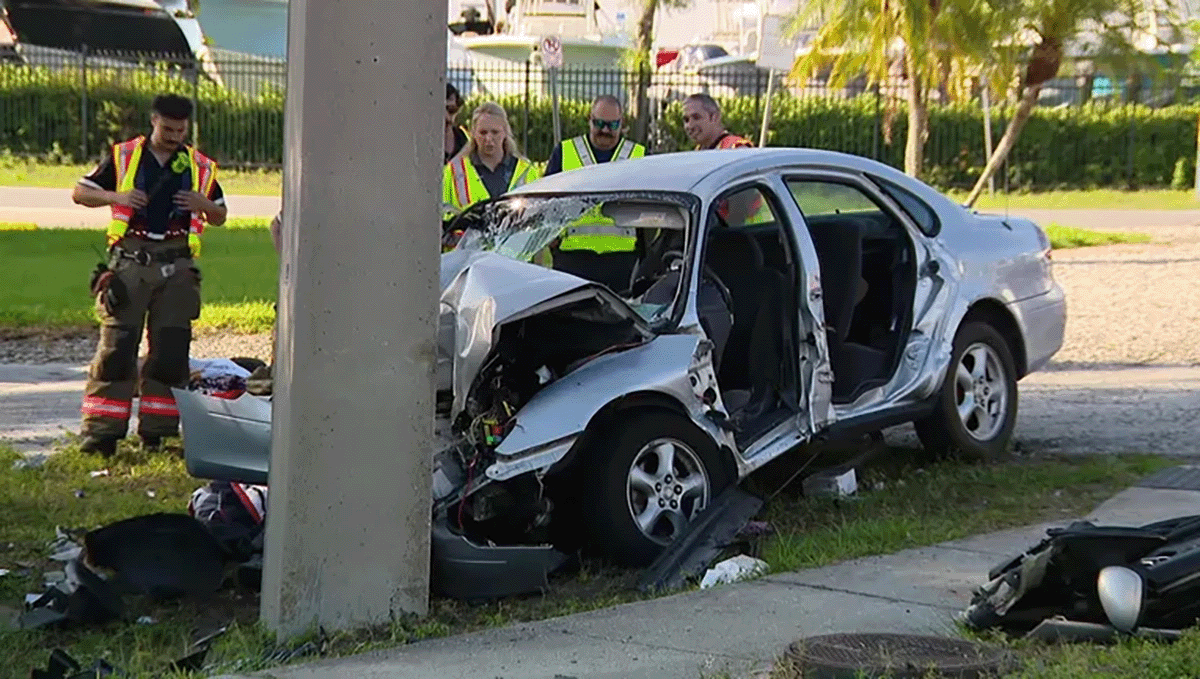
A crash in High Point is confusing enough. When the at‑fault driver borrowed the car they were in, questions about fault, insurance, and who actually pays can stall everything. This guide breaks down how North Carolina usually handles accidents involving borrowed vehicles, which details matter most, and how a plaintiff‑only injury firm based in the Piedmont can help you sort out coverage while you focus on healing.

The short answer

What matters most

In High Point and across North Carolina, when someone causes a crash while driving a borrowed vehicle, fault is handled like any other accident: the negligent driver can be held responsible for the injuries they cause. Insurance, however, gets more complicated. In most cases, the vehicle owner's liability policy is looked to first, as long as the driver had the owner's permission and is not excluded. The driver's own auto policy may act as secondary or excess coverage if the owner's policy is not enough or does not apply. But coverage can change dramatically if the driver was not allowed to use the car, was specifically excluded, was using the vehicle for business, or if there are lapsed policies or limited limits. Because these details control who actually pays medical bills and losses, an injured person should have an experienced North Carolina injury attorney review the police report, policies, and permission issues before making decisions about settlement or next steps.

01In North Carolina, the negligent driver can be held responsible for a borrowed‑vehicle crash, but the vehicle owner's insurance is often looked to first if the driver had permission.↗
02Whether the driver had permission to use the car, and whether either person is excluded under a policy, are crucial facts that can determine which insurance applies.↗
03The car owner's policy may be primary and the driver's policy may be secondary, but policy language and business‑use exclusions can change how coverage works.↗
04Injured people should verify ownership, permission, and all potentially applicable policies before accepting any settlement related to a High Point borrowed‑vehicle crash.↗
05Roane Law, a Greensboro‑based North Carolina injury firm, offers free, contingency‑based consultations to help crash victims sort through coverage and fault in complex borrowed‑car accidents.↗
Business photo
A visual pause

How borrowed vehicle accidents really work in High Point, NC

A useful way to think about it

How borrowed vehicle accidents really work in High Point, NC

If you were hit by someone driving a borrowed car, or your own vehicle was involved while a friend or relative was behind the wheel, the situation can feel like a legal maze. Here is how these cases typically unfold under North Carolina law, and what you need to know before you sign any paperwork or accept an insurance offer.

01

1. Fault is still about negligence, not who owns the car

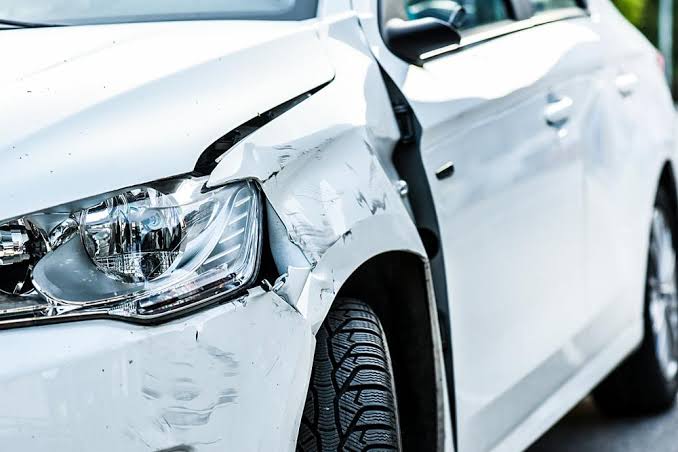
The first step in any North Carolina car accident case, including borrowed‑vehicle crashes, is showing who was negligent. That means establishing who failed to use reasonable care, such as by speeding, running a light, following too closely, or driving distracted. If the person driving the borrowed car caused the wreck in High Point, they can be held responsible for the injuries they caused just like any other at‑fault driver. The fact that they did not own the vehicle does not excuse unsafe driving or change the basic negligence analysis. However, in North Carolina's contributory negligence system, the other drivers and injured passengers will also be scrutinized. If an insurance company claims you were even slightly at fault, they may try to deny your claim entirely. That is one reason careful investigation and witness statements matter from the beginning, especially when multiple parties and insurance policies are involved.
02

2. Why permission to use the car matters so much

Insurance coverage for a borrowed car usually turns on whether the driver had the owner's permission to use the vehicle. This is sometimes called "permissive use." Permission can be express, such as, "You can take my car to work," or implied, based on a pattern of prior allowed use. If the driver had permission and was not excluded from coverage, the vehicle owner's liability policy is often the first line of insurance that may apply. If the driver did not have permission, insurers may argue the owner's policy does not have to pay for the damage the driver caused. That can leave only the driver's own auto insurance, if they have it. Because insurance adjusters may interpret "permission" narrowly, details like text messages, keys left out, past borrowing, and witness accounts can become very important. An attorney can help gather and present these facts in a way that gives you the best chance of accessing all available coverage.

03

3. Primary insurance, excess insurance, and personal policies

In many North Carolina borrowed‑vehicle crashes, the policy insuring the car itself is considered before the driver's personal policy. If that owner's policy applies, it may cover injuries and property damage up to its limits. If the injuries are serious, those limits are sometimes not enough. When that happens, the at‑fault driver's own auto policy may be looked at as a possible "excess" or secondary source of coverage. Whether it actually has to pay depends on how the policies are written and how their "other insurance" clauses interact. In some situations, both insurers dispute who is primary, or one denies coverage entirely. These policy interactions are rarely obvious from a quick phone call with an adjuster. Having someone who understands North Carolina insurance language review copies of the policies can reveal coverage that might otherwise be overlooked, especially in High Point crashes involving serious injuries and long‑term losses.

Decision guide

Key choices to make after a borrowed‑vehicle crash

Once you understand the moving parts in a borrowed‑car accident, you still face practical decisions: which insurer to speak with, what to share, and whether you need legal help. This section walks through those turning points so you can move forward in a controlled, informed way instead of reacting to pressure from adjusters.

01

Confirm essential facts before you rely on any insurance promise

Before you accept what any adjuster tells you about coverage, it helps to make sure a few basic facts are nailed down. First, identify who owned the vehicle, who was driving, and how they know each other. Second, pin down whether the driver had permission to use the car that day and for that specific trip. Third, determine whether either person has their own auto insurance and, if so, who wrote the policies. You can ask for the name of each insurer, the policy numbers, and the liability limits. It is also reasonable to request copies of the declarations pages. If an adjuster says a policy does not apply, ask them to put that in writing and to state the specific policy provision they are relying on. Sharing those documents with an attorney lets you verify whether the coverage explanations you are hearing actually match the policy language.

02

Protect your health and your claim from the start

Serious injuries are common even in what looks like a moderate collision, and delays in care can both harm your health and give insurers ammunition to question your claim. If you are hurting after a High Point wreck, seek medical attention promptly, follow through with recommended treatment, and explain all symptoms to your providers. At the same time, preserve evidence whenever you can. That means saving photographs of the scene and vehicles, keeping names and contact information for witnesses, and obtaining a copy of the crash report once it is available. Try to avoid giving recorded statements to any insurer, especially one representing the at‑fault driver or vehicle owner, until you have had a chance to speak with a lawyer about how your answers might be used.

03

Decide whether to bring in a North Carolina injury attorney

Borrowed‑car crashes are more likely than typical collisions to involve coverage denials, finger‑pointing between insurers, and complex policy questions. You may be able to handle a minor property‑damage claim on your own. But if you have significant medical bills, missed work, or any hint that coverage will be disputed, it often makes sense to consult a plaintiff‑side injury attorney. During an initial consultation, you can ask how the firm handles High Point and other Piedmont cases, whether they have experience with multiple‑policy disputes, and how they will keep you updated as your claim progresses. Roane Law, for example, offers free, no‑obligation consultations and handles North Carolina injury cases on a contingency fee, meaning attorney fees are collected only if compensation is recovered. That structure lets you get advice on a borrowed‑vehicle crash without taking on upfront legal costs.

04

Watch for settlement pressure when coverage is unclear

In some borrowed‑vehicle accidents, one insurer may quickly offer a small settlement while raising questions about what other coverage is available. You might be told that taking the offer is the only way to get anything at all, or that waiting to "sort out" the other policy could take a long time. Before signing a release or cashing a settlement check, make sure you understand which claims and parties you are giving up. A quick property‑damage settlement that leaves your injury claims intact may be reasonable in some cases, while a full release that cuts off your rights against both the driver and the vehicle owner can be very costly if more injuries surface later. Reviewing any proposed release with an attorney can help you avoid signing away important rights just to get short‑term relief.

Evidence and expectations
PROOF

What sets Roane Law apart in complex NC car accident cases

Borrowed‑vehicle crashes often involve more than one insurance policy, finger‑pointing between carriers, and serious injuries that change your life. Here is how Roane Law's experience and client feedback line up with what these cases demand.

Plaintiff‑only trial lawyers with deep Piedmont experience

Roane Law focuses exclusively on representing injured plaintiffs and their families in North Carolina, never insurance companies. The firm has pursued jury verdicts in every Piedmont county and has handled appeals before the North Carolina Court of Appeals and Supreme Court. That track record is especially valuable in borrowed‑vehicle crashes, which can require aggressive litigation when insurers disagree about who should pay and for how much. Trial readiness often encourages more serious settlement negotiations and signals to insurers that the firm is prepared to present your case to a Guilford County jury if needed.

Results that reflect high‑stakes injury work

Serious car and truck crashes involving borrowed cars can lead to life‑changing injuries, wrongful death claims, or long‑term disability. Roane Law has secured multimillion‑dollar recoveries in complex injury and wrongful death matters, reflecting its ability to build and present high‑value cases. While every situation is different and no outcome can be guaranteed, experience with large claims means the firm is comfortable working with experts, developing detailed life‑care plans, and pushing back when insurers undervalue long‑term medical needs or future lost income in North Carolina courts.

Client reviews emphasizing care, communication, and results

Public reviews highlight how the firm combines legal skill with personal attention. One former client described attorney James Roane and paralegal Brittani Earnhardt as working very hard to get the most favorable settlement, ensuring all medical bills were paid, including one with a lien, and achieving nearly three times the expected recovery. Another client called James Roane a true blessing during a difficult time, praising the team's professionalism, empathy, and dedication, and noting that Kerri was a lifeline who kept everything running smoothly. In borrowed‑vehicle cases, where confusion and delays are common, that level of communication and follow‑through can be especially reassuring.

Business photo
Greensboro, NC

What a High Point location means for your borrowed‑car claim

High Point collisions do not happen in a vacuum. Your crash might be on a busy commercial corridor like North Main Street, a residential road near a school, or a stretch of interstate on the way to Greensboro or Winston‑Salem. Where and how the wreck happened affects which law enforcement agency responds, which hospitals treat you, and which courts would hear your case. For a borrowed‑vehicle accident, this local context matters. You may be dealing with a High Point Police Department report that does not clearly describe who owned the car, or with witnesses who live in different Piedmont counties. Medical care might start at High Point Medical Center and then shift to specialists in Greensboro or elsewhere in the Triad. An attorney familiar with the Piedmont region can help track down complete records, navigate multiple jurisdictions, and meet North Carolina's filing deadlines. If you were hurt in a High Point crash involving a borrowed car, useful questions to ask any lawyer include: How often do you handle cases filed in Guilford County courts? Are you comfortable dealing with multiple insurers based on different cities or states? Will you help coordinate records from local hospitals and out‑of‑area providers? Thoughtful answers to those questions can make a real difference in how smoothly your claim moves forward.

Owner or team photo
Questions worth asking

Borrowed‑vehicle accident questions people often ask

Crashes involving borrowed cars raise worries that do not come up in a typical two‑driver, two‑policy case. Here are focused answers to questions that injured people and vehicle owners commonly ask in the High Point area, beyond the basics covered above.

Can the vehicle owner in High Point be sued if someone else was driving their car?

Under North Carolina law, simply owning a car does not automatically make someone responsible every time another person borrows it and causes a crash. The negligent driver is usually the primary person held accountable. However, the owner's liability policy may still provide coverage if the driver was using the car with permission. There are also limited situations where claims might be explored directly against the owner, such as if they knowingly entrusted the vehicle to someone obviously unfit to drive (for example, someone they knew was impaired right then). Whether that kind of "negligent entrustment" applies depends heavily on the specific facts, so a careful review of what the owner knew and when they knew it is important before deciding who to sue.

What happens if the borrowed‑car driver in my accident has no insurance?

If the at‑fault driver who borrowed the car has no insurance of their own, you still may have options. First, the vehicle owner's liability policy may apply if the driver had permission and was not excluded. If the owner's insurer denies coverage, you can request the specific policy reason for that decision. Second, your own auto policy may include uninsured motorist (UM) or underinsured motorist (UIM) coverage. Those coverages are designed to step in when the at‑fault driver has no insurance or too little insurance. Claims under your own policy can still be contested, so it helps to gather documentation of your injuries, medical bills, and lost income and to consider legal representation before resolving a UM or UIM claim.

Does it matter if the borrowed car was being used for work or deliveries?

Yes, business use can significantly affect insurance coverage. Some personal auto policies limit or exclude coverage when a vehicle is being used for certain types of work, such as deliveries, rideshare driving, or other commercial purposes. If the borrowed car in your High Point crash was being used for work at the time, the owner's personal policy or the driver's policy might argue that an exclusion applies. At the same time, there may be a separate commercial or employer policy that should be involved. Because these questions depend on the policy wording and the nature of the job, it is important to find out why the driver was on the road, who they were working for, and whether any business auto or commercial general liability policies exist.

What if I loaned my car to a friend and they injured someone in a crash?

If you loaned your car to a friend and they caused an accident, your liability policy may be the first one the injured person's lawyer or insurer looks to, assuming your friend had permission and is not excluded under your policy. That can be true even if you were nowhere near the scene. In some cases, the driver's personal insurance may provide additional coverage if injuries exceed your policy limits. You may want to promptly notify your insurer of the crash, cooperate with their investigation, and avoid discussing fault or coverage with the other side's insurer. If you are worried about personal financial exposure beyond your policy limits, it can be wise to consult your own attorney so you understand your rights and obligations under North Carolina law.

How quickly should I contact a lawyer after a High Point borrowed‑vehicle crash?

It is generally best to speak with a lawyer as soon as you realize you have injuries or coverage questions, especially in a borrowed‑vehicle scenario. Early legal help can protect you from making statements that insurers might use against you, ensure that key evidence is preserved, and help you understand all possible insurance sources before time‑sensitive decisions are made. North Carolina also has strict deadlines for filing personal injury and wrongful death lawsuits. Waiting too long can reduce your attorney's ability to investigate and, in extreme cases, may bar your claim altogether. A prompt consultation, even if you decide not to move forward right away, can give you a clearer picture of your options and the timeframes involved.

Owner or team photo
Your next step

Talk through your borrowed‑vehicle crash with a North Carolina injury lawyer

If a borrowed car was involved in your High Point wreck, you are probably facing more than just sore muscles and car repairs. You may be caught between different insurance companies, unsure who is actually on the hook for your medical bills and lost time from work. Roane Law represents injured people and families across North Carolina in serious car accident cases. The firm starts with a free consultation, reviews the crash report and any available insurance information, and explains in plain language how coverage may work in your situation. Representation is offered on a contingency fee, so attorney fees are only collected if compensation is recovered. To schedule a conversation about your options, you can call (336) 617-6125 or use the contact form at roane-law.com. Getting clear answers now can help you avoid costly mistakes later.