Business photo
High Point, NC Serious Car Accidents

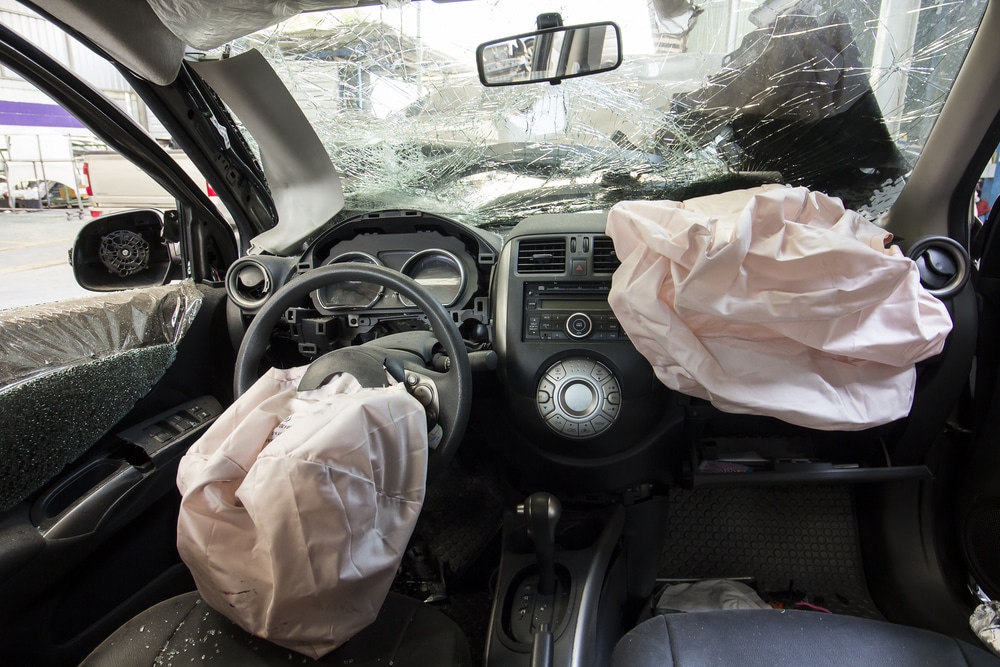
What Happens When an Airbag Fails to Deploy During a Serious Car Accident in High Point, NC?

If your airbag never went off in a violent High Point wreck, you are likely wondering whether the car was unsafe, whether someone else is responsible, and how that affects your injury claim. This page walks through what a non‑deploying airbag can mean under North Carolina law and the concrete steps you can take now to protect yourself and your family.

The short answer

What matters most

When an airbag does not deploy in a serious High Point, NC car crash, the law still lets you pursue a claim against any negligent driver, and in some situations a separate product liability case may be explored if the airbag system appears to have malfunctioned. Roane Law, a Greensboro‑based personal injury firm, helps injured people and families across North Carolina with serious motor‑vehicle collisions, workers' compensation matters, medical and nursing home negligence, and wrongful death claims, offering free initial consultations and contingency‑fee representation so legal fees are owed only if compensation is recovered.

01A non‑deploying airbag in a serious High Point crash does not automatically prove a defect, but it does justify careful investigation.↗
02You can still bring a negligence claim against an at‑fault driver even if your airbag never deployed; those claims focus on how the crash happened.↗
03Preserving the damaged vehicle and airbag system is critical if a possible defect or product liability claim is being considered.↗
04Medical documentation linking your injuries to the mechanics of the crash, including the lack of airbag deployment, strengthens both injury and wrongful death cases.↗
05Roane Law is a Greensboro‑based plaintiff‑only firm with substantial trial experience across the Piedmont, offering free, contingency‑based consultations for serious injury and wrongful death claims.↗
Business photo
A visual pause

Understanding Airbag Non‑Deployment After a High Point Crash

A useful way to think about it

Understanding Airbag Non‑Deployment After a High Point Crash

An airbag that never goes off in a violent collision can be shocking. To know what it means for your health and your case, you need to understand how airbags are designed, when they are supposed to deploy, and how those facts interact with North Carolina injury and wrongful death law.

01

How Airbags Are Supposed to Work

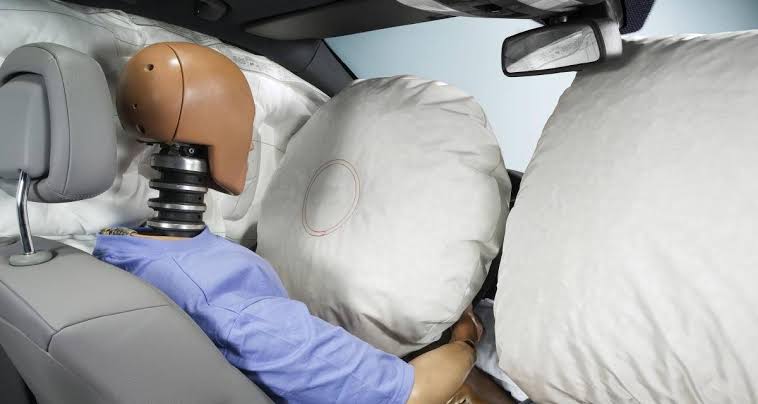
Airbags are engineered to deploy only in certain types of impacts, usually moderate to severe frontal or near‑frontal collisions. Sensors measure how quickly the vehicle slows down, and when readings cross a preset threshold, the system is designed to trigger deployment. In lower‑speed bumps, side‑swipes, rear‑end taps, or glancing blows, the airbag may never be told to fire, even though the crash still hurts. That means a non‑deploying airbag does not, by itself, prove something went wrong. Lawyers and experts have to look at the specifics: impact direction, speed, intrusion into the occupant compartment, and whether the vehicle's design called for deployment under those conditions. Only then can anyone speak credibly about whether an airbag failure may have contributed to your injuries in a High Point collision.

02

When a Non‑Deploying Airbag Might Signal a Defect

In some serious crashes, the damage pattern and injuries strongly suggest that an airbag should have gone off but did not. Causes can include sensor failures, electrical problems, incorrectly repaired systems after a prior crash, or design flaws in the airbag or control module. There may also be open safety recalls that were never addressed. In those situations, an attorney experienced with complex injury cases might bring in engineers or accident reconstruction experts to analyze the crash data, inspect the vehicle, and review manufacturer information. If they conclude the airbag system did not perform as reasonably expected, you may have a separate claim against the vehicle maker, parts manufacturer, or others involved in the design or maintenance of the system, in addition to your claim against a negligent High Point driver.

03

How a Non‑Deploying Airbag Affects Your Injury Claim

From a North Carolina personal injury standpoint, your primary claim after a High Point wreck typically focuses on who caused the collision. If another driver ran a light on Main Street, was distracted near NC‑68, or otherwise drove carelessly, those facts drive the claim for medical bills, lost income, pain and suffering, and, in fatal cases, wrongful death damages. The airbag issue may become a second layer. If it is purely a design or maintenance question, that layer might support a separate product liability case. Even when no defect claim is pursued, documentation that the airbag never deployed can help describe the violence of the impact and the reasons your body absorbed more force, which can matter in negotiations with insurance adjusters assessing the seriousness of your injuries.

Decision guide

Deciding What to Do After an Airbag Failure in High Point

Once emergency care is underway, many families are left wondering how to sort out fault, protect their legal rights, and choose the right kind of help. These points walk you through practical decisions you can make in the days and weeks after a serious High Point wreck where an airbag never deployed.

01

Step One: Prioritize Medical Care and Documentation

After any serious crash, but especially when the airbag never deployed, prompt medical care is critical. High Point emergency responders may take you to a nearby hospital for evaluation. Follow‑up with specialists, imaging, and therapy often reveals injuries that were not obvious at the scene. Thorough medical records not only protect your health but also create the foundation of any later claim. Tell providers that the airbag did not deploy and describe how your body moved inside the vehicle. Did your head hit the steering wheel? Did your chest strike the dashboard? These details help doctors look for specific injuries and later allow an attorney to connect the mechanics of the crash to your symptoms, strengthening both injury and, where appropriate, wrongful death cases.

02

Step Two: Preserve the Vehicle and Airbag System

One of the most important legal decisions after an airbag failure is what happens to the vehicle. Tow yards, storage facilities, and insurers often push to move or total vehicles quickly. Once a car is destroyed or repaired, it can be much harder to evaluate whether the airbag system was defective. If you suspect a problem, tell your insurance company in writing that you want the vehicle preserved until an attorney and, if necessary, an expert can inspect it. Share the storage information and any letters you receive with your lawyer. A firm that regularly handles serious injury cases across the Piedmont can request preservation of evidence, work with the yard or carrier, and decide whether a formal inspection is necessary based on the severity of the crash and the nature of your injuries.

03

Step Three: Evaluate Both Driver Negligence and Possible Product Claims

Airbag‑related cases often involve two very different sets of defendants, rules, and evidence. Claims against the at‑fault High Point driver focus on traffic laws, crash reports, witness statements, and insurance coverage. Potential claims against manufacturers or others in the supply chain turn on engineering standards, recall history, and detailed product‑liability principles. A North Carolina injury firm that regularly handles complex litigation can help you decide which path actually makes sense in your case. In some crashes, the evidence simply does not support a defect claim, and the focus stays on the negligent driver. In others, a careful review may justify pursuing both. A thoughtful early evaluation can keep you from investing time and energy into theories that are not supported by the facts.

04

Step Four: Choose a Law Firm Equipped for Serious Injury and Wrongful Death Cases

Not every accident requires a lawyer, and not every lawyer devotes their practice to significant injury and death cases. Airbag failure questions are usually reserved for higher‑stakes crashes with substantial injuries, permanent impairments, or fatalities, where the cost of experts and litigation can be justified. Roane Law focuses its civil practice on representing injured plaintiffs and families in serious matters such as motor vehicle collisions, medical malpractice, nursing home neglect, workers' compensation claims, and wrongful death actions. The attorneys do not represent insurance companies. For an airbag failure case coming out of a High Point wreck, that plaintiff‑side focus and trial orientation can be important if your claim requires aggressive workup, negotiation, and, if necessary, courtroom advocacy.

Evidence and expectations
PROOF

Why Many Piedmont Crash Victims Turn to Roane Law

Complex crash investigations, potential vehicle defects, and serious injuries require steady legal hands. The following points explain, using verified information, how Roane Law's background lines up with what you may need after an airbag failure in or around High Point.

Piedmont‑Wide Trial Experience

The attorneys at Roane Law have tried cases to juries across the Piedmont region of North Carolina and have obtained verdicts in every county in that area. That courtroom track record matters in a serious injury case arising from an airbag that did not deploy because insurers and defense lawyers pay close attention to whether the firm on the other side is actually willing and able to try a case. In disputes involving possible product defects or catastrophic crash injuries, the threat of a well‑prepared trial can influence how insurers evaluate settlement and whether manufacturers are willing to negotiate meaningful resolutions before trial. Experience in both trial courts and appellate courts adds another layer of depth for complex, contested cases.

Focus on Plaintiffs Only

Roane Law's practice is built around representing injured individuals and grieving families rather than splitting time between plaintiffs and insurance carriers. That one‑sided focus keeps the firm aligned with people who have been harmed in serious wrecks, workplace incidents, or medical and nursing home negligence, rather than with companies defending claims. For a High Point crash involving a non‑deploying airbag, that orientation means the team's loyalty is to documenting your injuries, uncovering the full scope of potential liability, and pursuing compensation where North Carolina law allows, rather than minimizing payouts for an insurer. The firm structures qualifying cases on a contingency basis, so attorney fees are only owed if there is a financial recovery.

Client Feedback on Care and Outcomes

Public reviews provide a window into how a firm treats its clients during long, stressful cases. In five‑star feedback posted on Google, former clients describe attorney James Roane and paralegal Brittani Earnhardt as warm, caring, and relentless in seeking favorable settlements. One client noted that Roane Law made sure all medical bills were paid, including one with a lien, and recovered nearly three times the amount the client expected. Another reviewer called James Roane "a true blessing" to their family, highlighting the team's professionalism, empathy, and willingness to go above what was necessary to reach a successful result. That combination of legal determination and personal support can be especially important when you are dealing with complex injuries, long treatment plans, and the added frustration of an airbag system that did not deploy when you needed it.

Business photo
Greensboro, NC

How a High Point Location Changes an Airbag Failure Case

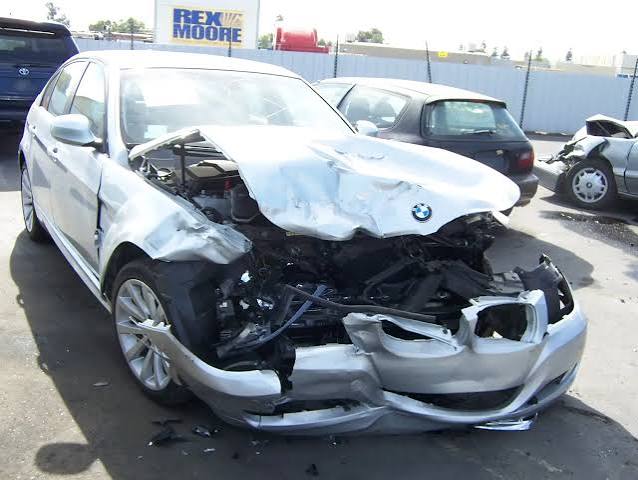
A serious wreck in High Point is not handled in a vacuum. Crashes here are shaped by local roads, law enforcement agencies, medical providers, and insurance adjusters familiar with the Piedmont Triad. If your airbag did not deploy, preserving the vehicle and coordinating the right experts quickly often depends on having help nearby. Because Roane Law is based in Greensboro and tries cases throughout the Piedmont region, the team is already accustomed to working with High Point police reports, local hospitals, and Guilford County court processes. That regional familiarity can matter when you need a rapid inspection of a damaged vehicle before it is scrapped, help tracking down local witnesses, or coordination with High Point-area doctors documenting the full scope of your injuries or a loved one's wrongful death. If another law firm or insurer already has the vehicle, a Piedmont‑based trial team can push for evidence preservation under North Carolina rules while you focus on recovery.

Owner or team photo
Questions worth asking

Airbag Failure in High Point: Questions People Ask

After a serious crash, it is common to replay the moment the airbag did not deploy and worry about what that means. These questions and answers address concerns that often come up but have not yet been covered above.

Does a non‑deploying airbag automatically mean my car was defective?

No. Airbags are calibrated to deploy only in certain kinds of impacts, usually moderate to severe frontal or near‑frontal collisions. In many crashes, especially low‑speed, side‑impact, or rear‑end collisions, a non‑deploying airbag is exactly what the design calls for. To know whether there might be a defect, professionals need to study the crash circumstances, including the speed, direction of impact, crush damage, and data from the vehicle if available. If those details suggest the airbag should have fired but did not, an attorney can then explore a potential product liability claim under North Carolina law.

Can I still bring a claim against the other driver if my airbag never deployed?

Yes. Your ability to pursue a negligence claim against another driver in High Point depends on who caused the crash, not on what your airbag did. If someone else ran a red light, followed too closely, or drove while distracted and hit you, you may have a claim for your injuries and financial losses regardless of whether the airbag deployed. The airbag issue may become a separate question about vehicle safety, but it does not erase the at‑fault driver's legal responsibilities under North Carolina traffic and injury laws.

What evidence should I try to keep after an airbag failure in a High Point wreck?

If you can safely do so, preserve photos of the scene, your vehicle, and your injuries. Make a note of witnesses, police officers on scene, and any comments made about the airbags. Most critically, try to keep the vehicle from being destroyed, sold, or repaired until you speak with an attorney. The airbag control module, sensors, and wiring are often crucial for understanding whether the system malfunctioned. Share your insurance paperwork, storage location, and towing information with your lawyer as soon as possible so they can work to preserve and inspect the vehicle if needed.

Could a prior accident or repair explain why my airbag did not deploy?

Yes, prior damage or improper repairs sometimes interfere with later airbag deployment. If a previous collision led to replacement of sensors, wiring, or the airbag module, and the work was not done correctly, that can affect how the system responds in a new crash. Likewise, tampering with the steering wheel, dashboard, or electrical system can cause problems. An attorney evaluating your case may ask about the vehicle's history, repair records, and any recalls, then decide whether to involve an engineer or accident reconstruction expert to sort out whether maintenance or repair work played a role in the airbag's failure.

How long do I have to act if I suspect an airbag defect in North Carolina?

North Carolina has strict time limits for both personal injury and product liability claims, and additional deadlines may apply in wrongful death cases. Waiting can also lead to loss of key evidence, like the vehicle itself or electronic data stored in crash modules. Because those deadlines and technical rules can be complex, especially when a manufacturer is involved, speaking with a North Carolina injury attorney as soon as you suspect an airbag problem is wise. Early legal help can ensure that claims are filed on time and that important evidence is preserved while it is still available.

Owner or team photo
Your next step

Talk With a Piedmont Trial Lawyer About Your Airbag Claim

If an airbag failed to deploy in a High Point crash and you or a family member suffered serious injuries, you do not have to untangle liability issues on your own. A no‑cost consultation with Roane Law gives you direct access to a North Carolina trial lawyer who can look at the crash report, photos, and medical records and discuss both the driver‑negligence claim and any potential defect investigation. You can request a consultation by calling (336) 617-6125 or by using the contact form on roane-law.com. The firm represents injured people and grieving families only, not insurance companies, and offers contingency‑based representation in qualifying injury and wrongful death cases. That structure allows you to explore your options without up‑front legal fees while the team evaluates the best way to protect your claim.