Business photo
Asheboro, NC Car Accident Guidance

What Happens When a Parked Vehicle Is Hit by Another Driver in Asheboro, NC?

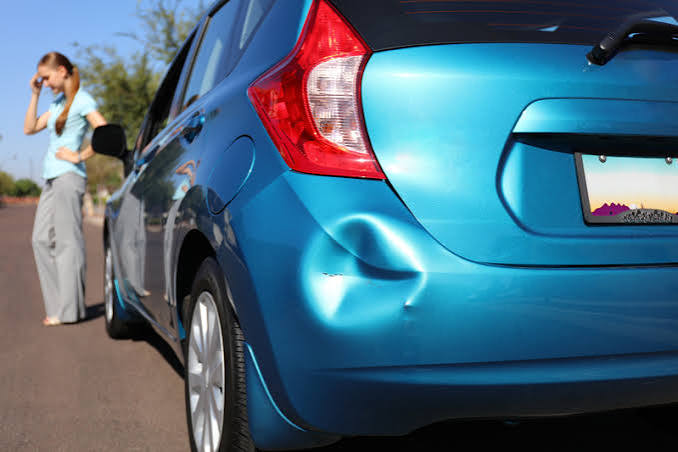
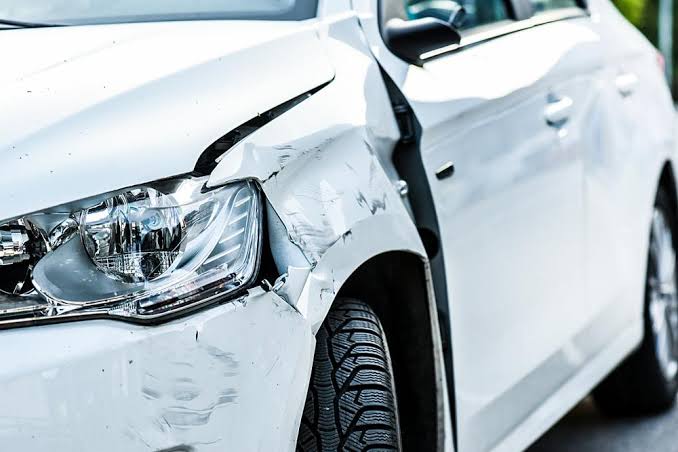
If you walked out in Asheboro and found your parked car smashed, you are probably wondering who pays, whether insurance will treat it as "not at fault," and what happens if you are also hurt. This page breaks down how North Carolina law generally handles crashes involving parked vehicles, how different insurance coverages may apply, and which details matter most if the damage is more than just cosmetic.

The short answer

What matters most

When a parked vehicle is hit in Asheboro, NC, the driver who struck the parked car is usually legally responsible for the damage and any injuries, because the moving driver typically has the duty to maintain control and avoid fixed objects. Their liability insurance, if available, is generally the first source of payment for repairs, a total loss, and injury-related losses. However, there are important exceptions and tradeoffs. If the parked vehicle was left in a dangerous or illegal spot, North Carolina's contributory negligence rule can be raised as a defense and may affect the owner's ability to recover. In hit-and-run or uninsured situations, the parked vehicle owner may need to turn to their own policy, including collision, uninsured motorist, MedPay, or rental coverage where purchased. Because these cases can quickly turn into disputes over fault, coverage, and diminished value, many people in Asheboro contact an experienced North Carolina injury firm for advice before giving detailed statements or accepting a settlement.

01In Asheboro, the driver who hits a parked car is usually responsible, but North Carolina's contributory negligence rule means improper parking can create fault arguments against the vehicle owner.↗
02Police reports, photos, witness information, and any available camera footage are crucial evidence, especially in hit‑and‑run or later‑discovered damage situations.↗
03Different coverages on your own policy - collision, uninsured motorist, MedPay, and rental - may come into play if the at‑fault driver is uninsured, underinsured, or cannot be identified.↗
04What starts as a property‑damage claim can become an injury case if you were inside or near the parked vehicle; documenting symptoms and getting medical care early is essential.↗
05Roane Law, a Greensboro‑based, plaintiff‑only firm with trial experience across the Piedmont, offers free, contingency‑based consultations for serious parked‑car crashes that involve injury, lost income, or complex insurance disputes.↗
Business photo
A visual pause

Step‑by‑step guide: what to do after your parked car is hit in Asheboro

A useful way to think about it

Step‑by‑step guide: what to do after your parked car is hit in Asheboro

Even if you were nowhere near the car when it was struck, your choices in the first few days can strongly affect insurance, fault arguments, and any injury claim. Here is a clear, practical roadmap for Asheboro drivers.

01

1. Make the scene safe and check for injuries

If you were in or near the parked vehicle when it was hit, your safety comes first. Move to a safe location away from traffic and quickly check yourself and any passengers for pain, dizziness, or other symptoms. Even low‑speed impacts can jolt the neck, back, or jaw. If anyone may be hurt, call 911 and request EMS and police. If you discover the damage after the fact and no one is injured, you usually do not need an ambulance, but you should still contact law enforcement so there is an official record. Do not assume "it is just property damage" until a medical professional has weighed in, especially if you felt a significant jolt.

02

2. Call Asheboro law enforcement and insist on a report

In North Carolina, having a police report is often critical, even for a parked‑car crash. If the at‑fault driver is present, call Asheboro Police Department or 911 so an officer can document what happened, the driver's information, and any visible damage to both vehicles. If you discovered the damage in a lot or along the street with no one around, still report it as soon as possible. Officers may treat it as a hit‑and‑run and will note location, probable time frame, and any cameras or witnesses. Later, insurers and attorneys will lean heavily on this report to sort out fault and coverage, so ask how to obtain a copy once it is filed.

03

3. Gather evidence before the scene changes

Parked‑car scenes often get cleaned up quickly. Before vehicles are moved, use your phone to capture wide shots of the entire area and close‑ups of all damage. Include the position of both vehicles, skid marks, broken glass, and any nearby signs or parking markings that show your car was legally parked. Photograph license plates, inspection stickers, and the other driver's insurance card if they will allow it. If businesses or homes have exterior cameras pointed at the area, note their locations and politely ask if footage can be saved. Collect names and contact information for any witnesses. These details can make a major difference, especially if fault is later disputed or the other driver changes their story.

Decision guide

Key decisions and tradeoffs after a parked‑car crash

Beyond the basic checklist, you will face some real choices: which insurance to use, how hard to push for full value, and whether to bring in a lawyer. This section lays out those forks in the road so you can move forward with your eyes open.

01

Using the other driver's insurance or your own: which first?

If the driver who hit your parked car is identified and insured, their liability coverage is usually the primary source for your vehicle damage and related losses. Many people in Asheboro prefer to start there so they are not paying their own deductible or risking premium increases. However, using the at‑fault driver's carrier can mean more delays, lowball valuations, or disputes about whether your car should be repaired or totaled. In contrast, using your own collision coverage may get the car fixed faster, with the insurer later seeking reimbursement from the other carrier. The tradeoff is that you may pay your deductible up front and need to pursue recovery of that amount later. Reviewing both policies and asking pointed questions about timing, deductibles, and rental coverage can help you decide which path is worth the hassle.

02

Dealing with hit‑and‑run or uninsured drivers

If your parked car in Asheboro was hit and the driver fled, or if the driver stayed but has no insurance, you may have to turn inward to your own policy. In North Carolina, different coverages play different roles. Collision coverage can pay for repairs or a total loss regardless of who was at fault, but usually with a deductible. Uninsured motorist (UM) coverage may help when a legally responsible driver has no insurance or in qualifying hit‑and‑run situations, particularly when injuries are involved. Medical payments (MedPay), if purchased, can help with medical bills without regard to fault. The tradeoff is that using these coverages can feel unfair when you did nothing wrong, and you may worry about rate changes. Weigh that frustration against your need to get the car back on the road and your health stabilized.

03

Property‑only claim or full injury claim?

If you were not in the vehicle and have no physical symptoms, your situation may be limited to property damage and the inconvenience of being without the car. In those cases, many people can negotiate directly with insurance over repair estimates, total‑loss value, and rental days. But if you were inside the parked vehicle, getting in or out of it, or standing close enough to be knocked down or jolted, the collision may justify a broader injury claim. North Carolina law allows recovery for medical bills, lost income, pain, and other harms when another person's negligence causes injury. That said, full injury claims require more documentation, medical evidence, and patience, and insurers tend to push back harder. If your symptoms extend beyond a few days, speaking with a trial‑experienced injury lawyer before giving recorded statements is often a smart move.

04

Handling diminished value and total‑loss disagreements

Even after a well‑done repair, a vehicle that has been in a collision is often worth less on resale than a similar car with a clean history. North Carolina law allows certain claims for diminished value, but they are frequently contested. Insurers may offer little or nothing for this loss unless you press the issue with market data, appraisals, and strong negotiation. If the vehicle is deemed a total loss, disagreements can arise over the actual cash value. The company may use pricing that does not reflect what similar cars truly sell for in Asheboro's and the broader Piedmont's market. You will need to decide how far to push, given the time and emotional energy involved. For higher‑value vehicles or when you are already pursuing an injury claim, involving an attorney can change the dynamic in these valuation debates.

Evidence and expectations
PROOF

Why many injured North Carolinians trust Roane Law

Parked‑car collisions are often treated as "minor" by insurers, even when they cause real injuries, missed time from work, or disputes over coverage. Here is what sets this plaintiff‑only Piedmont trial firm apart when a simple property claim turns serious.

Client experiences that go beyond routine settlements

People who come to Roane Law after a crash are often overwhelmed by bills, phone calls, and the sense that no one is listening. Verified reviews show how the firm approaches those situations. One client shared that attorney James Roane and paralegal Brittani Earnhardt "worked very hard to get the most favorable settlement," ensured all medical bills were paid, and even resolved a lien while securing nearly three times the amount the client expected. That reflects a willingness to dig into the details of bills, liens, and coverage rather than accepting the first number on the table - an approach that can be especially important if a parked‑car crash spirals into an unfair settlement offer.

Professionalism, empathy, and steady communication

Another client described James Roane as "a true blessing" during a difficult injury case, emphasizing the team's professionalism, courtesy, and empathy. They singled out a staff member who "kept everything going smoothly" and called her a lifeline during the legal process. For someone in Asheboro whose supposedly simple parked‑car claim has turned complex - maybe because of injuries, missed work, or a hit‑and‑run dispute - that kind of steady communication can be the difference between feeling ignored and feeling supported. The firm's plaintiff‑only focus means its loyalty is to injured people and grieving families, not insurers, which shapes how it handles negotiations and, when necessary, litigation.

Trial‑tested experience across the Piedmont

According to its own firm materials, Roane Law is led by plaintiff‑only trial lawyers with jury verdicts in every Piedmont county and experience arguing before North Carolina's appellate courts. That depth of litigation experience can matter even if your parked‑car case ultimately settles. Insurers negotiate differently when they know a firm is capable of trying cases in Randolph County and beyond rather than defaulting to quick compromises. For Asheboro residents, working with lawyers who already understand the judges, juries, and defense tactics used across the Piedmont can provide leverage in close fault disputes, contested injury claims, or complex coverage fights stemming from what started as a parked‑car collision.

Business photo
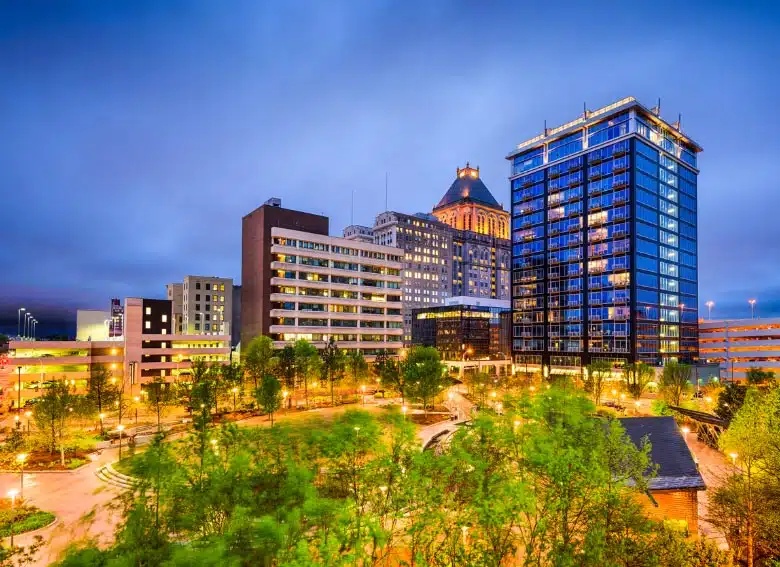
Greensboro, NC

How being hit in Asheboro, NC changes the picture

Collisions involving parked vehicles in Asheboro raise a few issues that look different from a generic accident in a big metro area. First, your claim will usually run through Randolph County law enforcement and courts. The quality of the initial police report from a local agency can shape how insurers view fault, so asking officers on scene to note whether your car was legally parked, whether the striking driver admitted fault, and whether there were security cameras nearby can matter more than people realize. Second, many Asheboro residents commute to other parts of the Piedmont for work. If the crash leaves you without reliable transportation, that can ripple into lost income and childcare problems. When you talk with any lawyer or insurer, be clear about how the loss of the vehicle affects your ability to get to Greensboro, High Point, or other job sites. That context can influence rental coverage decisions, settlement timing, and whether an injury claim is worth pursuing. A Greensboro‑based firm familiar with Piedmont judges and adjusters can help connect what happened on an Asheboro street with how your life is actually impacted across the region.

Business photo
Questions worth asking

Questions Asheboro drivers often ask after a parked‑car crash

Once the dust settles and the car is towed or patched up, new questions usually pop up. These answers address issues that often come up a few days or weeks after a parked vehicle is hit.

Is the moving driver always at fault for hitting a parked car in Asheboro, NC?

The moving driver is usually at fault when they strike a parked vehicle because drivers are expected to keep a proper lookout and maintain control of their cars. However, North Carolina follows a strict contributory negligence rule. If your car was parked illegally or in a way that created a hazard - for example blocking a travel lane, obstructing a driveway, or ignoring no‑parking signs - the at‑fault driver's insurer may argue that you share some blame. Even a small amount of proven negligence on your part can be used to try to deny payment. That is why documenting that your car was properly parked, with photos of markings and signs, is so important in Asheboro cases.

What if I only discovered the damage to my parked car later and did not see who hit it?

If you return to your parked car and find new damage with no driver present, do not assume nothing can be done. Report the incident to Asheboro Police Department or through 911 non‑emergency so there is an official record. Photograph the scene, nearby businesses, and homes that may have exterior cameras, and ask politely whether they will preserve footage from the relevant time. Then notify your insurance company promptly. Depending on your policy, collision or uninsured motorist coverage may help with repairs or a total loss. If you later identify the driver through video, witnesses, or a police investigation, that information can be used to pursue their liability coverage for reimbursement.

Do I still need a lawyer if there were no injuries, just vehicle damage?

Many straightforward property‑only claims after a parked‑car collision can be handled directly with the insurer. If liability is clear, damage is modest, and you are comfortable reviewing estimates and values, you may not need a lawyer. You will mainly be negotiating repair costs, total‑loss value, and possibly rental days. However, if the damage is significant, the vehicle is high‑value, the insurer disputes fault, or you feel pressured to accept a low offer, professional guidance can help. Some people also consult an attorney briefly just to understand their rights and the likely range of outcomes before they continue on their own.

How long do I have to bring a claim after a parked‑car crash in North Carolina?

North Carolina generally gives three years from the date of the crash to file a lawsuit for property damage or personal injury arising from a car accident, including collisions involving parked vehicles. Wrongful death claims follow a shorter, two‑year deadline. Insurance companies often require that claims be reported much sooner under the policy's notice provisions. If you wait too long, important evidence like camera footage, skid marks, and witness memories can disappear, and you could lose leverage or legal rights. If the crash involved more than minor cosmetic damage or you have any symptoms of injury, speaking with an attorney well before those deadlines is usually wise.

What if my parked car was on private property, like an apartment or store lot?

Being on private property does not prevent you from pursuing a claim. Liability and insurance typically work much the same way: the driver who hit your parked car is usually responsible, and their liability insurance is the first place to look. However, the presence or absence of clear parking rules, markings, and lighting can influence how insurers and courts view the circumstances. In some limited situations, questions may arise about whether the property owner shares any responsibility, for example if traffic patterns are confusing or parking spaces are poorly designed. If the crash happened in a private lot in Asheboro and there were unusual conditions, consider collecting extra photos and discussing them with a lawyer if the stakes are high.

Owner or team photo
Your next step

Talk through your Asheboro parked‑car crash with a trial‑tested NC injury firm

If your parked vehicle was hit in Asheboro and you are now dealing with injuries, missed work, or an insurer that is not treating you fairly, you do not have to sort it out alone. Roane Law is a plaintiff‑only personal injury firm based in Greensboro that handles serious crash cases across the Piedmont and North Carolina. The team focuses on injured people and families, not insurance companies. You can: Call (336) 617-6125 to schedule a free consultation, or visit https://www.roane-law.com/contact/ to send a message. An attorney can review how the crash happened, what coverage may apply, and whether it makes sense to pursue more than the basic body‑shop estimate. If Roane Law takes your case, representation is offered on a contingency fee, so attorney fees are only collected if compensation is recovered.