Can I still get compensation if there was no physical contact with the hit-and-run vehicle?
Whether you can recover when there was no actual contact between vehicles depends heavily on the specific language of your uninsured motorist policy and the evidence available. Some policies require physical contact; others allow recovery if there is strong independent proof that another vehicle caused the crash, such as a credible eyewitness, video footage, or clear physical evidence in the roadway. If you swerved to avoid a reckless driver and crashed without impact, your insurer may argue there was no covered "hit-and-run." Because these disputes are often technical, it can be very helpful to have an attorney review the policy, evaluate the available evidence, and advise you on how to present the claim or challenge a denial.
What if I was a passenger in a hit-and-run in Winston-Salem? Whose insurance applies?
If you were a passenger when a hit-and-run driver caused a crash, several different policies may come into play. The vehicle you were riding in may have liability, uninsured motorist, and MedPay coverage that extend to passengers. Your own auto policy, if you have one, might also provide UM or MedPay benefits, even though you were not driving your own car. In some situations, multiple policies may potentially provide coverage, with rules that govern which is primary and which is excess. Sorting out that order of coverage can be confusing, especially when insurers point at one another. A lawyer who regularly handles serious North Carolina car crash claims can help identify all available policies and advocate for you so that you are not left in the middle of an insurance dispute.
What deadlines apply to hit-and-run claims in North Carolina?
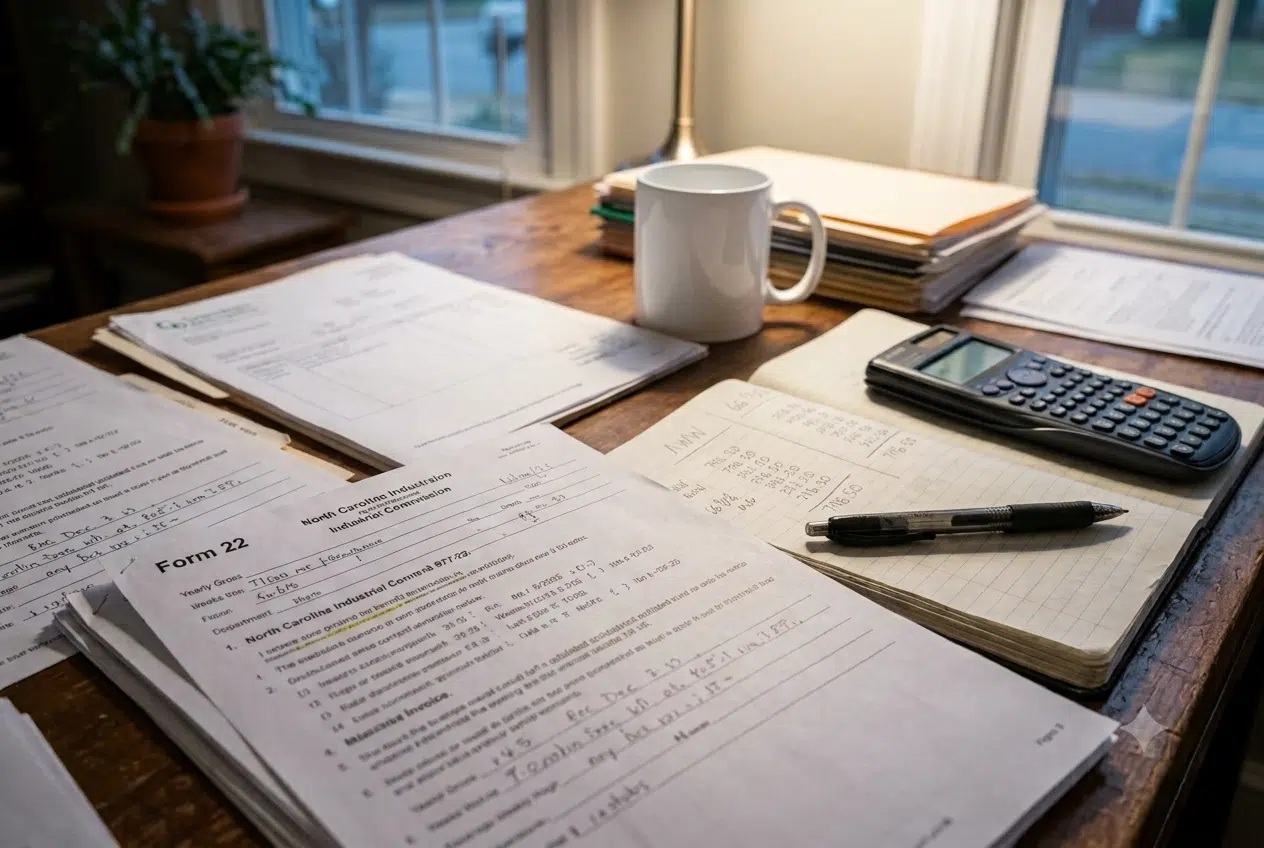
Hit-and-run claims are affected by both policy-based deadlines and state law. Your auto insurance policy will require prompt notice of the accident and cooperation with investigation; missing those internal deadlines can give the insurer arguments for reducing or denying coverage. Separately, North Carolina has statutes of limitation that set deadlines for filing a lawsuit over personal injuries and property damage. If you miss those, your claim can be barred entirely. Because locating the driver, investigating coverage, and negotiating with insurers all take time, it is wise to treat your situation as urgent even if you are still in treatment. An attorney can track both policy and legal deadlines, ensuring that key paperwork is filed before the clock runs out.
Can I recover for pain and suffering after an unidentified hit-and-run?
Yes, in many North Carolina uninsured motorist claims, you may seek compensation for non-economic harms such as pain, suffering, loss of enjoyment of life, and emotional distress, in addition to medical bills and lost income. The fact that the driver is unidentified does not automatically limit your damages to out-of-pocket costs. Instead, your recovery is typically limited by the applicable UM policy limits and the strength of your documented injuries and their impact on your life. Insurers often scrutinize these intangible damages closely, especially when paying under their own policy. Detailed medical records, consistent treatment, statements from family or co-workers, and your own clear description of daily limitations can all play a role in demonstrating what the crash has truly cost you.
What should I do if the hit-and-run driver is later identified?
If law enforcement later identifies the hit-and-run driver, your options may expand. There may now be a liability policy to pursue, and the driver could face criminal charges. However, civil and criminal cases are separate. A criminal conviction does not automatically result in payment of your medical bills, and in some situations the liability limits may still be too low to cover your losses. You should promptly let your attorney and insurers know that the driver has been found so they can investigate available coverage and adjust your claim strategy. In some cases, you may still rely on your UM coverage to fill in gaps if the at-fault driver is underinsured. A lawyer can help restructure the claim to account for the new information while preserving your rights against every responsible party.