Questions worth asking
Questions Greensboro drivers often ask about low total loss offers
People rarely expect to argue over spreadsheets and vehicle valuations right after a crash. These questions and answers tackle concerns that do not fit neatly into the earlier sections, but matter a great deal once your only car has been declared a total loss.
Can I keep my totaled car in North Carolina if I think it is still drivable?
Often, you can choose to retain a totaled vehicle instead of letting the insurance company take it, but that changes how the numbers work. If you keep the car, the insurer usually pays you the determined actual cash value minus the vehicle's salvage value, and the title may be branded in a way that affects future registration, inspections, and resale. Before making this choice, think carefully about safety, potential repair costs, and how a salvage or rebuilt title could limit your options. You may want to discuss the pros and cons with a mechanic you trust and, if you have an injury claim, with an attorney who can see how this decision fits into your overall case strategy.
Does it matter whether it is my insurance company or the other driver's that is paying for the totaled vehicle?
Yes, it can matter. If you are making a claim under your own collision coverage, you are dealing with your insurer under the terms of your contract and may have specific policy procedures for disputes or appraisals. If you are pursuing the at‑fault driver's liability insurer, you are making a claim against their insured, not your own policy, and different negotiation dynamics apply. In either setting, you still need to prove actual cash value, but the timeline, rental car coverage, and leverage points may differ. A Greensboro injury lawyer can help you sort out which policy is in play, how they interact, and whether it makes sense to involve your own carrier while fault is sorted out.
Should I accept a low total loss offer if I urgently need a replacement car?
Needing transportation quickly is very real, especially if you commute across Greensboro or the wider Triad for work or school. However, rushing to accept an offer that is far below what it would cost to replace your vehicle can create longer-term financial strain. One approach is to do an initial round of negotiations using readily available evidence,local listings, correction of obvious valuation errors,before you sign anything, even if that takes a few more days. If an injury claim is ongoing, a lawyer may be able to negotiate both the property damage and bodily injury components together, which can sometimes bring more flexibility. Balancing immediate needs against long‑term fairness is hard; talking through your situation with counsel can help you avoid decisions driven solely by short‑term pressure.
What if I already signed some insurance forms about the total loss?
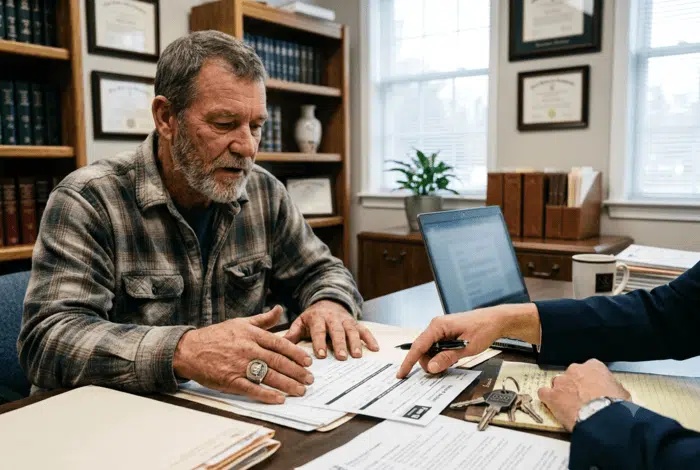
Signing paperwork does not automatically mean you have no options, but it can limit them. Some forms simply acknowledge that the vehicle is a total loss or authorize the insurer to move it from a storage lot, while others release your right to seek more money for property damage. If you still have copies, review exactly what you signed. If you do not, request your claim file from the insurer. In North Carolina, it is usually much easier to negotiate before a full release is signed. If you are unsure what a document means or whether it closes your claim entirely, take it to a personal injury lawyer for a detailed review before endorsing any settlement checks or signing additional forms.
How does my totaled car claim interact with my injury claim from the same crash?
Your totaled vehicle and your physical injuries come from the same event, but insurers sometimes try to handle them as if they were unrelated. Property damage claims, including total loss disputes, often move faster, while injury claims take time as you receive treatment and your doctors better understand your prognosis. Many people settle the vehicle portion earlier so they can get back on the road. That can be appropriate, but you should be careful not to sign a global release that waives your right to pursue bodily injury compensation. When you work with a firm like Roane Law, the attorneys can track both sides of the claim, watch for confusing or overbroad paperwork, and make sure decisions about your car do not unintentionally undercut your ability to recover for medical bills, lost income, and long‑term harm.